
Mini Split Installation in Minnesota
Homes in Minnesota run cooling for fewer months of the year than in 34 of the other 49 states.
Tell us about the job
Takes about a minute. No obligation.
- 79°Fsummer afternoon high where people live
- 2 monthsof cooling, July through August
- 8°Fwinter overnight low where people live
- 9 monthsof heat, September through May
Summers here barely test a mini split Just two months of cooling, July and August
- Southern counties need about 25% more cooling than northern ones
- Summer afternoons average 79°F where people live
- Winter nights average 8°F where people live
- Cooling runs July through August
- 4,385 damaging wind events from 2015 to 2024
- 13% of homes lost power a day or more in 2024
Gas heats 65.1% of homes in Minnesota, more than any other fuel. A mini split works differently. It doesn't burn anything, and most systems installed here work as a second source, running alongside the furnace rather than replacing it on the coldest days.
Electricity heats 19.4% of homes here, and LP gas another 10.8%. If your home runs on one of those, a mini split can take over more of the job, since there's no gas line already doing the work of keeping rooms warm.
Install before July, not during it
Cooling runs two months here, July and August, so June is the month to get a mini split installed. A unit put in before the heat arrives gets tested while the house isn't depending on it yet, and there's time to sort out any adjustment before the first hot stretch. Wait until July and an installer is fitting the job in around every other homeowner who waited too.
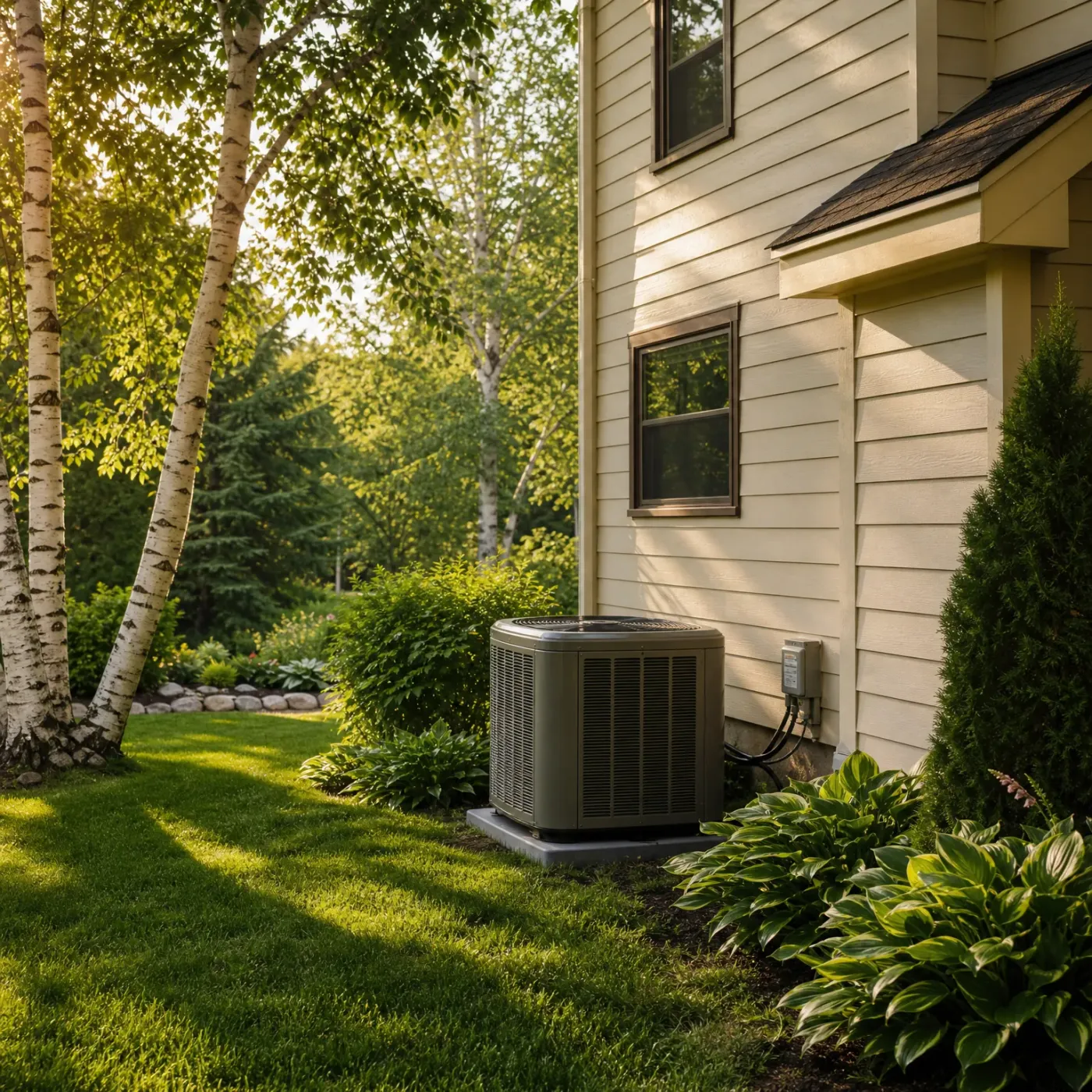
2 months of cooling, July through August
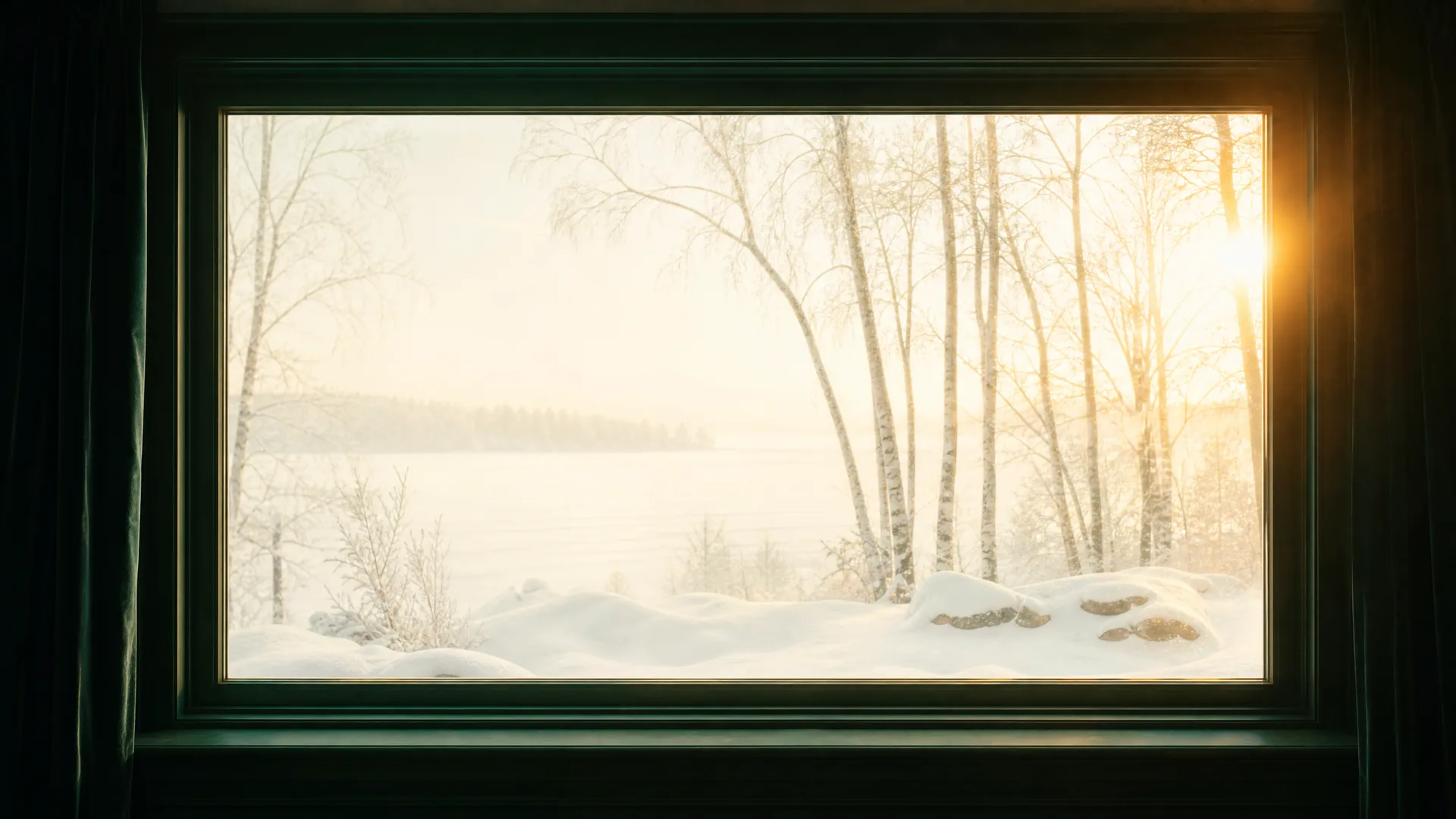
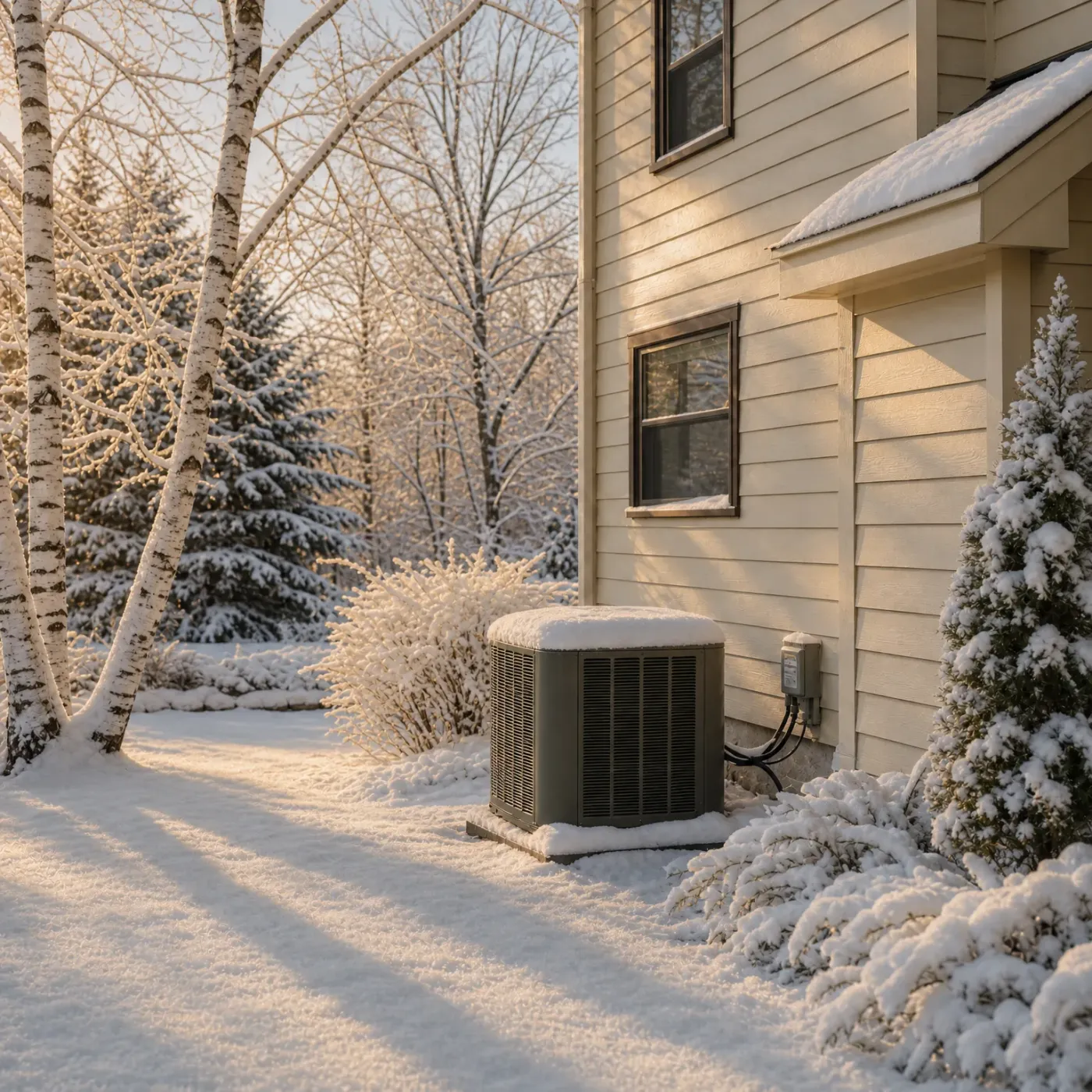
9 months of heat, September through May
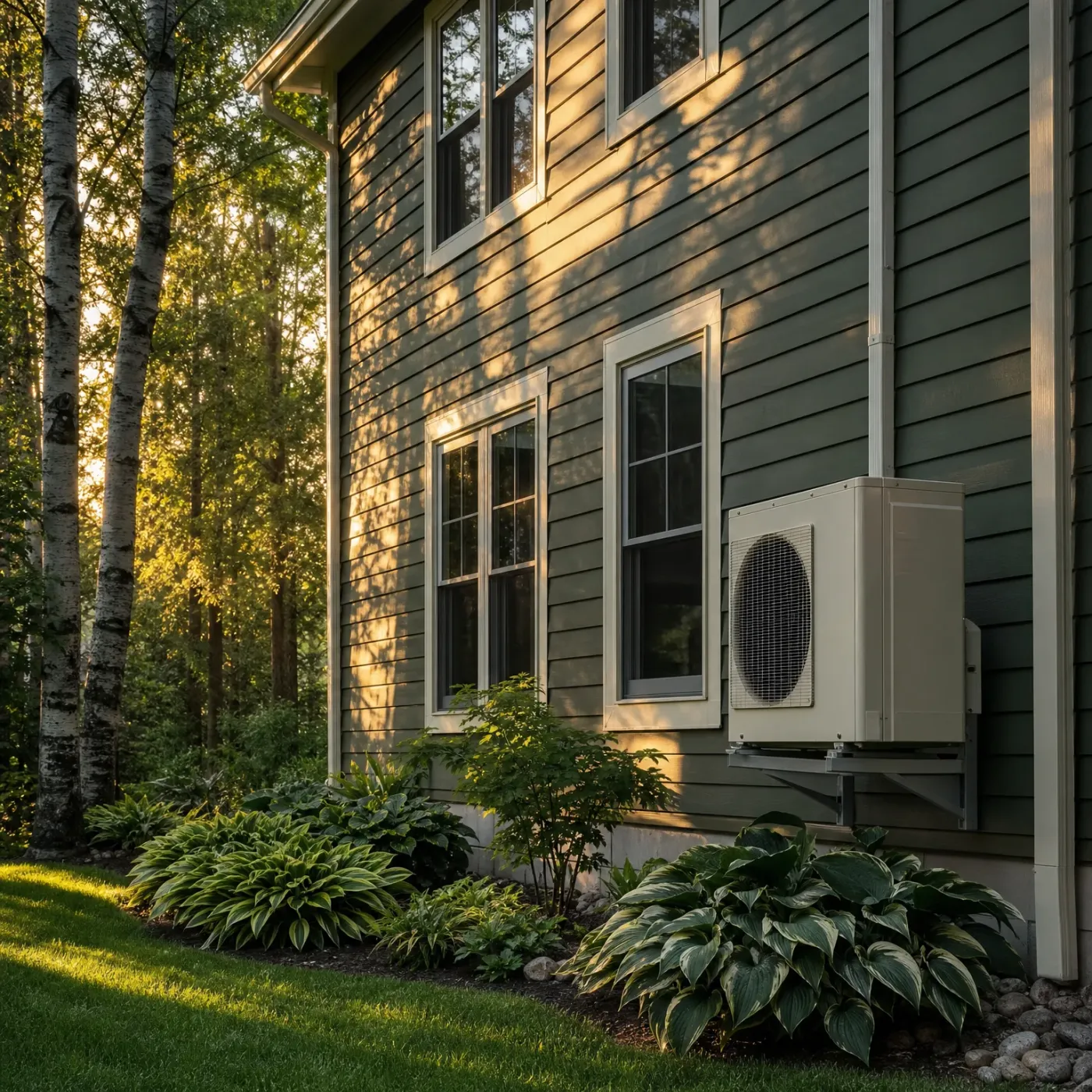
Cooling demand isn't even across Minnesota. Homes in the southern counties need about 25% more cooling over a year than homes in the northern counties, so a mini split sized for a house in the south is doing more work than the same unit up north.
Redwood County sees the hottest summer afternoons in the state, averaging 81°F through June, July and August. Cook County sees the mildest, at 72°F. A mini split in Redwood County is working against a hotter afternoon, on average, than one anywhere else in the state.
Hennepin County runs cooling about three months a year, the longest stretch in Minnesota. St. Louis County runs close to none. Two homes in the state can need very different amounts of work from the same system, depending on which county they sit in.
Statewide, cooling runs about two months a year, July and August. That's a shorter stretch than most other states get, and summer afternoons here run milder too. Minnesota isn't asking a mini split to do what it would have to do further south.
Hail is a separate concern from heat. Minnesota recorded 3,941 hail events between 2015 and 2024, more than nearly every other state logs. An outdoor unit here gets sited with that in mind, whichever county it's in.
What does a mini split in Minnesota face?
How hot do summer afternoons get?
79°Faverage afternoon high where people live
Alaska66°F
Arizona101°F
How cold do winter nights get?
8°Faverage overnight low where people live
North Dakota4°F
Hawaii65°F
How many months does the cooling run?
2 monthsof cooling a year
Alaska0 months
Hawaii12 months
What does electricity cost?
15.45¢per kWh (kilowatt hours, the unit on an electric bill), what homes paid in 2024
North Dakota11.51¢
Hawaii42.86¢
How often do storms hit?
216severe weather events per county from 2015 to 2024
Alaska5
Wyoming1,057
How many homes lost power for a day or more?
13%of homes in 2024
Arizona7%
Maine54%
Power costs more here, so the install has to earn it
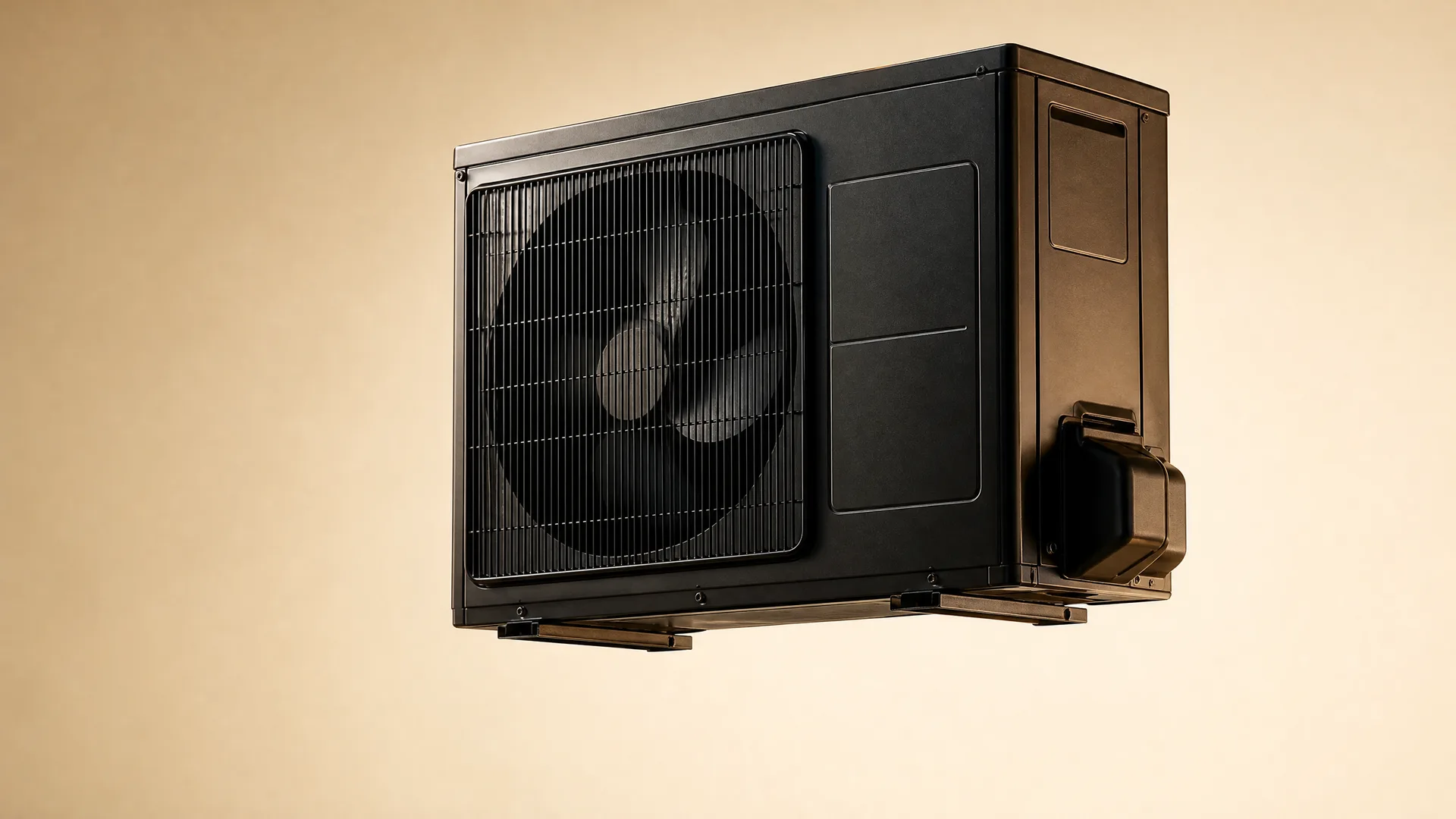
Electricity here runs 15.45 cents a kilowatt-hour, more than what homes pay in most other states. Mini splits still cost less to run than straight electric baseboard heat, but the payback on the most efficient model takes longer when power isn't cheap to begin with. That changes what's worth paying for. A unit sized right for the room and installed with a clean line set and a properly charged line matters more here than chasing the highest efficiency number on the shelf. Get the sizing and the installation right and the system earns its keep either way.
What the installation actually involves
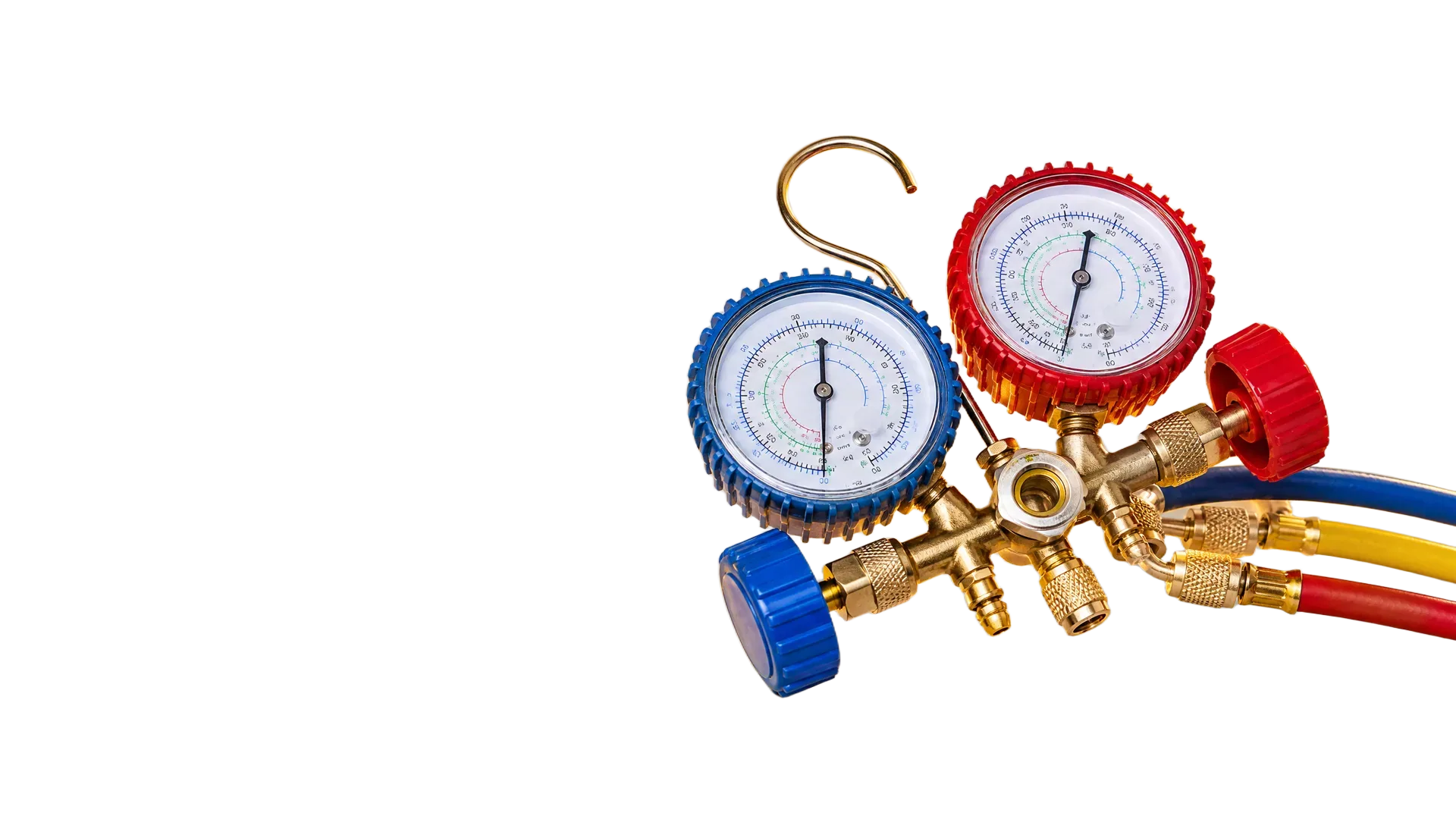
What you're paying for is mostly labor, not the boxes on the wall. The line set runs refrigerant lines, power wire and a condensate drain from the outdoor unit to the indoor head, through an exterior wall, insulated along the way, with no kink or sharp bend that would restrict flow. A short, straight run through one wall is a different job than one that has to climb through an attic or cross a long exterior. The outdoor unit needs a pad or bracket that keeps it level and off the ground, clear of where snow piles up or water pools. The indoor head needs a wall stud or framing that can hold its weight, with clearance around it for air to pull in and push out. Add a second indoor head and you add a second line set, a second mounting job, and another connection that has to be charged and tested. That's why a multi-zone system costs more than a single room, not because the equipment is bigger but because the labor multiplies. None of it works without a correct refrigerant charge, and getting that number right takes a gauge set, not a guess.
An older house, a standard job
Half the homes in Minnesota were built in 1979 or earlier. An older house wasn't built with a line set run in mind, so the installer works out the cleanest path through a wall that was never meant for one, same as they would anywhere else. Nothing about the size of the job changes because of that. Most of the state's housing stock is detached or attached single-family homes, the kind of structure a standard single or multi-zone system is built for. Minnesota's housing is older than what you'd find in most other states, but age by itself doesn't call for bigger equipment or a different approach, just a careful one.
Gas heats most homes in Minnesota, so a mini split usually joins the furnace, not replaces it.
Tell us about the job
Takes about a minute. No obligation.
Fill out the form and hear from installers who size the unit and quote the labor your walls need.