
Heat Pump Repair in Minnesota
Electricity costs homes more in Minnesota than in 31 of the other 49 states.
Tell us about the job
Takes about a minute. No obligation.
- 8°Fwinter overnight low where people live
- 9 monthsof heat, September through May
- 79°Fsummer afternoon high where people live
- 2 monthsof cooling, July through August
Nine months of heat wears a heat pump down. Cold nights make it work even harder.
- Coldest nights in Lake of the Woods County, mildest in Houston County
- Winter nights average 8°F where people live
- Summer afternoons average 79°F where people live
- Heat runs September through May
- Cooling runs July through August
- 3,434 winter storms from 2015 to 2024


Half of Minnesota's homes were built in 1979 or earlier

August is when problems tend to surface. The heat pump has sat through two months of cooling and is about to switch over for nine months of heat, and a weak capacitor or a failing contactor that limped through summer often won't make it through that switch.
Minnesota asks nine months of heating from a heat pump, more than in most states. A unit that struggles once the temperature drops hard is usually showing a problem that started earlier in the season, not something new. Waiting through the first cold nights tends to turn a small repair into a bigger one.
Nine months of heating, two of cooling
A heat pump here spends nine months moving heat into the house and two moving it out. That split is what the repair usually comes down to. The defrost cycle, the reversing valve, the outdoor coil, these carry the heating load for most of the year, and they're what tends to show wear when the system starts struggling. Overnight lows averaging 8°F through December, January and February mean the unit is pulling heat from air that's already cold, which is harder on it than cooling a house in July. If something's off, it's worth having someone look at the parts that carry the winter load first.
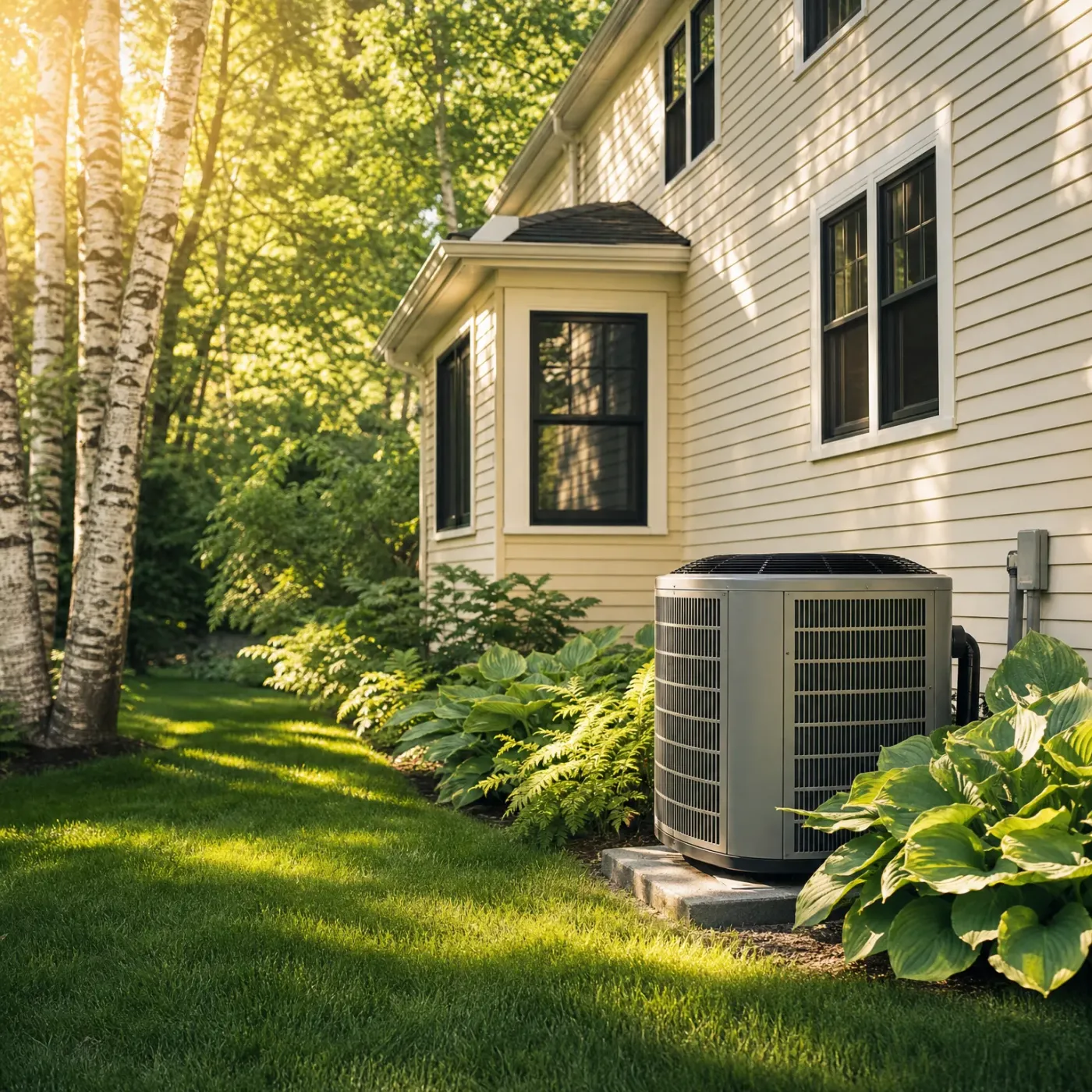
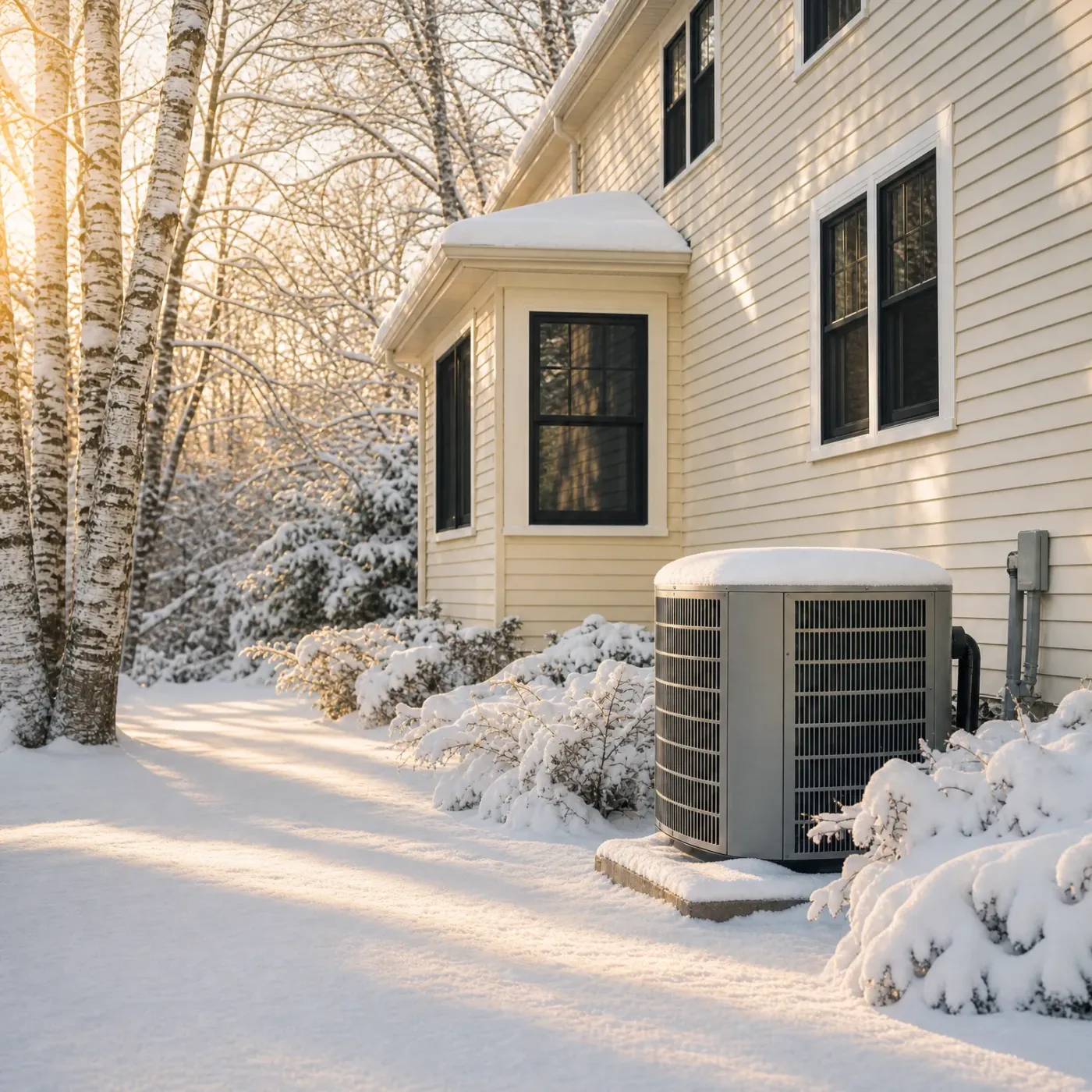
2 months of cooling, July through August
9 months of heat, September through May
What does a heat pump in Minnesota face?
How hot do summer afternoons get?
79°Faverage afternoon high where people live
Alaska66°F
Arizona101°F
How cold do winter nights get?
8°Faverage overnight low where people live
North Dakota4°F
Hawaii65°F
How many months does the heat run?
9 monthsof heating a year
Hawaii0 months
Alaska12 months
What does electricity cost?
15.45¢per kWh (kilowatt hours, the unit on an electric bill), what homes paid in 2024
North Dakota11.51¢
Hawaii42.86¢
How often do storms hit?
216severe weather events per county from 2015 to 2024
Alaska5
Wyoming1,057
How many homes lost power for a day or more?
13%of homes in 2024
Arizona7%
Maine54%
A struggling heat pump costs more to run here
A heat pump that's low on refrigerant or losing capacitor strength doesn't just heat poorly, it pulls more power trying to keep up. Minnesota homes paid 15.45 cents per kilowatthour in 2024, more than in 31 other states, and a struggling unit cycling too often or running constantly spends more of those cents than it should. The longer that goes on before someone looks at it, the more the heating bill shows it.
Repair or replace, what actually decides it
A heat pump moves heat instead of making it, and that's what makes the repair call different from a furnace. When it stops heating well, the reversing valve is one of the first things worth checking. It's what switches the system between heating and cooling, and when it sticks, the unit can blow cold air even though everything else runs fine. Frost on the outdoor coil is normal in winter. The defrost cycle clears it by briefly reversing and running heat outside for a few minutes. If that cycle isn't kicking in, ice builds up and blocks airflow across the coil. A unit low on refrigerant won't just run weaker, it runs longer trying to reach the same temperature, and that extra runtime is often what pushes a worn capacitor or contactor past the point of limping along. None of these are reasons to replace a heat pump on their own. What tips the decision toward replacement is usually the compressor. It's the most expensive part in the system, and when it's failing, the cost of fixing it starts to compete with the cost of a new unit.
What a tech actually checks
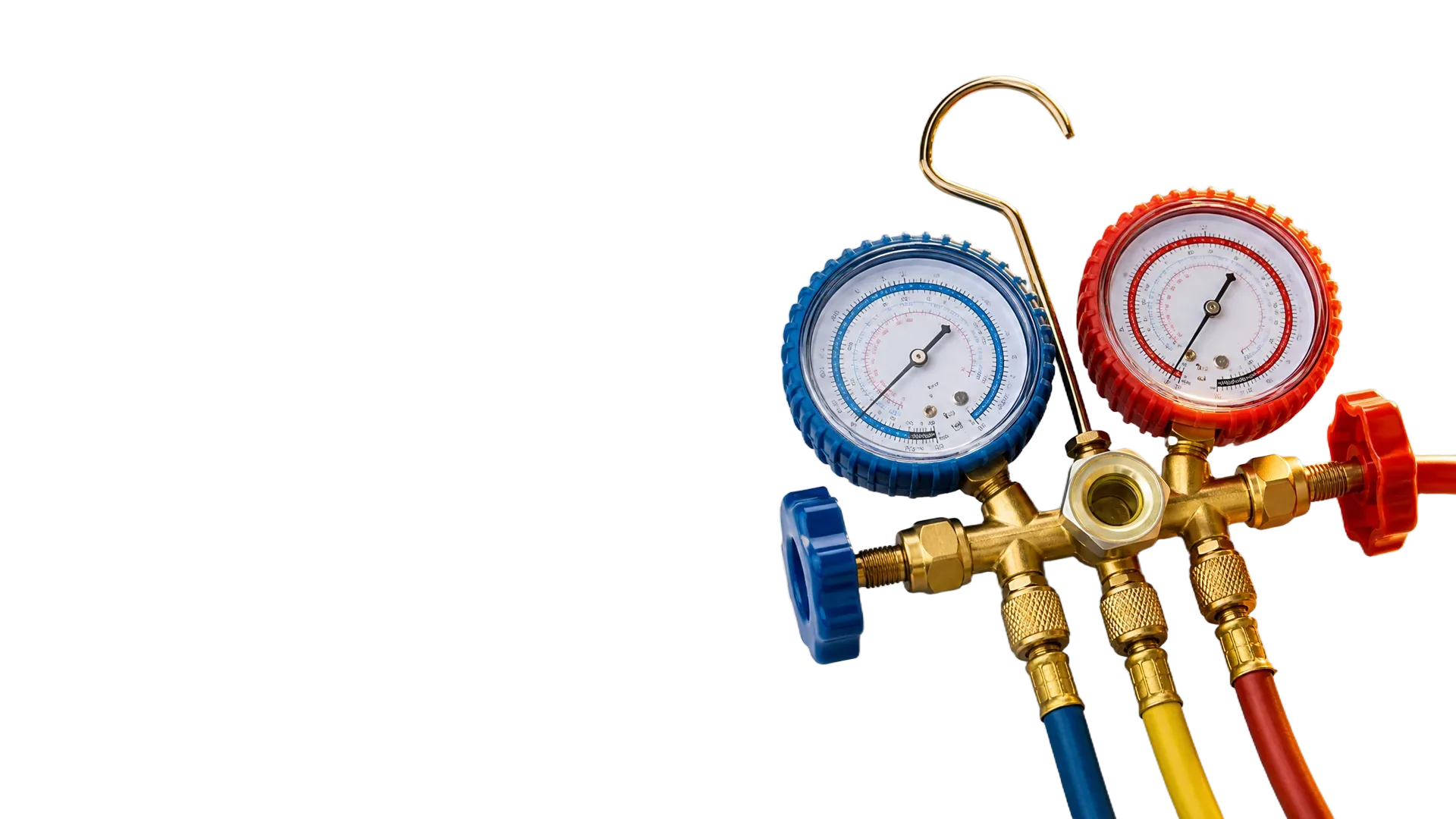
A diagnostic starts outside, at the unit itself. The tech looks at the coil for frost patterns, listens to how the compressor sounds on startup, and checks whether the fan and compressor are running together the way they should. Gauges go on next to read refrigerant pressure, since too little and too much each point toward a different problem. Inside, the tech checks the thermostat call against what the system actually does. A heat pump that isn't responding to a call for heat sometimes has nothing wrong with the outdoor unit at all. Electrical readings come next. Voltage at the contactor, capacitor strength, amp draw on the compressor. The tech is comparing what they measure against what that model is supposed to show, not guessing from the sound it makes. By the end, the goal is a specific part named as the cause, not a general sense that something's off.
Nine months of heating a year in Minnesota means a heat pump problem rarely fixes itself by spring.
Tell us about the job
Takes about a minute. No obligation.
Fill out the form and a licensed contractor who works on heat pumps gets in touch to schedule a look.