
AC Installation in Minnesota
Homes in Minnesota run cooling for fewer months of the year than in 34 of the other 49 states.
Tell us about the job
Takes about a minute. No obligation.
- 79°Fsummer afternoon high where people live
- 2 monthsof cooling, July through August
- 15.45¢ per kWhwhat homes paid for power in 2024 (kWh means kilowatt hours, the unit on an electric bill)
- 3,941hail events from 2015 to 2024
Electricity here is cheaper than most A high SEER2 (seasonal energy efficiency ratio under the 2023 test, an AC's cooling efficiency over a season) unit pays back slower
- Southern counties need about 25% more cooling than northern ones
- Summer afternoons average 79°F where people live
- Cooling runs July through August
- 3,941 hail events from 2015 to 2024
- 4,385 damaging wind events from 2015 to 2024
- 13% of homes lost power a day or more in 2024


Utility gas heats 65.1% of homes in Minnesota, more than any other fuel. Electricity is next at 19.4%, and most of the rest run on bottled or LP gas.
A central air system pairs with the furnace already moving air through the house, whatever fuel that furnace burns. If your home has ductwork in place for a gas furnace, that same ductwork carries the cold air, so adding AC means tying into what is already there rather than starting over.
Install before summer, not during it
AC here only runs July and August. Install before June ends and the system is ready when the heat actually shows up, with no pressure to rush a decision or wait on a part. Wait until a hot week forces the issue and you are choosing from whatever is in stock, on whatever day a contractor can get to you. Minnesota needs cooling for fewer months than most of the country, so there is less urgency to get it running fast once it is in. That makes the slow season, late winter and spring, a better time to plan the install than the two months the system actually works.
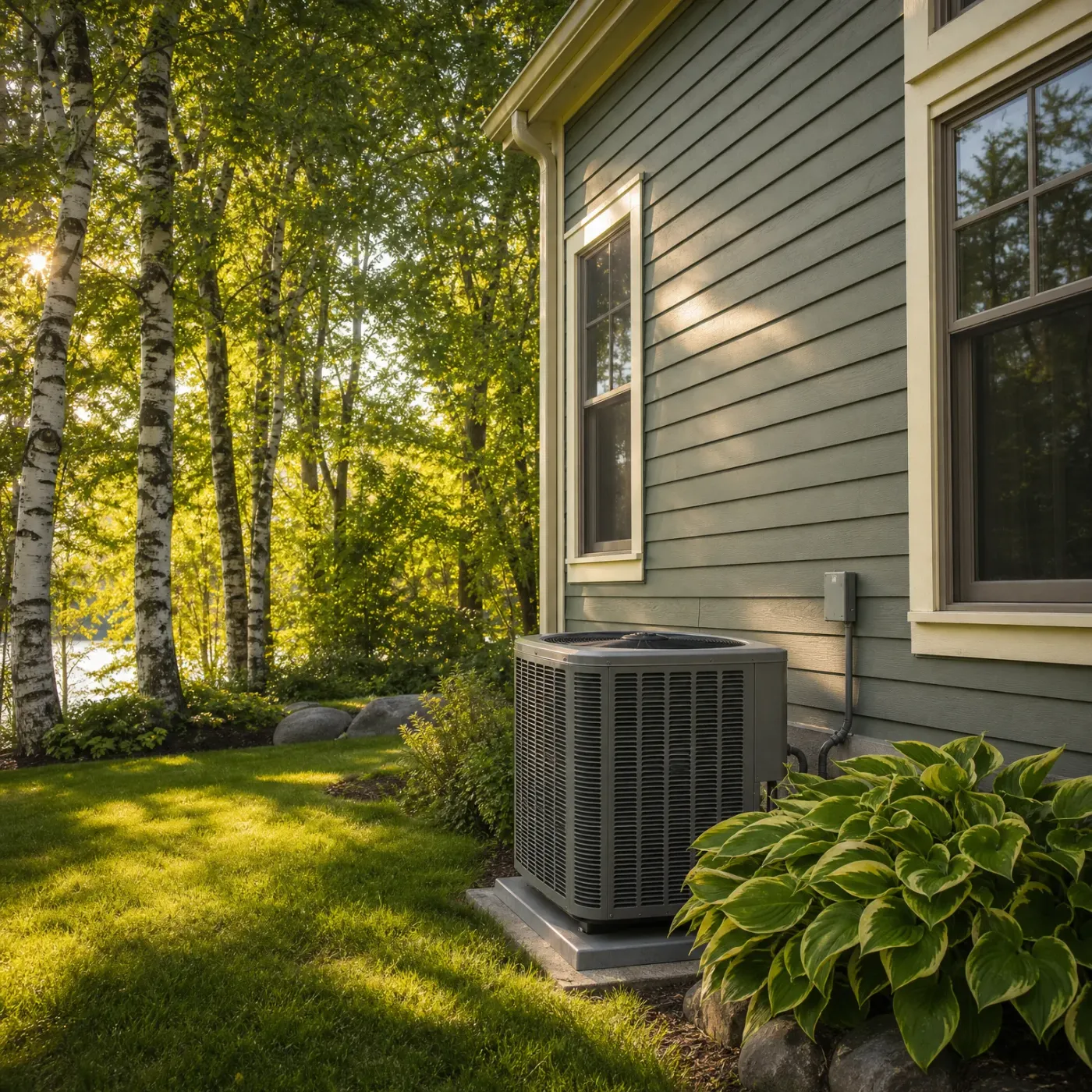
2 months of cooling, July through August
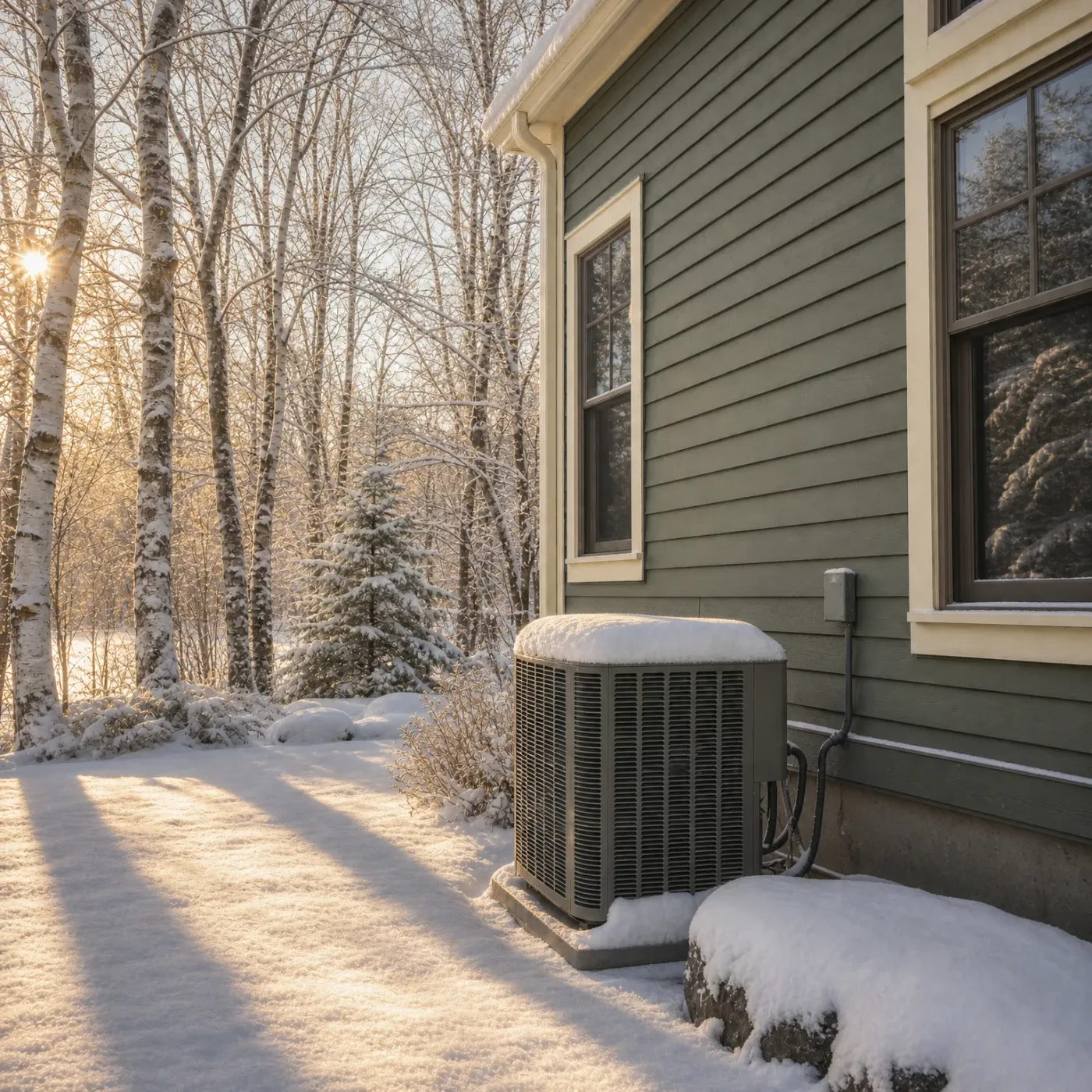
9 months of heat, September through May
Minnesota is not one climate when it comes to cooling. Homes across the southern counties need about 25% more cooling over a year than homes across the northern counties, and that gap should factor into how a system gets sized.
Redwood County sees the hottest summer afternoons in the state, averaging 81°F across June, July and August. Cook County sees the mildest, at 72°F. A system sized for one would be wrong for the other.
Hennepin County runs cooling about three months a year, longer than anywhere else in the state. St. Louis County runs it hardly at all. Where your county falls between those two tells you more than a statewide average does.
Minnesota runs cooling for fewer months than most of the country, and summer afternoons here run cooler than in most other states too. That shows up in how hard the system has to work, not just how long it runs.
Hail is part of the picture as well. Minnesota recorded 3,941 hail events between 2015 and 2024, more than nearly every other state. Whatever sits outside, the condenser included, has to hold up to that.
What does an AC in Minnesota face?
How hot do summer afternoons get?
79°Faverage afternoon high where people live
Alaska66°F
Arizona101°F
How many months does the cooling run?
2 monthsof cooling a year
Alaska0 months
Hawaii12 months
What does electricity cost?
15.45¢per kWh, what homes paid in 2024
North Dakota11.51¢
Hawaii42.86¢
How often do storms hit?
216severe weather events per county from 2015 to 2024
Alaska5
Wyoming1,057
How many homes lost power for a day or more?
13%of homes in 2024
Arizona7%
Maine54%
A light summer load
Two months of real work a year, July and August, with afternoons averaging 79°F. That is not much strain. A condenser here will not run the hours it would somewhere summer lasts most of the year, so the parts holding up are the parts holding up everywhere, the capacitor, the contactor, the coil, just less often. You don't need the highest SEER2 rating on the shelf to get a system that does the job and lasts. Put that money into the install instead, correct refrigerant charge, a condenser pad set level, line sets sized right. A mid-range unit put in well will outlast a high-end unit put in carelessly, and here, where the system gets an easy summer, that matters more than the number on the sticker.
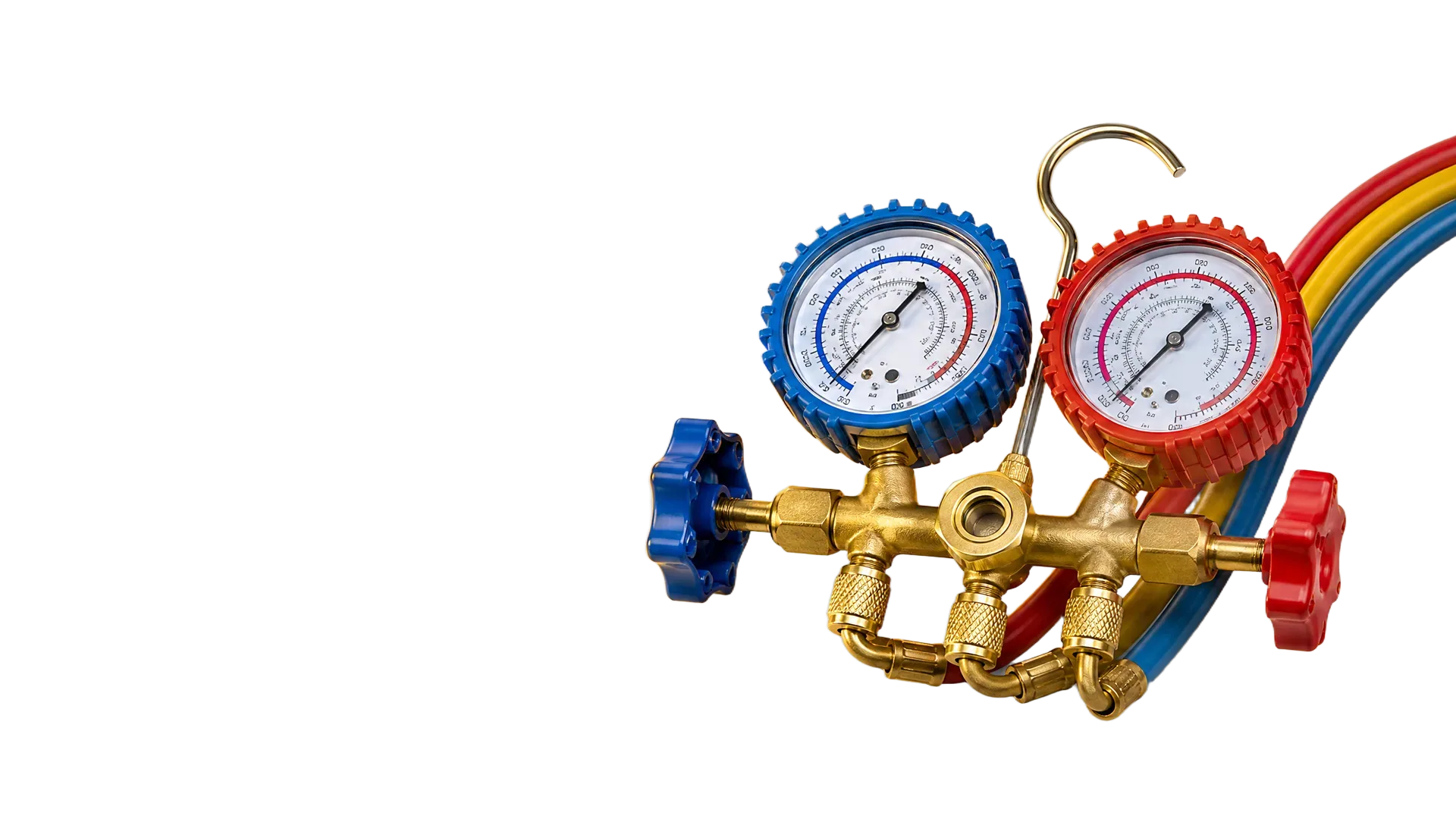
Sizing is a calculation, not a guess
Sizing an air conditioner is not about matching the biggest unit to the house. It is working out how much heat the house gains on a hot afternoon, through the walls, the roof, the windows, the people and appliances inside, and building a system that can pull that heat out at the same rate it comes in. A contractor works this out room by room, adding up window area, insulation, ceiling height, which way the house faces, before landing on a number. Go too big and the unit cools the air fast but shuts off before it pulls the moisture out, so the house feels cold and clammy at once. It also cycles on and off more, and every start and stop puts wear on the compressor. Go too small and it runs constantly on the hottest days and still cannot keep up. The right size runs long steady cycles, pulls the humidity down along with the temperature, and settles into a rhythm that does not strain any one part.
What the rating actually measures
The SEER2 number on the label is a ratio, cooling output measured against the electricity it takes to produce it, tested under set lab conditions. A higher number means the unit moves more heat out of the house for each unit of power it draws, so it costs less to run over a season. It says nothing about how big the system is or how cold it can get a room. A unit with the same rating as another can still cool differently depending on how well the ductwork moves air through the house and how correctly the refrigerant gets charged at install. The lab conditions behind the number are steadier than anything a real house sees, so the rating tells you how the equipment performs on paper, not what shows up on a power bill. A lower-rated unit installed well, charged correctly, and sized to the house will often run cheaper and last longer than a high-rated unit put in carelessly.
Most homes here heat with gas, and the AC installed alongside it should match the house, not just the furnace.
Tell us about the job
Takes about a minute. No obligation.
Fill out the form once and a contractor licensed in Minnesota follows up to size and quote the install.