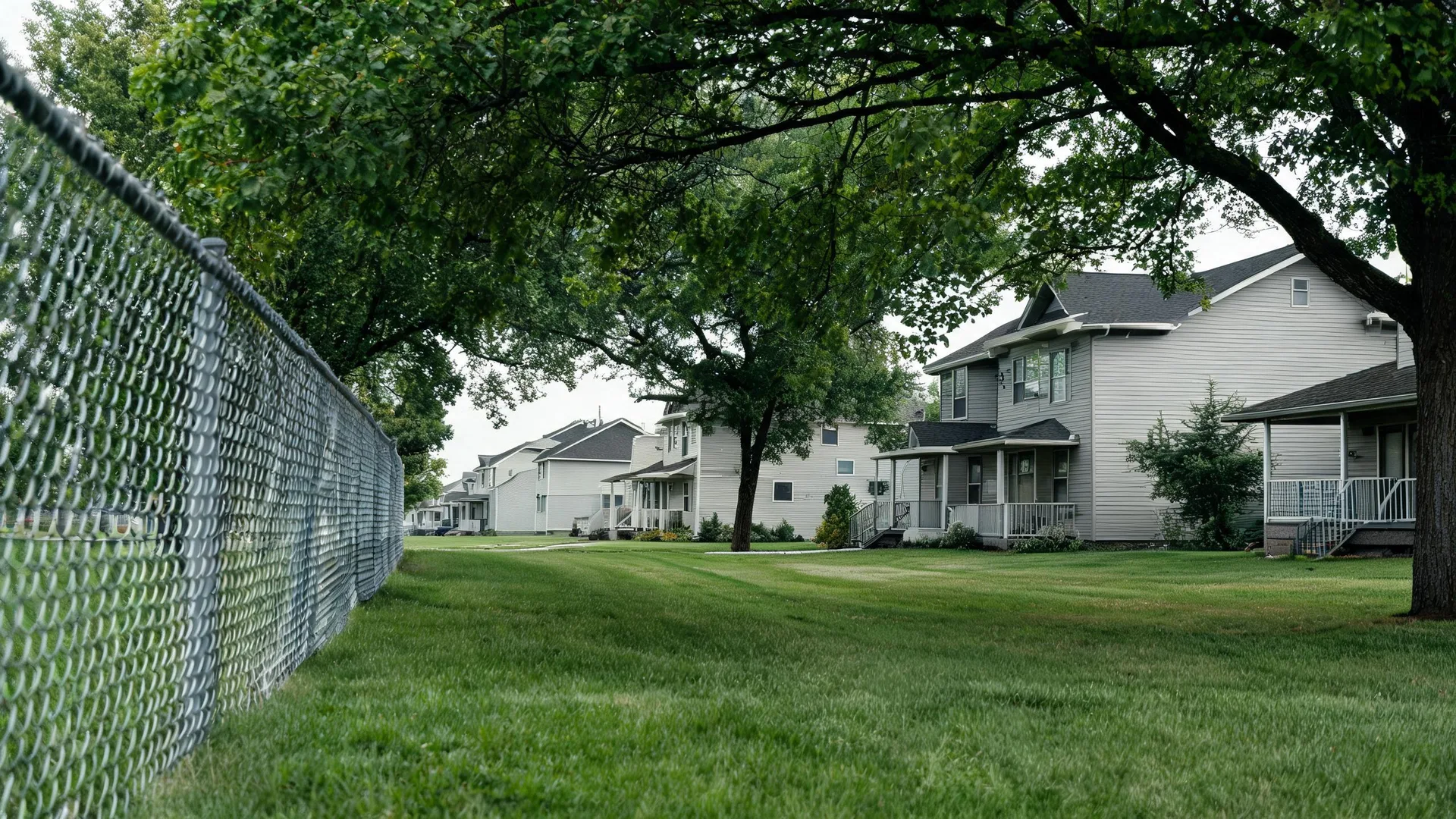






A chain-link fence runs along the left edge of a mowed grass lawn beside a row of light gray two-story houses with porches, shaded by large leafy trees.

AC Installation in Fergus Falls, MN

Tell us about the job

Takes about a minute. No obligation.

New system or replacementCentral ACOtter Tail County, MN
Step 1 of 2

What ZIP code is the job in?

No one fuel runs away with it in Otter Tail County. Utility gas heats 32.1% of homes, LP gas another 29.4%, and electricity 27.0%. That split matters for AC installation because the furnace or air handler already in place sets what the new system has to match. A gas furnace usually pairs with a separate air conditioning condenser outside, sharing the same ductwork and indoor coil. A home on electric heat may already run a heat pump, which handles both heating and cooling in one system. Worth checking which setup you have before comparing quotes, since it changes what installation actually involves.

2 months
July through August, your air conditioner is on duty
78°F
the average summer afternoon it cools against
125 hail events
in ten years, and hail bends the fins on outdoor coils
13.4 SEER2
the federal minimum any new unit must meet
Isometric line illustration of a cutaway house showing interior rooms with furniture, ceiling ductwork, an indoor air handler, and an outdoor condenser unit connected by lines.
Your air conditioner works hardest from July through August.

NOAA nClimDiv, 1991–2020 normals

A standard-sized system is built to cool a home like yours in Fergus Falls.

There's no reason to pay for extra capacity or a higher efficiency rating than this house needs.

Two months of real cooling is what this system is built for

Cooling runs July through August
Summer afternoons average 78°F
157 damaging wind events from 2015 to 2024

Cooling here only runs July through August, so June is the month to get a new system installed, not July. Put it in before the first hot stretch and it's already running and adjusted by the time you need it. Wait until the heat arrives and the installer is booked with everyone else who waited too, right when your two months of cooling are starting. June also means the work happens without a houseful of people already uncomfortable, which gives the installer room to get the ductwork and sizing right the first time.

Any new system here starts at 13.4 SEER2

Otter Tail County falls under zone 6A, and any split-system air conditioner installed here now has to meet 13.4 SEER2 at minimum. That floor is set by federal rule, not by preference, so it narrows what an installer can offer you from the start. A federal tax credit is available for qualifying high-efficiency equipment, worth asking about when you compare quotes.

Find a contractor
A man in a cap, dusty work shirt and tan trousers walks up front steps toward a dark green panelled door, carrying a canvas tool bag with hand tools, beside a potted shrub.
An outdoor air conditioning condenser unit mounted on a concrete pad surrounded by gravel, photographed against a partly cloudy blue sky.

The number on the label only holds if everything around it is sized right

The SEER2 number on the label tells you how much cooling the system delivers for the power it uses over a full season, not just at one moment. A higher number means the compressor and fan are doing the same job for less electricity, season after season. That rating only holds up if the system was sized and installed correctly. An oversized condenser will hit its rated efficiency on paper but short cycle in the house, switching on and off before it finishes pulling moisture out of the air, and it'll wear out the compressor faster doing it. Airflow matters just as much. A coil that's dirty or ductwork that's too restrictive makes the system work harder than its rating assumes, so the efficiency printed on the label stops matching what you actually get. The rating is a ceiling for how well the equipment can perform, not a guarantee of what it will do in your house.

Bigger isn't better

An oversized condenser cools the air fast and shuts off before it pulls the moisture out, so the house feels clammy even at the temperature you set. It also starts and stops more often than it should, and every start puts wear on the compressor. The system sized to match the house, not the one with the biggest number, is the one that keeps the air dry and lasts.

The load calculation does the work

An installer works out the right size with a load calculation, not by copying the size of the unit being replaced. It accounts for the square footage, the windows, the insulation, and how much shade the house gets, then arrives at a cooling load specific to that house. That's what it takes to land on the standard size this house actually needs, not a guess that happens to run big because bigger feels safer.

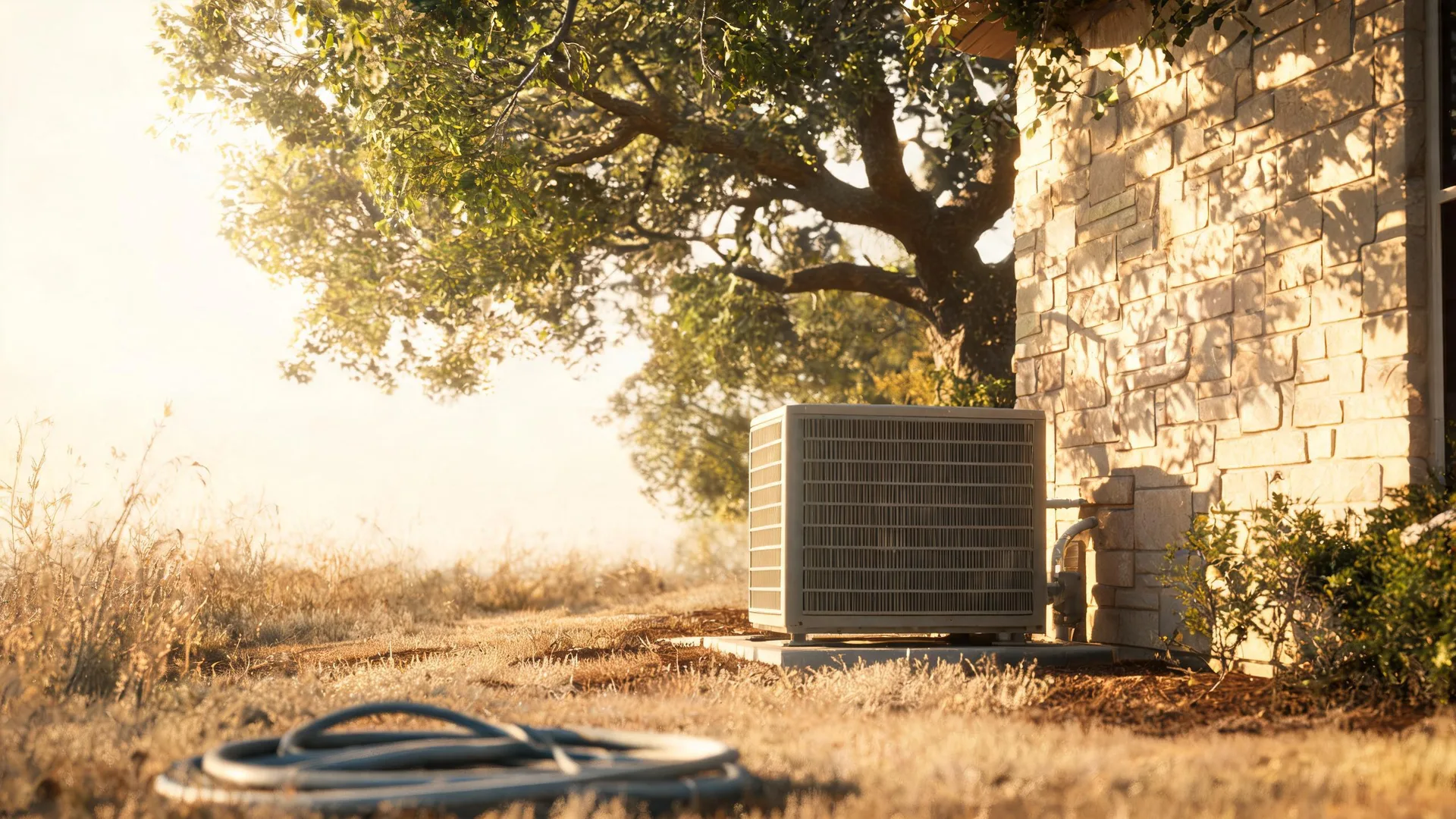
Aerial view of a residential air conditioning condenser unit mounted on a concrete pad next to a house with vinyl siding and a sliding glass door.

Going above the federal minimum saves little here, about $10 a year.

  • A higher-efficiency unit$100 a year
  • A new unit at the federal minimum, 13.4 SEER2$110 a year

Estimates for a typical Otter Tail County home, from EIA household energy data, Minnesota fuel prices and NOAA climate normals. Your home will differ.

Installation day starts with the old equipment coming out. The refrigerant in the old system gets recovered, never vented into the air. The line set gets checked too, since debris or old oil residue left in there can contaminate a new compressor. Most of the day goes to things you won't see once the cabinet is buttoned up. The new coil gets set in the plenum. The installer confirms the line set is sized for the new equipment rather than just reusing what was already run. Then comes the vacuum, pulling the lines down to clear out moisture and air before any refrigerant goes in. Skip that step and moisture sits in the system, causing problems months later instead of that day. Once the condenser is set outside and wired in, the installer charges it to the exact weight the manufacturer specifies. Then it runs, and the installer checks the temperature of the air going into the system against the air coming out. That split is what tells them the system is actually moving heat, not just turning on.