
AC Repair in Minnesota
Homes in Minnesota run cooling for fewer months of the year than in 34 of the other 49 states.
Tell us about the job
Takes about a minute. No obligation.
- 79°Fsummer afternoon high where people live
- 2 monthsof cooling, July through August
- 15.45¢ per kWhwhat homes paid for power in 2024 (kWh means kilowatt hours, the unit on an electric bill)
- 3,941hail events from 2015 to 2024
Minnesota summers don't push an AC hard Two mild months, most years
- Southern counties need about 25% more cooling than northern ones
- Summer afternoons average 79°F where people live
- Cooling runs July through August
- 3,941 hail events from 2015 to 2024
- 4,385 damaging wind events from 2015 to 2024
- 13% of homes lost power a day or more in 2024


An older house here is just an older house
Half the houses in Minnesota were built in 1979 or earlier, and most of the homes here are the standalone single-family kind. That doesn't point to anything particular going wrong with an AC system. Older houses run older equipment, and older equipment wears the way all AC equipment wears, a capacitor goes, a contactor gets pitted, the refrigerant charge drops low. Nothing about a Minnesota house asks more of the unit outside it. If your system is original to the house, that's worth knowing, but it's not a reason to guess at the problem instead of finding it.

July is when most AC complaints come in here. The unit has sat idle since August, and the first real hot stretch asks it to run longer than it has in months. A capacitor that was marginal going into fall often won't make it through that first week in July.
Cooling only runs about two months a year in Minnesota, July through August. That short season is exactly why a weak part can sit unnoticed until the first hot day finds it. The fix is the same one it would be anywhere. Find what actually failed. Don't assume the system is worn out from a hard summer it never had.
A mild summer here, but hail is its own question
Afternoon highs here average 79°F across June, July and August, cooler than 40 of the other 49 states. The compressor outside isn't working against the kind of heat that wears one down fast. Hail is a separate question. Minnesota sees more of it than most states, and hail goes after the condenser fins and the cabinet, not the parts that make a system stop cooling. So if the airflow is weak or the charge is low, look for what actually failed rather than blaming the summer. A mild climate doesn't rule out a bent coil fin or a tired capacitor. It just means the heat alone probably isn't what did it.
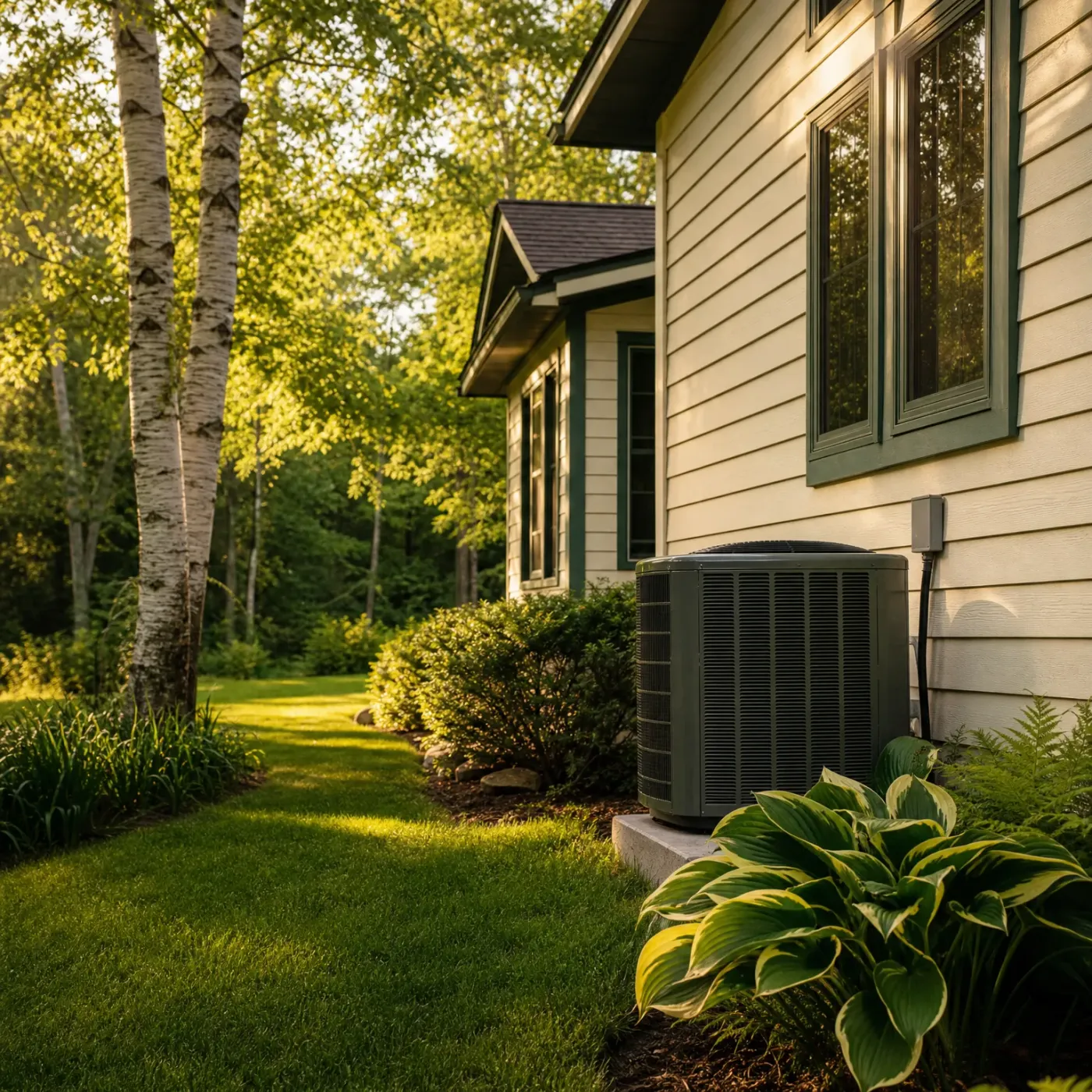
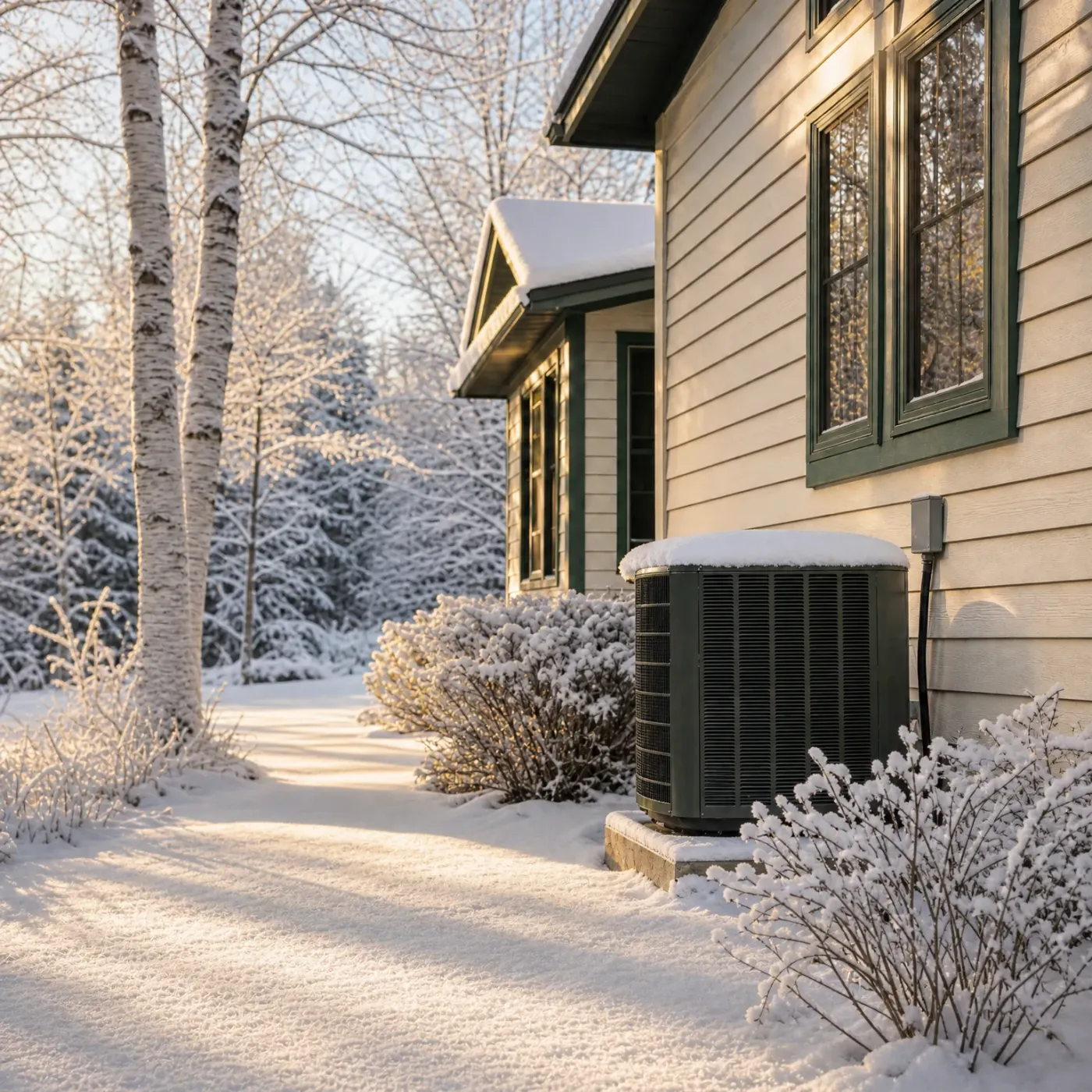
2 months of cooling, July through August
9 months of heat, September through May
Cooling demand isn't even across the state. Homes in the southern counties need about 25% more cooling over a year than homes in the north, so what a system works through before something fails depends on where it sits.
Hennepin County runs cooling about three months a year, the longest stretch in the state. St. Louis County runs about zero. A system in the Twin Cities area has had more hours to show a weak capacitor or a failing contactor than one up near Duluth, where the same part might sit unused for years before it's asked to do much of anything.
Redwood County sees the hottest summer afternoons in the state, averaging 81°F through June, July and August. Cook County sees the mildest, at 72°F. A unit in Redwood County is working against real heat for its two months. One in Cook County barely gets tested.
None of this adds up to a harder life for the machine statewide. Minnesota runs fewer cooling months than most of the country. But where a home falls inside the state changes which part is more likely worn when something goes wrong, and that's worth knowing before guessing at the cause.
What does an AC in Minnesota face?
How hot do summer afternoons get?
79°Faverage afternoon high where people live
Alaska66°F
Arizona101°F
How many months does the cooling run?
2 monthsof cooling a year
Alaska0 months
Hawaii12 months
What does electricity cost?
15.45¢per kWh, what homes paid in 2024
North Dakota11.51¢
Hawaii42.86¢
How often do storms hit?
216severe weather events per county from 2015 to 2024
Alaska5
Wyoming1,057
How many homes lost power for a day or more?
13%of homes in 2024
Arizona7%
Maine54%
Letting it keep running is how a small problem turns into a big one
A system low on refrigerant or short on airflow will keep running if you let it. That's what causes the damage to stack. A compressor pulling in refrigerant that's partly gas runs hotter than it's built to run, and it stays hot as long as it's on. Weak airflow across the indoor coil causes a different problem. The coil gets too cold and ice builds on it. That ice blocks even more air, so the system strains harder the longer it runs. A failing capacitor makes the compressor draw more current trying to start. Every hard start wears the contactor points down a little more. None of this fixes itself by running longer. The unit doesn't get a chance to recover between cycles when something inside it is already working wrong. It just repeats the same bad cycle until the weak part gives out, and a part that could have been replaced turns into a seized compressor or a coil cracked from the ice. Shutting the system off doesn't fix anything. It just stops the damage from piling up while someone finds the actual cause.
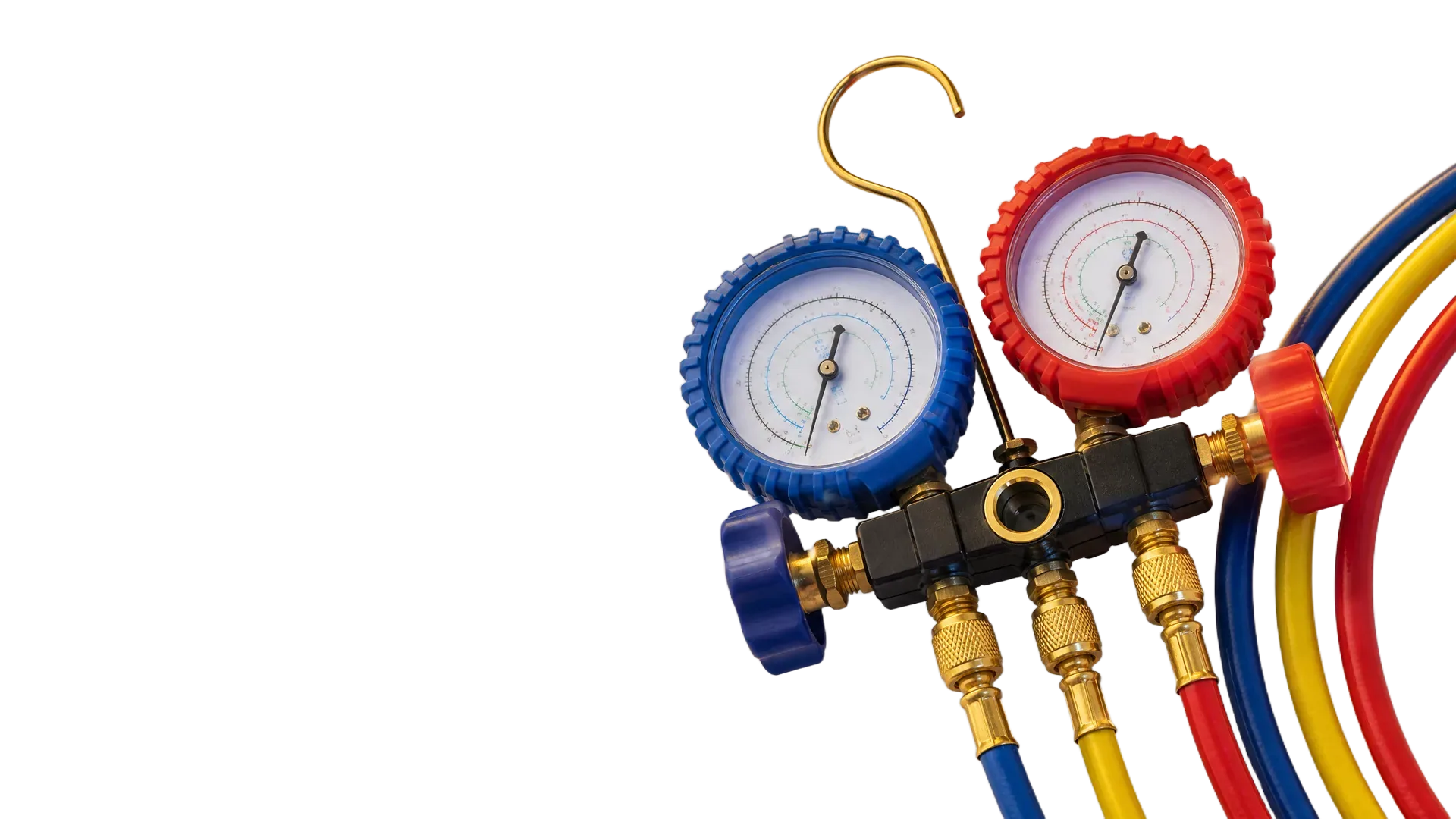
What to check before you call anyone
A few things are worth checking before anyone comes out. Make sure the thermostat is set to cool and the setpoint is actually below room temperature. Batteries die quietly and people forget. Go outside and look at the condenser. If the fan isn't spinning and you don't hear a hum, check the breaker panel first, a tripped breaker is the simplest thing to rule out. If the fan is running but the air inside is weak or warm, pull the air filter and hold it up to a light. A filter packed with dust can starve the whole system of airflow, and that alone can look like a refrigerant problem. Look at the outdoor unit for anything blocking it, leaves, a fallen branch, grass clippings packed into the fins. Clear what you can reach by hand, but don't bend the fins, they're soft aluminum and easy to damage. If there's ice anywhere on the indoor coil or the refrigerant lines, shut the system off at the thermostat and let it thaw before anyone touches it further. Running it with ice already built up drives the problem deeper. None of this fixes a bad capacitor or a low charge, but it rules out the things that aren't that.
When a repair is just a repair
A repair makes sense when one part failed and the rest of the system is sound. A capacitor, a contactor, a fan motor, these are single parts doing one job, and replacing one doesn't say anything about the condition of the compressor or the coil next to it. The compressor changes the math. It's the expensive part, and it's built to run alongside the specific coil and metering device already in the system, so putting in a new one still leaves an old system around it. If a contractor finds the compressor is failing, that's usually where repair stops making sense. A refrigerant leak raises a similar question. A leak in a line can be found and sealed on its own. A leak inside the coil is a different repair, and a coil corroding in one spot is often corroding elsewhere too, even where it hasn't shown yet. None of this means an older system is in trouble before anyone's looked at it. It means the right question is what actually failed, not how old the unit is.
Minnesota's mild summers mean an AC here usually just needs the real cause of the problem found and fixed.
Tell us about the job
Takes about a minute. No obligation.
Fill out this form and a licensed Minnesota contractor will call to look at what's actually wrong.