Two months of real work
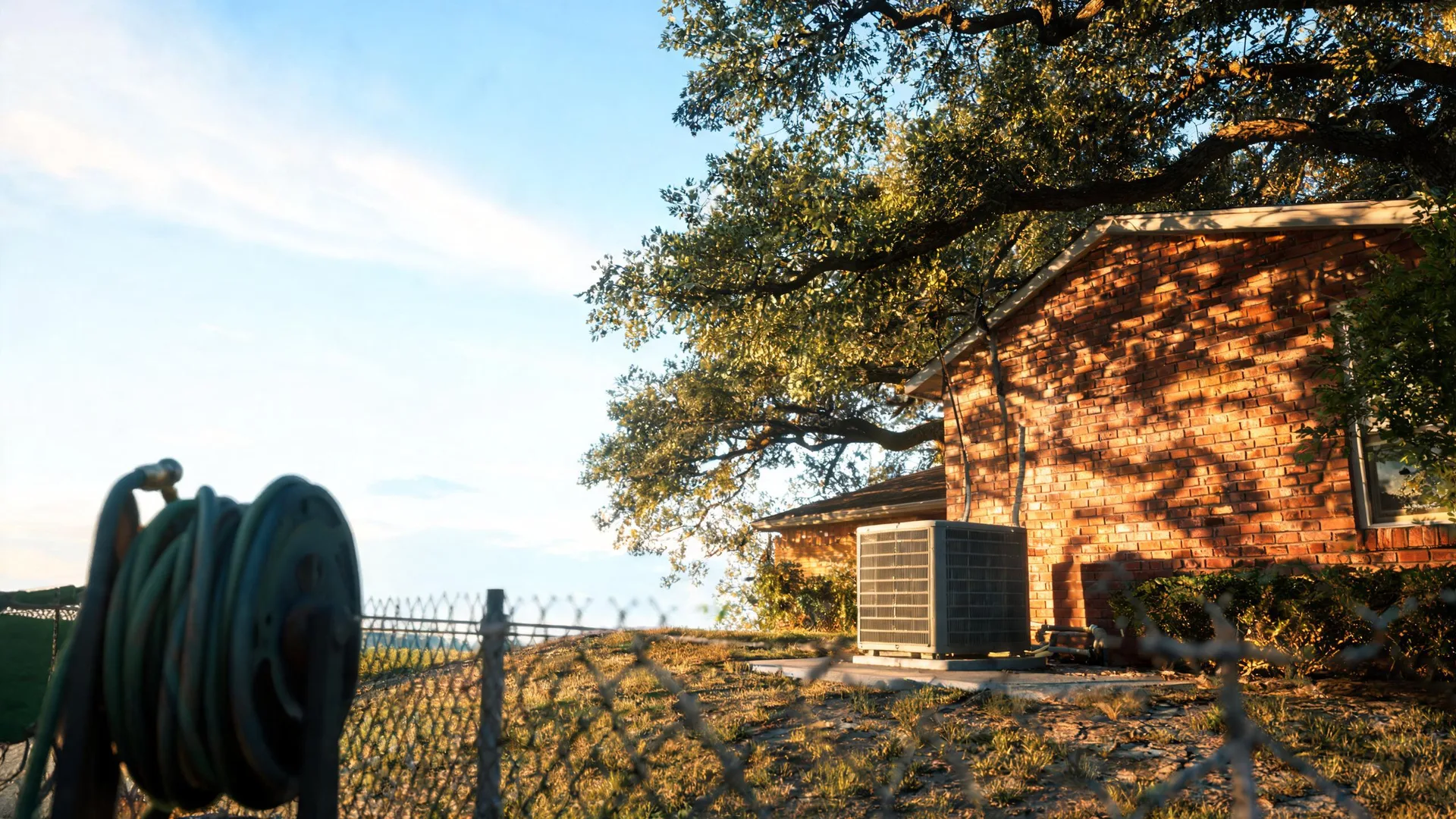
AC here only has to earn its keep in July and August, with afternoon highs averaging 78°F. That's a short season compared to most of the country, and it means the compressor and coil haven't been run hard for years on end.
Takes about a minute. No obligation.
AC here only has to earn its keep in July and August, with afternoon highs averaging 78°F. That's a short season compared to most of the country, and it means the compressor and coil haven't been run hard for years on end.
A system that hasn't been worked to death is a system worth fixing rather than replacing. If your AC is acting up, the cause is more likely age or a part that failed on its own than heat stress from years of brutal summers.

NOAA nClimDiv, 1991–2020 normals
June is the last quiet month before cooling starts in July.
Get a weak part checked now, before the first hot stretch asks more of it than it can give.



Polk County logged 353 severe weather events over the years on record, most of it wind and winter storms. That's not what wears out an air conditioner. Wind tests your roof and your power lines. Winter storms test your furnace, not your compressor, since the outdoor unit sits idle through the cold months. None of that has any bearing on why your AC isn't cooling now. When one fails here, the cause is almost always a capacitor that gave out, a low refrigerant charge, or a contactor worn from years of cycling on and off. Worth ruling out the simple cause before you assume the unit is done for.
Half the homes in Polk County were built in 1971 or earlier, and an AC unit does not last as long as the house around it. If yours came with a house that age, it was almost certainly replaced at some point, maybe more than once. The repair in front of you is worth doing. It just helps to know first whether this unit is old enough that another repair might follow it soon.
Find a contractorTwo months of real cooling a year doesn't put much wear on a compressor. When something does go wrong, a tech can usually get to the real cause fast, a failed capacitor or a low charge, rather than digging through years of accumulated strain. That's the kind of repair worth doing.
The air comes out warm, or barely moves, or the unit runs and runs without the house ever catching up. Sometimes it's a smell when it kicks on, or a sound that wasn't there before, a click that repeats, a hum with no fan behind it. Water pooling near the indoor unit is its own problem and shouldn't wait.
Warm air with the fan running points at the compressor or the refrigerant charge. A unit that clicks but won't start is often a capacitor losing its charge. Water at the indoor unit usually means a clogged drain line, not a refrigerant leak. Each of these is a different repair, which is why a tech checks the symptom before touching anything.
Estimates for a typical Polk County home, compared with an older unit built to the previous federal minimum, from EIA household energy data, Minnesota fuel prices and NOAA climate normals. Your home will differ.
Repair makes sense when a part like a capacitor or contactor has failed.
Replacement makes sense when the compressor has failed or the system uses R-22 refrigerant, which is no longer made.
A single failed part is almost always worth fixing. A capacitor, a contactor, a fan motor, these bring a unit back to full strength and nothing about the repair is a compromise. The compressor changes that math. It's the most expensive part in the system, and when it fails, a tech should walk you through whether replacing it is worth it or whether that money goes further toward a new unit. Age plays into this too. Not because an old part is automatically weak, but because a unit near the end of its run can hand you a second failure not long after you've paid for the first one. Ask what actually failed, ask what it costs to fix that one thing, and ask whether the rest of the unit still has life in it.