

Cooling the way it should
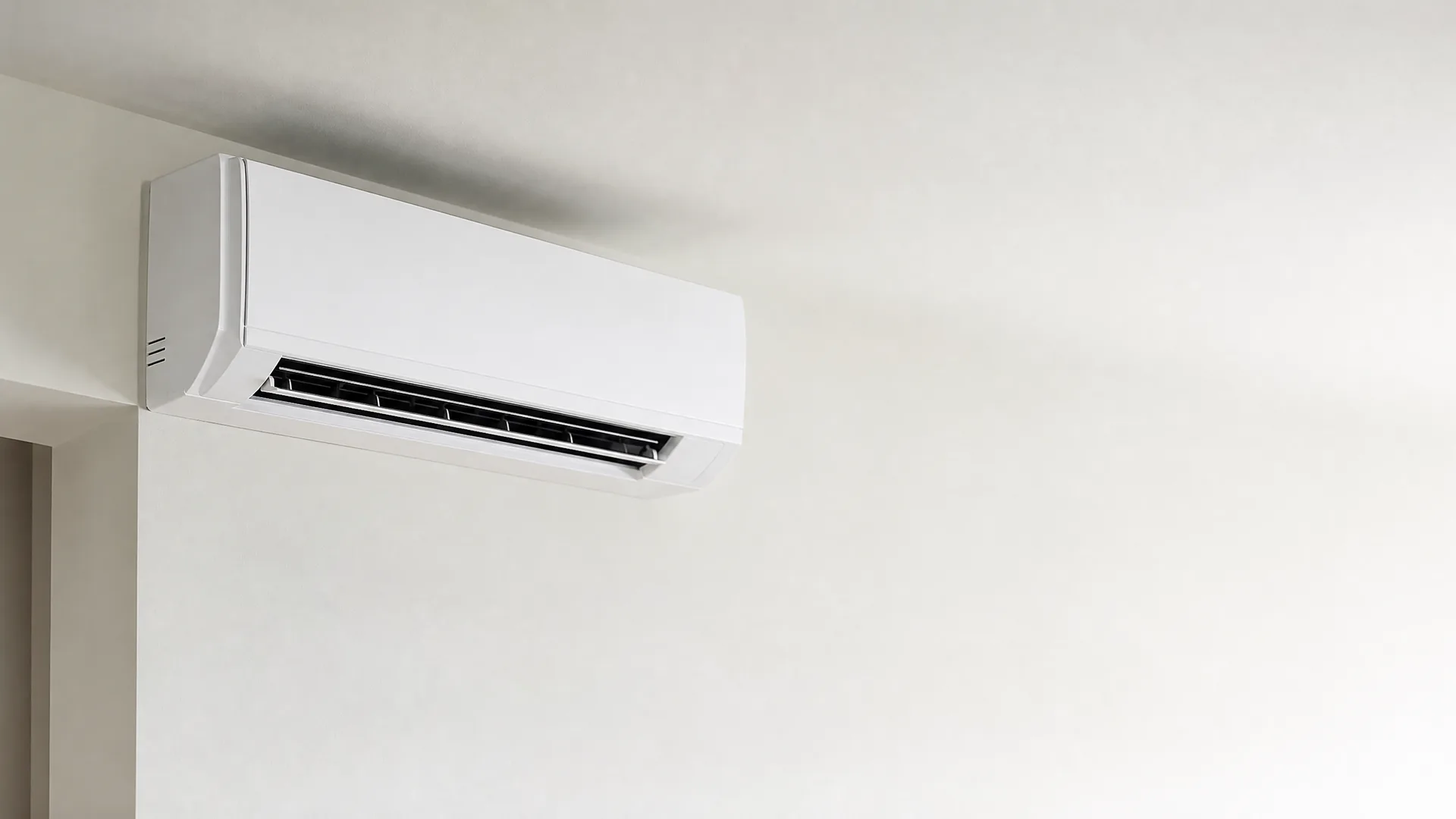
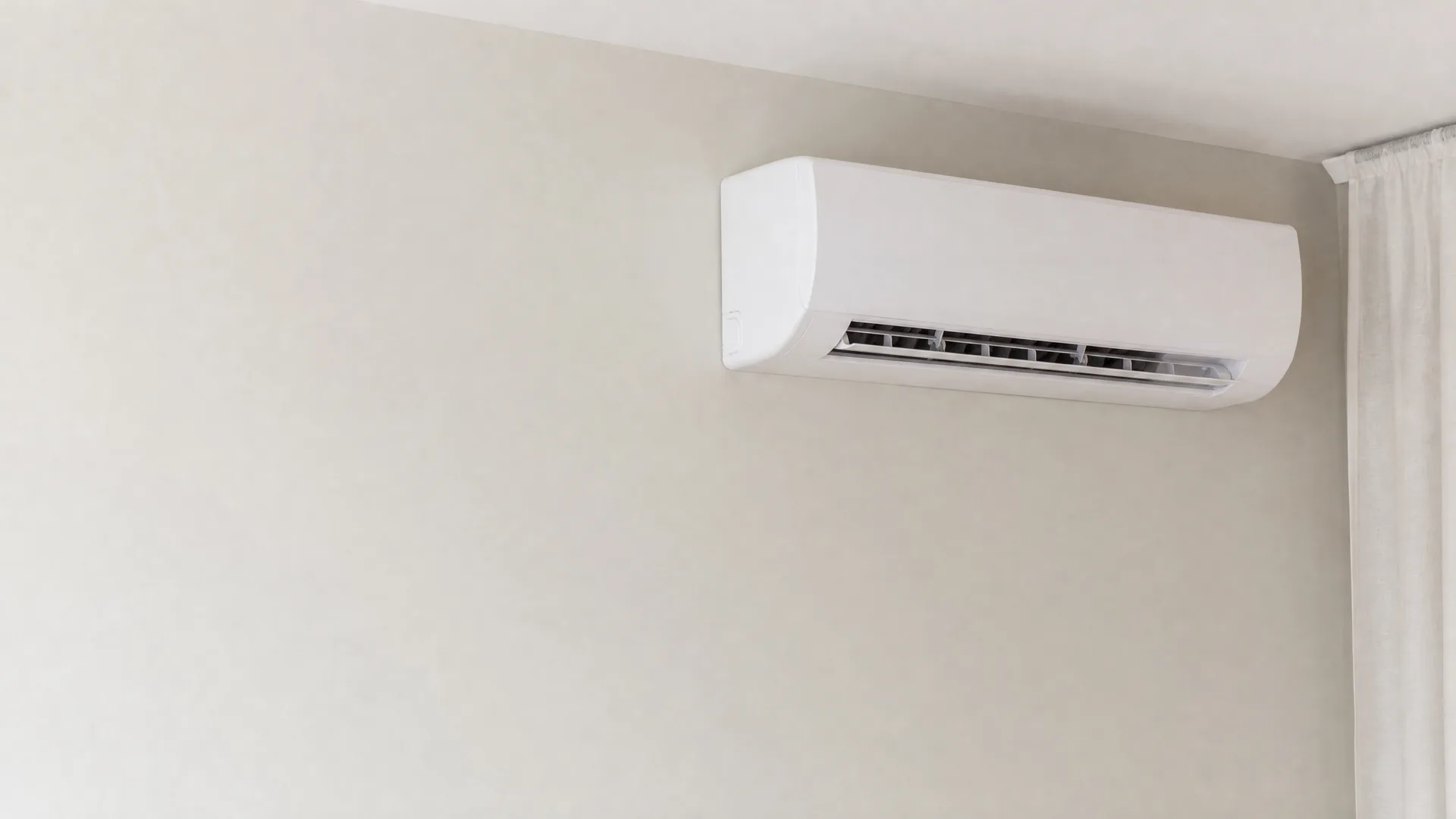
Air comes out of the vents noticeably colder than the room, and the unit cycles off once the space reaches temperature. No sound of strain, no ice anywhere on the indoor coil, just steady, even cooling through the room.
Get matched with someone who does this kind of work in Olmsted County.
Connect with a proA mini split that runs but doesn't cool is usually low on refrigerant, or the outdoor unit is dirty, or the indoor coil has frozen over. A slow leak at a fitting will let charge drop over a year or two, and once it's low the system moves air without taking the heat out of it. Dirt and grass clippings packed against the outdoor coil do the same thing by cutting off the airflow it needs to shed heat. If ice has built up on the indoor coil, the fix starts with shutting it off and letting that ice melt, because running it iced up only makes the airflow worse. In Rochester summers, a mini split that's lost its edge shows up fast, the kind of muggy stretch where a few degrees off makes the house feel wrong. None of these are problems you fix by resetting the thermostat. They need someone to check the charge, check the coil, and find out which one it is before anything else gets done.

You're at your desk on a July afternoon, Rochester humid enough that the windows have fogged at the edges, when you notice the wall under the mini split has a dark streak running down it. You got up to check why the air coming out felt more like a fan than anything cold, and that's when you saw the water. A towel is already down on the floor, soaked through. The indoor unit is still running, still making noise like it's working, but the room hasn't cooled in hours. You stand there a minute, listening to it hum, watching the streak get a little longer.
Cooling runs June through August
Cooling runs June through August, so a mini split that quits in July leaves you without relief for the stickiest stretch of the year.
Heat runs September through May
Heat runs September through May, and if your mini split also handles heating, a breakdown touches nine months, not three.
Power here costs 18.20 cents per kilowatt-hour
Power here costs 18.20 cents per kilowatt-hour, so a mini split losing charge or icing over runs longer to do less, and it shows on the bill.
NOAA nClimDiv 1991-2020 · EIA-861 2025
If the outdoor unit sits against a fence or under a deck overhang, it can't shed the heat it's pulling out of the house. Grass clippings, cottonwood fluff, and leaves packed into the fins all do the same thing. The system still runs, the fan still turns, but the refrigerant inside can't let go of its heat outside, so the air coming out of the indoor head stays warm no matter how long it runs.
A frozen indoor coil looks like nothing from across the room. You might just notice weaker airflow, or water dripping from the unit as the ice melts between cycles. The freeze itself usually traces back to low refrigerant or a filter so clogged that not enough air moves across the coil to keep it above freezing. Either way, the fix is behind the cover, not out in the yard.




Answer a few questions instead of calling shop after shop.
It costs nothing to send, and you don't have to hire anyone.
A mini split doesn't burn through refrigerant the way a car burns gas. The line set is sealed at the factory, and the charge inside is meant to last the life of the system. If a mini split is low, the refrigerant didn't get used up. It escaped somewhere, usually at a flare fitting on the line set or a joint at the indoor or outdoor unit. That's why topping off the charge without finding the leak doesn't hold. The level drops again over months, and the symptoms come back, often worse, because now the compressor has been running low on lubricant too.
Ice on the indoor coil means airflow or refrigerant is off, not that the system is working too hard in the heat. A coil that's too cold for the air moving across it will pull moisture out of that air and freeze it solid, and once ice builds up it blocks airflow further and makes the problem worse. A dirty air filter is enough to cause this on its own. So is a refrigerant leak, since low charge drops the coil's temperature below what the airflow can handle. Either way, the fix is finding what's blocking airflow or letting out refrigerant, not just running the fan to thaw it.



Air comes out of the vents noticeably colder than the room, and the unit cycles off once the space reaches temperature. No sound of strain, no ice anywhere on the indoor coil, just steady, even cooling through the room.

Dust has built up across the casing and into the vents, and the air coming out barely feels different from the room around it. A unit that looks like this has likely been losing capacity for a while, not just today.
The air coming out feels closer to room temperature than cold, even with the unit set low and running for a while. You might hear it cycling on and off more than it used to, or notice it just runs constantly without the room ever catching up. There could be a hissing sound near the indoor or outdoor unit, water pooling under the indoor head, or ice visible on the coil behind the front cover. The thermostat reading might not match how the room actually feels. Left alone through a Rochester summer, a system running low on charge or fighting a dirty coil works harder for less result, and that strain is what eventually takes out the compressor.



A mini split that runs without cooling is telling you something specific, not failing at random. Low refrigerant, a blocked outdoor unit, a frozen coil: each one has its own signs, and you've likely already noticed which ones match what's happening in your room right now. That's the answer. What's left is getting someone out to confirm it and fix it.
That part is usually the slow part. Finding a contractor who's free this week, explaining the streak on the wall or the ice on the coil over the phone, waiting to hear back, then doing it again with the next one. Submit your address here instead and a contractor who covers Rochester and the rest of Olmsted County will reach out to you directly, already knowing what you've described.


Describe your mini split job once, to one pro.