Mini split making noise in Minneapolis, MN

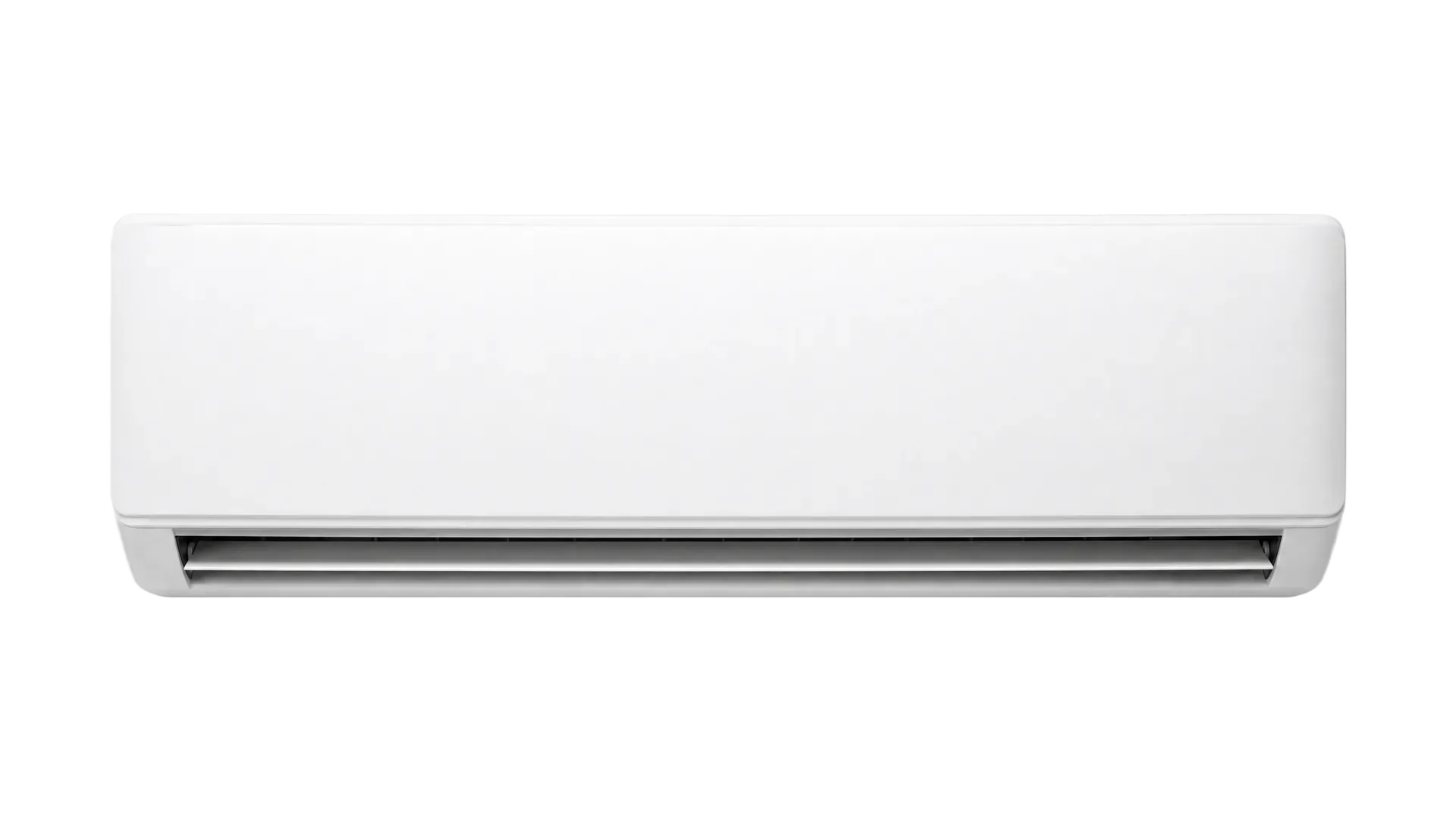
A white wall-mounted mini-split air conditioner indoor unit with a horizontal louvered air outlet, shown against a plain light gray background.
Start one form

A noisy mini split is usually telling you something specific. A clicking sound when it starts or stops is normal, that's the relay switching. A buzzing sound often points to loose parts in the outdoor unit or a failing fan motor. Rattling usually means something is loose, a panel, a fan blade, or debris caught inside the outdoor unit, which matters here since Minneapolis winters pile snow and ice around it. Hissing can mean refrigerant escaping from the line set, and that's not something to wait on, since a low charge makes the system work harder and can damage the compressor. A gurgling sound is often refrigerant or condensate moving through the lines, sometimes normal, sometimes a sign the line needs clearing. If the noise is new, or getting louder, or paired with weaker heating or cooling, it's worth having someone look at the specific unit rather than guessing from the sound alone.

Why does your mini split's workload in Minneapolis matter for repairs?

  • Cooling runs June through August

    Your mini split cools from June through August, so a noise that starts in summer often points to the outdoor fan or condenser, not the indoor unit.

  • Heat runs October through May

    Heat runs October through May here, nearly eight months, which means the system logs far more hours heating than cooling, and that's where wear usually shows up first.

  • Power here costs 16.88 cents per kilowatt-hour

    At 16.88 cents per kilowatt-hour, a mini split grinding through a bad motor or loose part is also running less efficiently, which shows up on your bill before you place a call.

NOAA nClimDiv 1991-2020 · EIA-861 2025

A noise you can live with for now

Some sounds are worth tracking instead of acting on right away. A faint hum from the outdoor unit, a soft whoosh of air from the indoor head, or a click or two when the system starts up aren't signs of trouble. If the noise is steady and the mini split is still heating or cooling the room the way it should, you can note when it happens and keep an ear on whether it changes. Write down whether it's louder in heat or cooling, since that points a contractor toward the outdoor unit or the indoor head before they even arrive.

A noise that means call someone now

Grinding, screeching, or a banging that wasn't there before means a part is failing, not settling in. So does a noise that gets louder over days instead of staying the same. If the sound comes with weak airflow, ice on the outdoor unit, or the system short cycling, something inside is already wearing or has come loose. Minneapolis winters don't leave room for a mini split to limp along while you wait and see. A local contractor who works on these systems every season can tell from the sound and a quick look whether it's a fan, a motor mount, or something else.

A middle-aged man with grey hair and a beard, wearing a grey knit sweater, sits on a light sofa in a sunlit living room with a houseplant, wooden cabinet and framed landscape picture behind him.
A man with greying hair and a beard in an olive sweater sits on a sofa in a living room, looking to his left, with an armchair, round side table and large glass doors onto trees behind him.
A gray-haired bearded man in a dark blue shirt over a white t-shirt sits on a leather sofa in a living room with built-in shelves, a floor lamp, an armchair and large windows, looking off to the side.
A man with gray-brown hair and stubble in a dark sweater sits on a light-colored sofa in a living room, looking off to the side, with a houseplant, framed picture, shelving and a sunlit window behind him.

No phone calls to make

A noise that's new or getting worse is easier to explain to someone who already knows mini splits than to describe over and over while you call around. Finding a contractor willing to look at a single ductless unit, getting them out before the noise turns into a breakdown, and then repeating the same description of the sound to two or three companies so you can compare what they say, all of that takes time you'd rather not spend while the system is still running and the noise is still there. Submitting here sends your situation to one local contractor who works on mini splits through the hard winters and the warm summers Minneapolis gets, not five companies competing for the job. They've heard this rattle or buzz before on systems like yours and know what it usually turns out to be. That's worth more than another hour spent searching and explaining the same noise again.

A white wall-mounted mini-split air conditioner on a beige interior wall, with a cream curtain and window at left, a potted plant on a ledge at right, and a wood floor below.

Quiet and running clean

A mini split in good shape runs with barely a hum, just a steady flow of air from the indoor head. The case stays clean, the vents stay clear, and the sound in the room is mostly just air moving.

A dusty, discolored white wall-mounted mini-split air conditioner unit installed high on a plain interior wall below a white ceiling molding.

Dust buildup changes the sound

A coil or fan packed with dust forces the unit to work harder, and that shows up as noise, a rattle, a grinding sound, or a motor that strains. The grime on this one means air isn't moving through it the way it should.

A woman with shoulder-length graying hair, wearing a light knit cardigan over a striped shirt, sits in an upholstered armchair and looks off to the side, with a bookshelf and houseplant behind her.
A woman with her hair in a bun holds a sleeping boy against her shoulder, both wrapped in a thick cream knit blanket on a couch in a dim room with a lit lamp, potted plants and a shelf behind them.

What the Noise Is Telling You

  • A clicking relay or a soft hum from the outdoor unit is normal; grinding, rattling, or a new buzzing sound is not.
  • Noise that starts with summer cooling usually traces to the outdoor fan or condenser, not the indoor head.
  • Noise that shows up with winter heat often points to the indoor blower or something loose inside the unit.
  • A mini split technician in Hennepin County who services these units all year knows which sounds mean a quick fix and which mean a failing part.
  • Working with one licensed local contractor means one visit and one diagnosis, not several companies calling back with different guesses.
  • Left alone, a worsening noise tends to mean a worsening repair, so catching it early is worth the call.

A mini split rarely makes noise for no reason. The relay clicking as it starts or stops, the quiet hum while it runs, that's just the system working the way it's built to. Grinding, rattling, or a buzz that wasn't there before is the unit telling you something has come loose, worn down, or started to fail. When that noise shows up matters too. A sound that starts once the weather turns warm and the system is cooling points to the outdoor fan or condenser. A sound that shows up once heat is running through the winter usually traces back to the indoor blower or something shaken loose inside the head. Either way, the timing narrows down where to look before anyone opens up the unit.

Hennepin County winters are hard on a mini split, and the summers put in real hours too, so the units here see steady use most of the year. A technician who works on these systems in this area all year has heard most of these noises before and knows which ones mean a loose panel and which mean a motor on its way out. Getting matched with one licensed local contractor means you explain the sound once, to someone who already knows this equipment, instead of repeating yourself to company after company. A noise that's left to run tends to get louder and the repair tends to get bigger. Catching it while it's still just a sound is the cheaper problem to have.

A shingled two-story house with lit windows and stone accents at dusk, with a stone paver walkway and landscape lighting leading past ornamental grasses toward a calm bay under an orange and blue sky.

Mini Split Repair

One form, no calling around

RepairMini-splitHennepin County, MN
Step 1 of 2

What ZIP code is the job in?

  • A beige upholstered armchair with an olive cushion sits in a sunlit corner beside a wooden side table holding a ceramic vase with leafy branches, under a framed abstract artwork, on a woven rug over a wood floor.
    • A Hennepin County pro who repairs mini splits gets your request.
    • Your request goes to a Hennepin County pro who takes mini split jobs.
  • A gray outdoor condenser unit on a concrete pad surrounded by dark gravel, beside a dark wood-sided wall with an electrical disconnect box and a stone veneer wall with a small evergreen shrub.
    • Send the request and finding a pro stops being your problem.
    • After this form, you can stop searching for a mini split pro.
  • A beige upholstered oversized armchair with a matching cushion and a knit throw draped over one arm, beside a round wooden side table holding a vase of greenery near a curtained window, with a framed landscape print on the wall and a woven rug on a wood floor.
    • Describe what your mini split is doing once, in one form.
    • Skip calling shops to ask who repairs mini splits in Hennepin County.
  • Sunlit living room corner with a beige upholstered sofa, cushion and knitted throw, a round wooden side table holding a white ceramic vase of leafy branches and a small wooden bowl, a framed landscape painting on the wall, and a window at right.
    • The pro who gets in touch is licensed in Minnesota and works in Hennepin County.
    • The pro who reaches out is licensed in Minnesota.