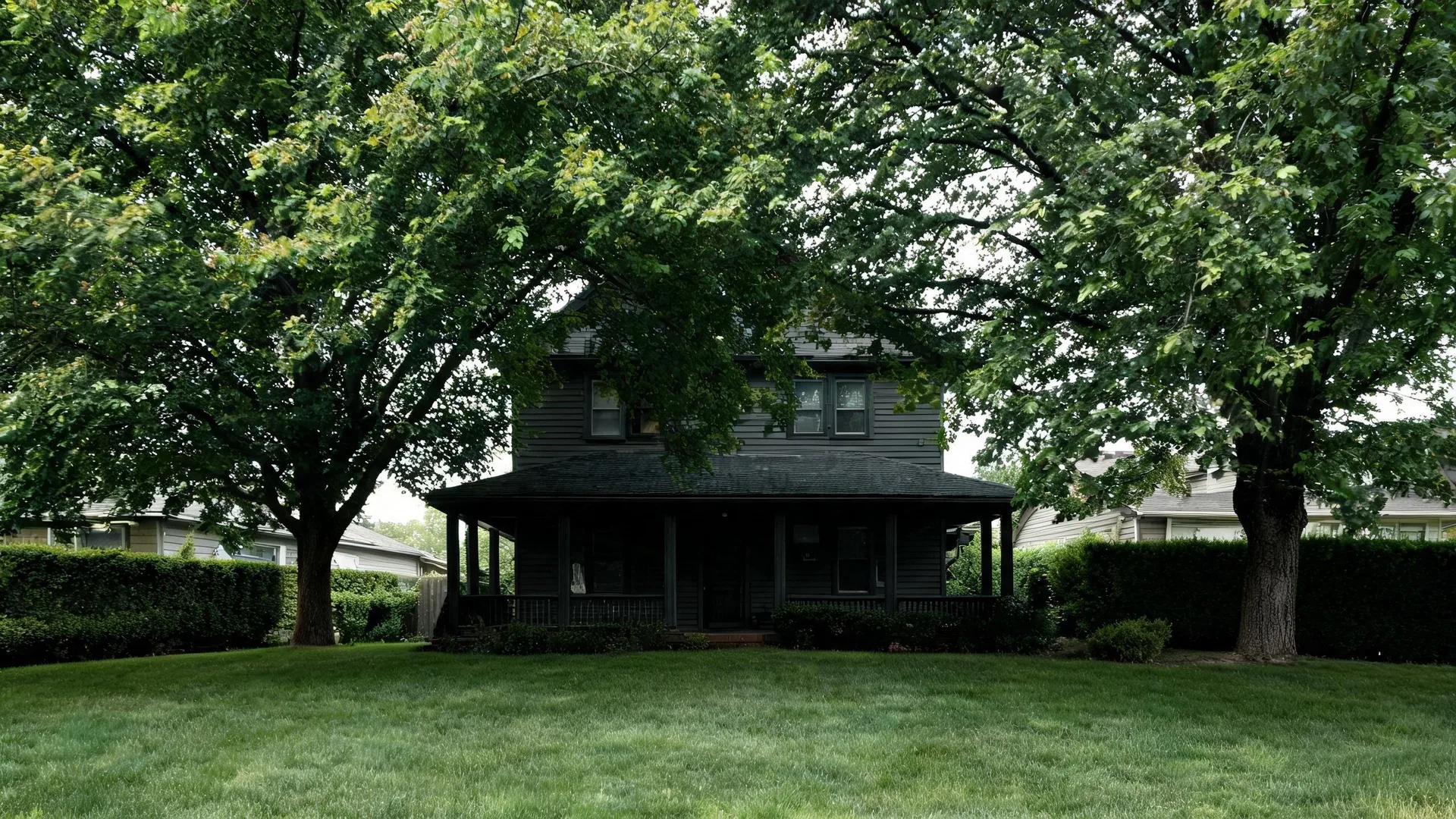






A dark two-story house with a wraparound covered porch sits behind a trimmed hedge and a mown lawn, framed by two large leafy trees.

AC Installation in Faribault, MN

Tell us about the job

Takes about a minute. No obligation.

New system or replacementCentral ACRice County, MN
Step 1 of 2

What ZIP code is the job in?

Most homes in Rice County heat with utility gas, 65.2% of them. If that's your setup, central air usually means a new outdoor condenser paired with the existing gas furnace, since the furnace blower moves the cold air through the same ducts it already uses for heat. That keeps the installation simpler than it sounds, because the ductwork and the air handler are already in place. Electricity heats 17.8% of homes here, and those setups pair an air handler or heat pump differently, so what fits your neighbor's house may not fit yours. Worth checking which one you have before you start comparing quotes.

3 months
June through August, your air conditioner is on duty
80°F
the average summer afternoon it cools against
41 hail events
in ten years, and hail bends the fins on outdoor coils
13.4 SEER2
the federal minimum any new unit must meet
Isometric line illustration of a cutaway single-story building showing interior rooms, ceiling ductwork and an air handler, connected by lines to an outdoor condenser unit beside the exterior wall.
Your air conditioner works hardest from June through August.

NOAA nClimDiv, 1991–2020 normals

Cooling in Rice County runs June through August.

May is the month to have a new system in, before the first hot week puts it to work.

Three months of 80 degree afternoons won't wear out a new system

Cooling runs June through August
Summer afternoons average 80°F
36 damaging wind events from 2015 to 2024
A standard system runs fine hereMinnesota homes paid 15.45 cents per kilowatthour in 2024, and a normal sized unit is built for that rate.

Ask what size the contractor is proposing and why, not just the tonnage number. A unit sized off square footage alone can end up too big, and an oversized condenser cools the air fast, then shuts off before it pulls the moisture out. That leaves rooms cold and clammy instead of just cool. A contractor who runs a load calculation based on the windows, insulation and layout is sizing it to the house, not reading it off a chart. Ask too what happens to the existing ductwork, since the condenser still has to push air through the same ducts and registers already in the walls. If those ducts are undersized or leaky, a better condenser will not fix what the ducts cannot deliver.

A standard system, sized correctly, is what this job needs

Half the homes in Rice County were built in 1978 or earlier, half since. Neither age calls for anything special in a new system, just a standard size matched to the house by a load calculation. Get that sizing right and the installation itself is straightforward.

Find a contractor
An outdoor air conditioning condenser unit mounted on a concrete pad surrounded by gravel, photographed against a partly cloudy blue sky.

Three summer months, then it sits

Three months of cooling a year is light duty for a condenser. Pick one built to run reliably and the three months won't ask much of it, no need to pay more for a top efficiency tier to cover load that isn't there.

The old condenser gets hauled away, not reused

Whoever installs the new system disconnects the old condenser, recovers the refrigerant from the lines, and removes the unit from the pad. Refrigerant can't legally be vented into the air, so it gets pulled out with a recovery machine first. The pad itself usually stays, and the new condenser sits right on it, unless it's cracked or too small for the new unit.

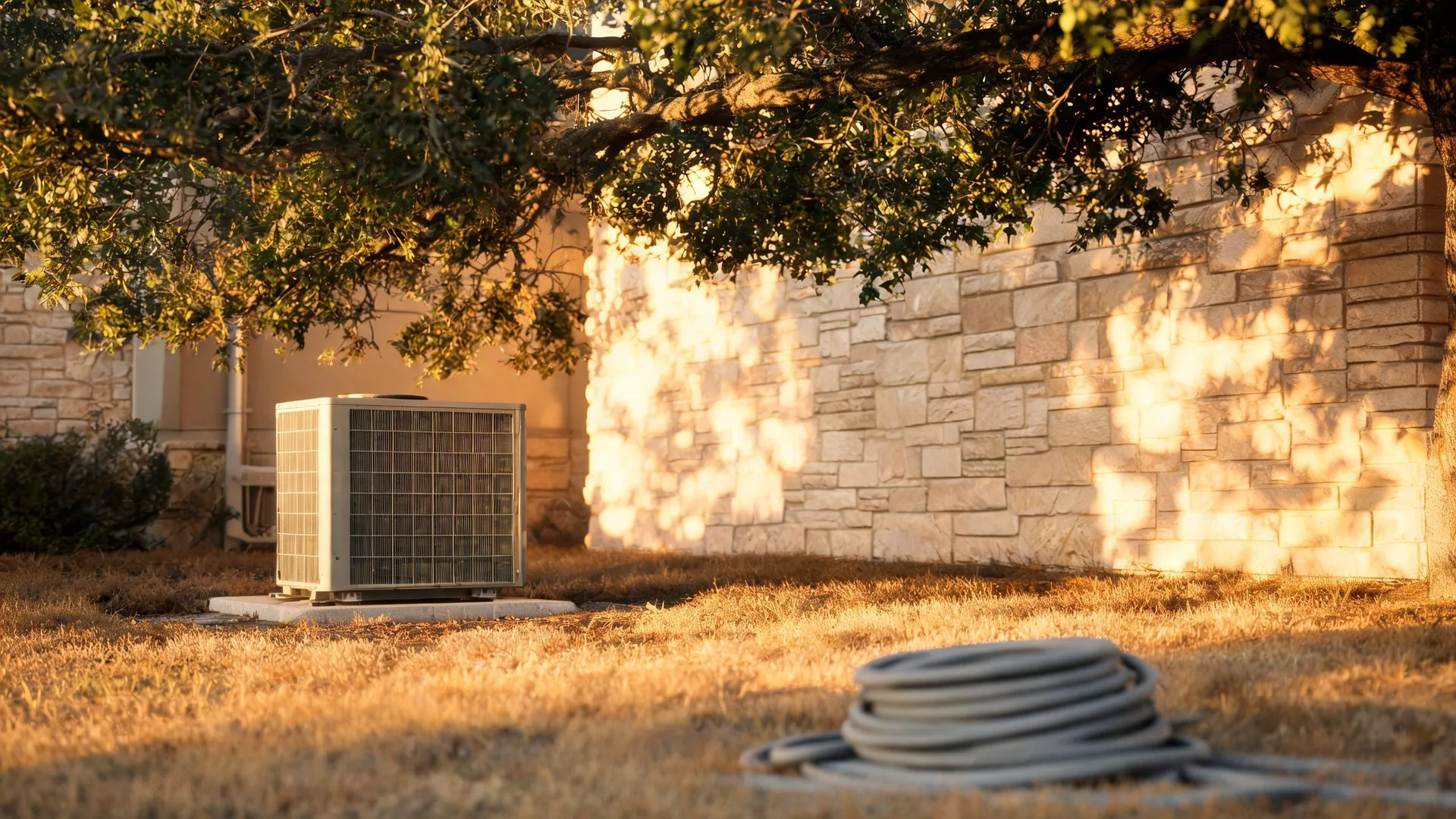
The furnace and ducts usually stay put

If the old system paired a condenser with a gas furnace, only the outdoor unit and the coil above the furnace typically get swapped. The furnace keeps running the blower, and the ducts stay exactly as they are. The one thing worth checking is whether the new condenser needs a different coil to match it, since an old coil paired with a new condenser can cause problems down the line.

Overhead view of a gray outdoor AC condenser unit on a concrete pad beside a mulched garden bed and a house with vinyl siding.

Going above the federal minimum saves little here, about $20 a year.

  • A higher-efficiency unit$140 a year
  • A new unit at the federal minimum, 13.4 SEER2$160 a year

Estimates for a typical Rice County home, from EIA household energy data, Minnesota fuel prices and NOAA climate normals. Your home will differ.

Installation day starts with the old equipment coming out before the new goes in. The crew disconnects the condenser, recovers the refrigerant, and pulls the old coil if it's being swapped. Setting the new condenser on the pad and running the line set doesn't take long. The careful part comes after. The lines need a vacuum pulled on them to clear out air and moisture before refrigerant goes in. Skip that step or rush it and the system can develop problems months later that have nothing to do with how it was sized. Once the lines are charged, the crew checks refrigerant levels against the manufacturer's spec, tests airflow at the registers, and confirms the thermostat is talking to the new equipment correctly. A system that's wired up but never tested under a full cooling cycle is still an unfinished job.