





Aerial view of a gray outdoor air conditioning condenser unit mounted on a concrete pad next to a house with vinyl siding.

AC Installation in Elk River, MN

Tell us about the job

Takes about a minute. No obligation.

New system or replacementCentral ACSherburne County, MN
Step 1 of 2

What ZIP code is the job in?

Gas furnace paired with central air is the setup you'll find in most Elk River homes. Utility gas heats 71.7 percent of occupied homes in Sherburne County, and electricity covers another 16.2 percent. When a gas furnace is already in place, adding or replacing central air usually means matching a new condenser to the existing ductwork and furnace coil rather than rethinking the whole system. If your home is one of the smaller number running on electric heat or LP gas, a contractor will size the AC around that setup instead, since the furnace and air handler differ.

3 months
June through August, your air conditioner is on duty
79°F
the average summer afternoon it cools against
53 hail events
in ten years, and hail bends the fins on outdoor coils
13.4 SEER2
the federal minimum any new unit must meet
Isometric cutaway illustration of a house showing attic ductwork, an indoor air handler, refrigerant lines running outside, and an outdoor condenser unit on a pad.
Your air conditioner works hardest from June through August.

NOAA nClimDiv, 1991–2020 normals

AC here runs June through August.

May is the month to get a new condenser in, before the first hot week finds a dead system.

79°F afternoons, a few months a year, call for a normal system here, not a bigger one

Power costs 15.45 cents a kWh statewide
Cooling runs June through August
Summer afternoons average 79°F

Taking out the old condenser is part of the job, not an extra step. A contractor will recover the refrigerant from the line set before anything gets disconnected, since it can't just vent into the air. Once the old unit is off the pad, they check the line set itself. If it's the right size for the new condenser, they may reuse it. If it's not a match, they'll run new lines rather than force an old set to work with new equipment. The old disconnect box and whip usually stay unless the new unit's electrical needs are different. None of this adds much time to the install, but skipping it is how you end up with a new condenser that was never properly charged or hooked to lines it wasn't matched for.

A new system here has to clear this region's efficiency minimum

Any new condenser going in here has to meet 13.4 SEER2, the federal minimum for this size system. Sherburne County also falls under zone 6A, so a contractor has to work within that when matching equipment to your home. A federal tax credit is available for qualifying high-efficiency systems, worth looking into while you're weighing options.

Find a contractor
An outdoor air conditioning condenser unit mounted on a concrete pad beside a house, with electrical conduit running to a wall-mounted disconnect box.

A few months of work a year, so buy reliable, not bigger

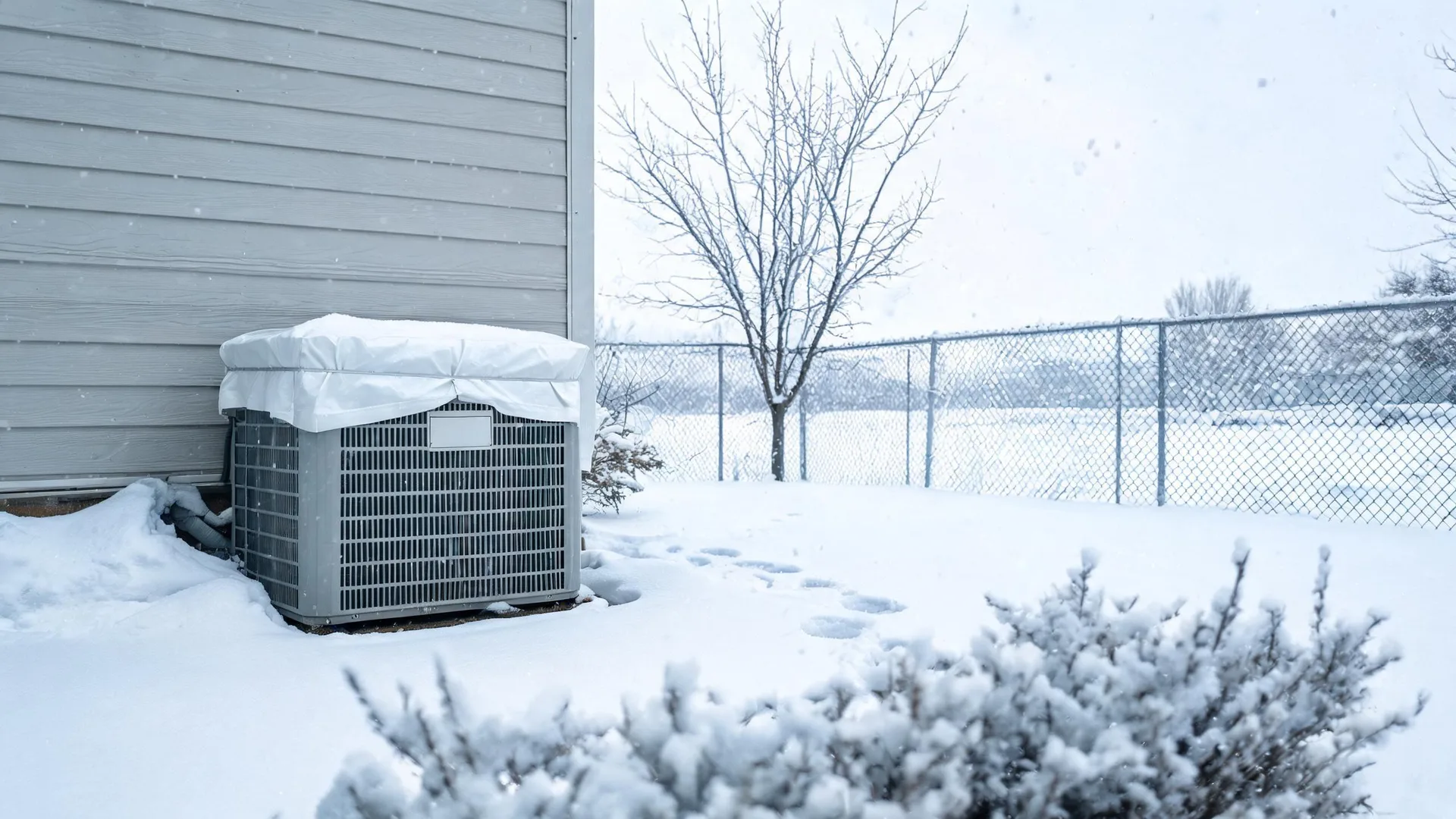
Three months of real cooling a year is not much work for a condenser to put in. June, July, August, then it sits. A normal system, sized right and installed clean, will keep up fine through afternoons averaging 79 degrees. What shortens a system's life here isn't the running, it's what the winter throws at it sitting idle outside. Sherburne County has seen 27 damaging wind events over the past decade, and hail besides. Reliable is the thing to buy here, not the highest efficiency number on the sheet.

Square footage alone doesn't size a system

A contractor works out the cooling load by looking at how much heat actually gets into the house. Window area matters, and which way those windows face. So does insulation, ceiling height, how much attic sits above the living space. Homes the same size on paper can need different size condensers once all that gets weighed. Square footage is where the math starts, not where it ends.

Oversized cools the air without drying it

A condenser too big for the house blasts the room down to temperature and shuts off before it's pulled the moisture out of the air. That short cycle means the unit starts and stops more than it should, and the compressor wears faster for it. The right size runs longer, pulls humidity down properly, and cycles less.

Aerial view of a gray central air conditioning condenser unit on a concrete pad next to a house with vinyl siding.

Going above the federal minimum saves little here, about $20 a year.

  • A higher-efficiency unit$120 a year
  • A new unit at the federal minimum, 13.4 SEER2$140 a year

Estimates for a typical Sherburne County home, from EIA household energy data, Minnesota fuel prices and NOAA climate normals. Your home will differ.

Install day starts with the pad, not the condenser itself. A contractor sets the new unit on a level pad or stand. One sitting crooked vibrates and wears at the joints over time. Indoors, the coil gets matched to the new condenser and checked for a clean fit against the existing furnace. Once the lines are run and connected, the system gets evacuated to pull moisture and air out before any refrigerant goes in. Charging it right means weighing in refrigerant to the manufacturer's spec, not just running it until the lines feel cold. Last comes the test. A contractor checks airflow at the vents, checks the temperature split between the air going in and the air coming out, and watches the system cycle before calling it done.