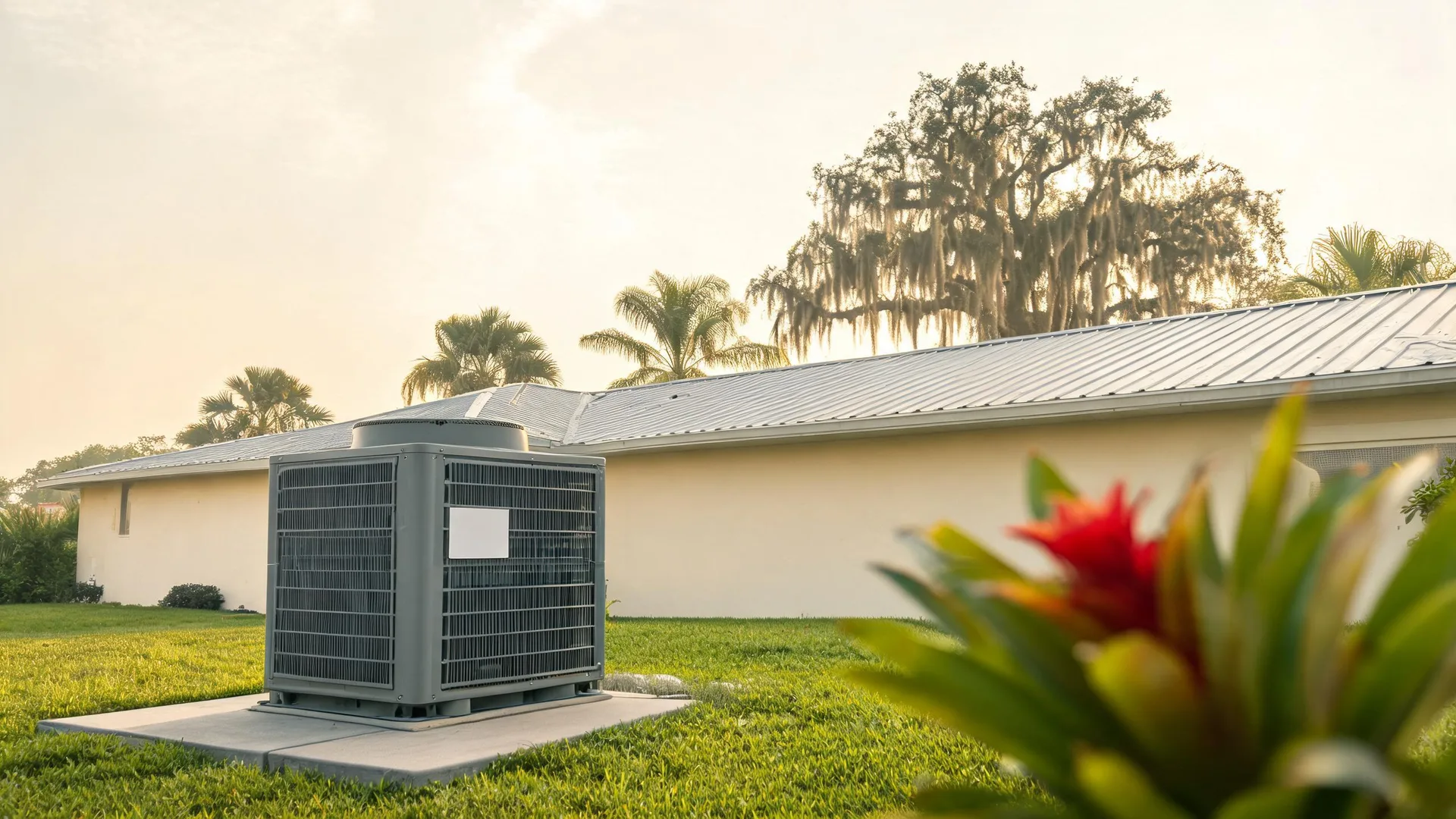
Most homes here run on gas heat
Gas heats 83.3% of homes in Anoka County. Central air in these homes usually shares the ductwork and the blower already in place, since the furnace moves the air for both heating and cooling.
Takes about a minute. No obligation.
Gas heats 83.3% of homes in Anoka County. Central air in these homes usually shares the ductwork and the blower already in place, since the furnace moves the air for both heating and cooling.
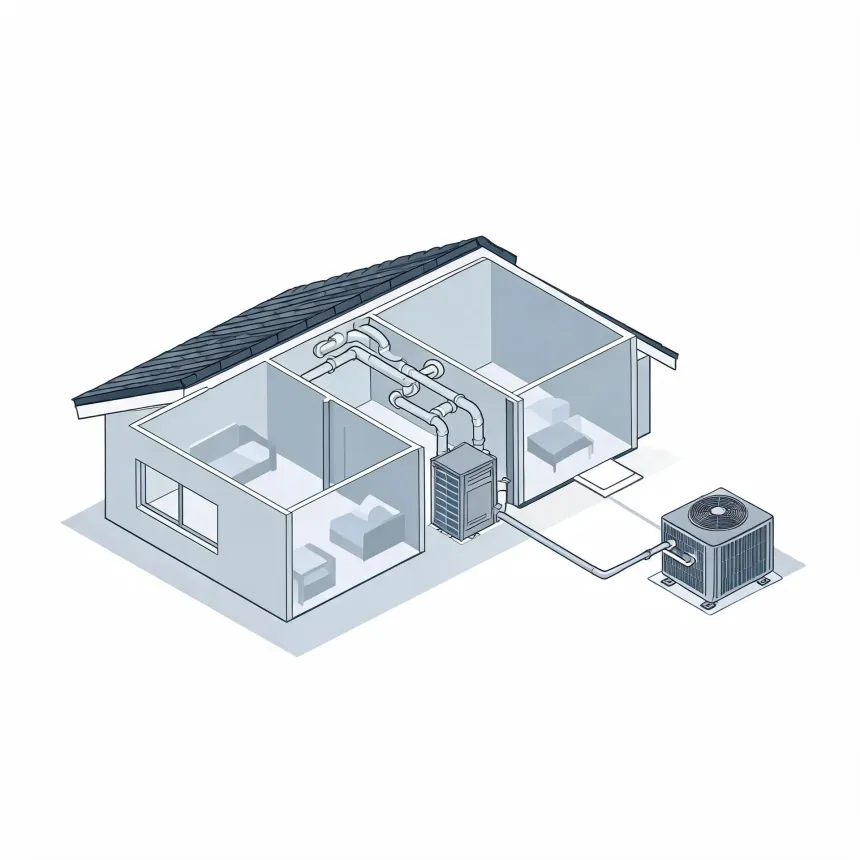
The new AC has to work with the existing ducts and the furnace blower, not replace them. Getting the size right for this setup matters more than picking features.
NOAA nClimDiv, 1991–2020 normals
The size of the system drives the price more than the brand on it.
A unit sized to the house, not just the square footage, costs more to get right but runs the way it should.



Summer here runs about three months, June through August, with afternoon highs averaging 80. That's a short season for a condenser to work hard in, and mild as far as the heat goes. A standard system handles that without strain, since it isn't running flat out all year. Anoka County does see its share of hail and wind, so what matters more than the tier of unit is how the outdoor equipment gets installed and secured. Put the budget there rather than chasing a higher-efficiency model this system won't need.
Anoka County falls under zone 6A, and any split-system air conditioner under 45,000 Btu/h installed here now has to meet a federal minimum of 13.4 SEER2. That sets the floor for what a contractor can install, gas furnace and shared ductwork aside. Worth knowing before you start comparing units.
Find a contractor
Cooling here runs June through August, about three months a year. May is the month before it starts, and it's the easiest time to put in a new system. Nobody's rushing, the old unit isn't dying on the hottest day of the year, and there's room to get the sizing right instead of matching whatever broke. Install it in May and it's ready and tested before the first hot stretch hits.
A contractor should size the system from a room by room load calculation, checking windows, insulation and layout, not just pricing it off the house's square footage. Homes that look alike on paper can need different size systems. If nobody mentions doing this calculation, ask why.
The outdoor condenser has to pair with the indoor coil and the furnace blower already moving the air. A mismatched pairing can leave the system unable to move enough air or cycling more than it should. The contractor should be able to say exactly what coil and blower setup the new condenser is going in with.
Estimates for a typical Anoka County home, from EIA household energy data, Minnesota fuel prices and NOAA climate normals. Your home will differ.
Installation day starts with the old equipment coming out, not the new one going in. The outdoor condenser gets disconnected, the refrigerant lines get drained, and the indoor coil above the furnace comes out too if it's being swapped. Setting the new condenser is its own step, leveled on its pad and far enough from the wall to pull air through the coil properly. The lines get run or reused, pressure tested for leaks, then pulled to a vacuum before any refrigerant goes in, since trapped air and moisture in the line set will wear on the system later. Once it's charged, a tech runs the system and checks the temperature drop across the coil, the airflow at the vents, and the pressures on the gauges against what that unit calls for. None of it depends on the weather that day, only on the work being done in order and checked before the panels go back on.