
Keep running it
A system low on charge or choked by a dirty filter keeps drawing power and keeps straining the compressor. The warm air doesn't improve, and the part doing the extra work can fail outright.
 Send it today
One request and the search for a pro is handled.
Your air conditioner is running, maybe running hard, and what comes out of the vents is warm or barely cool. In a Blaine summer that's not a small thing. It's not the sticky heat you'd get further south, but a house that can't cool down is still a house you can't live in comfortably, and a system blowing warm air is usually telling you something specific is wrong, not just struggling to keep up.
A few things cause this. A dirty filter can choke airflow until the coil freezes over and stops cooling anything. A low refrigerant charge means the system is moving air but that air never gets cold. A failing capacitor can keep the blower running while the compressor, the part that actually cools the air, sits idle. Each of these needs a different fix, and guessing wrong wastes a trip and a day.
This is where a local contractor matters more than it sounds like it should. Anoka County summers are hard on these systems in a particular way, and someone who works on them here every season has seen this exact complaint many times and usually knows within a few minutes what's behind it. That's different from a general handyman guessing at it for the first time.
Send the request and you're done with the hard part. You won't be sorting through a list of companies or fielding calls from three different outfits trying to win the job. One licensed contractor local to Blaine gets your information, and from there, finding the right help stops being something you have to manage yourself. The waiting it takes to get cool air back is no small relief after a day of warm air coming out of your vents.
You've checked the thermostat twice, maybe switched it off and back on, and the air coming out still isn't cold. It's not unbearable the way a muggier climate would make it, but a Blaine summer afternoon with warm air from the vents means the system isn't doing its job. Before calling anyone, it helps to know what's actually going on inside the unit and whether it's something that can wait or something that needs attention now.
Warm air from the vents almost always means the outdoor unit can't move enough heat out of your house, not a problem with the blower itself. A refrigerant leak slowly starves the system of what it needs to cool the air, so it runs constantly and still comes up short. A coil caked with grass clippings, cottonwood fluff or dust does the same thing by blocking the airflow that carries heat away. Either one forces the compressor to work harder for less result, and left alone, that strain tends to end in a failed compressor rather than a simple recharge. A unit blowing warm air during a Blaine summer is worth having looked at soon, before the harder-working system gives out entirely.
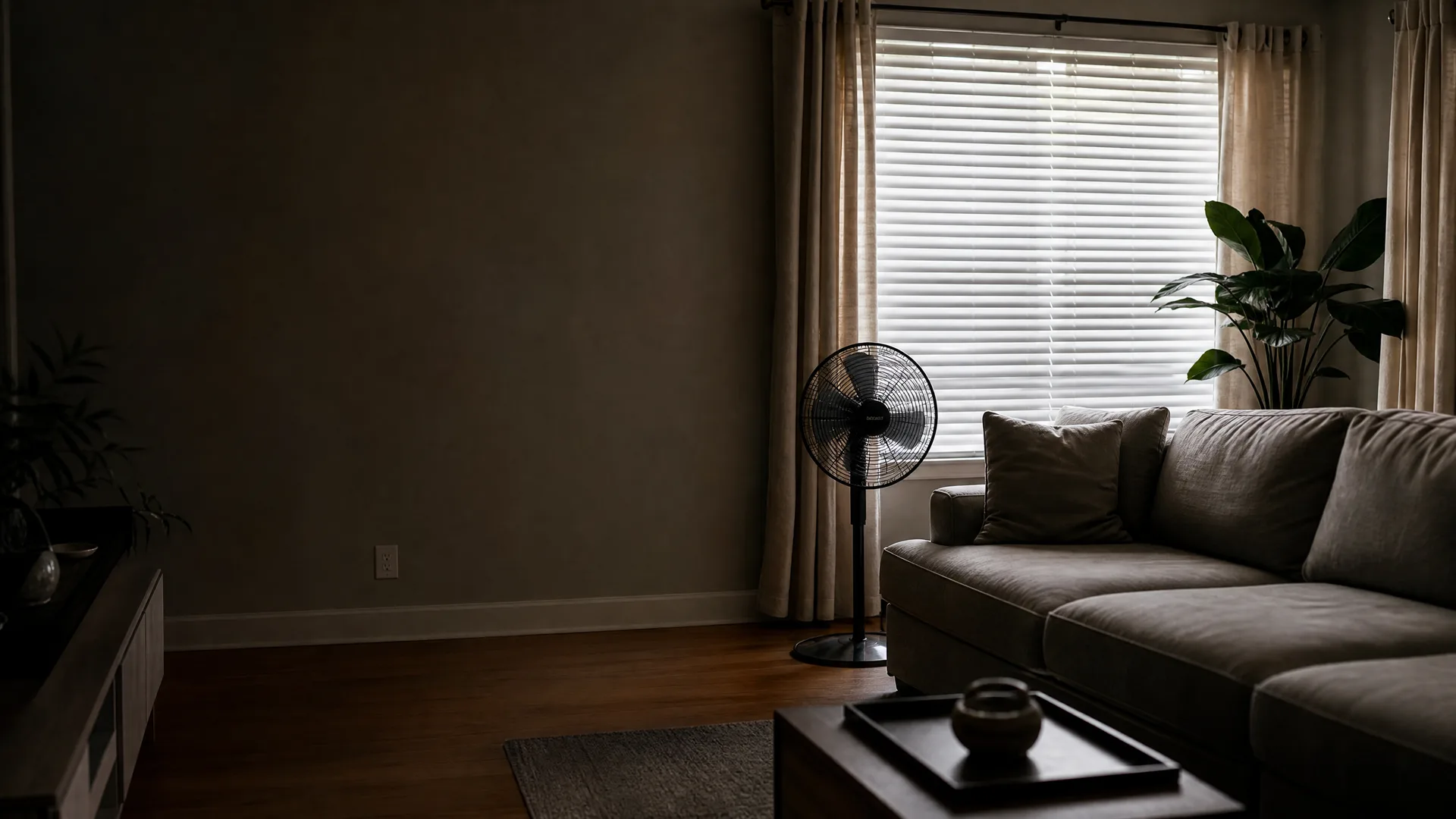
By three in the afternoon the blinds are down and the sun is still finding the gaps. The fan by the couch is turning on its highest setting, pushing the same warm air around the room instead of cutting it. You've got a hand under the vent again, checking if anything changed since the last time you checked, twenty minutes ago. It hasn't. Outside it's a normal Blaine July day, nothing the air conditioner shouldn't be able to handle, which is what makes it worse. The thermostat says it's working. The room says otherwise. You fill out the form on your phone from the couch and set it down, and for the first time since lunch you're not the one who has to figure out what's wrong with it.
Only one pro gets your request, so you hear from one company.
No fee to send it, and nothing to sign.
A low refrigerant charge is the most common reason warm air comes out of the vents, and it almost always means a leak somewhere in the line set or coil, not a system that simply needs a top-off.
Refrigerant doesn't get used up the way fuel does. If the level is low, it got that way through a leak, and the warm air stops for good only once that leak is found and closed.




A system low on charge or choked by a dirty filter keeps drawing power and keeps straining the compressor. The warm air doesn't improve, and the part doing the extra work can fail outright.
A contractor who works on these systems every summer can tell a dirty coil from a refrigerant leak from a failing part in a single visit, and fix the one that's actually wrong.

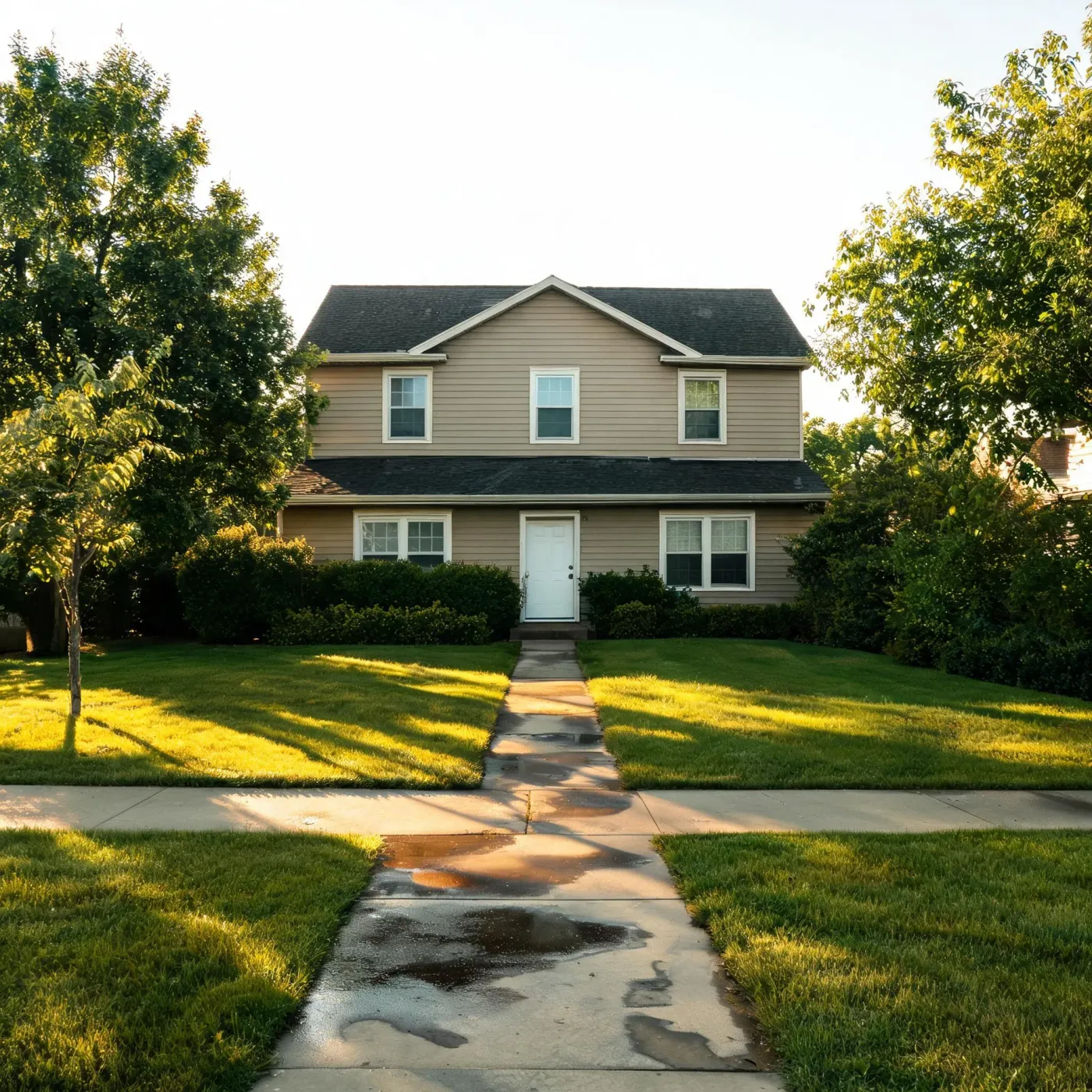
This is a system cooling the way it's supposed to: the condenser cycling normally outside, the coil inside doing its job, cold air at every vent. Nothing around the unit needs attention, and nothing inside the house points to a problem either.

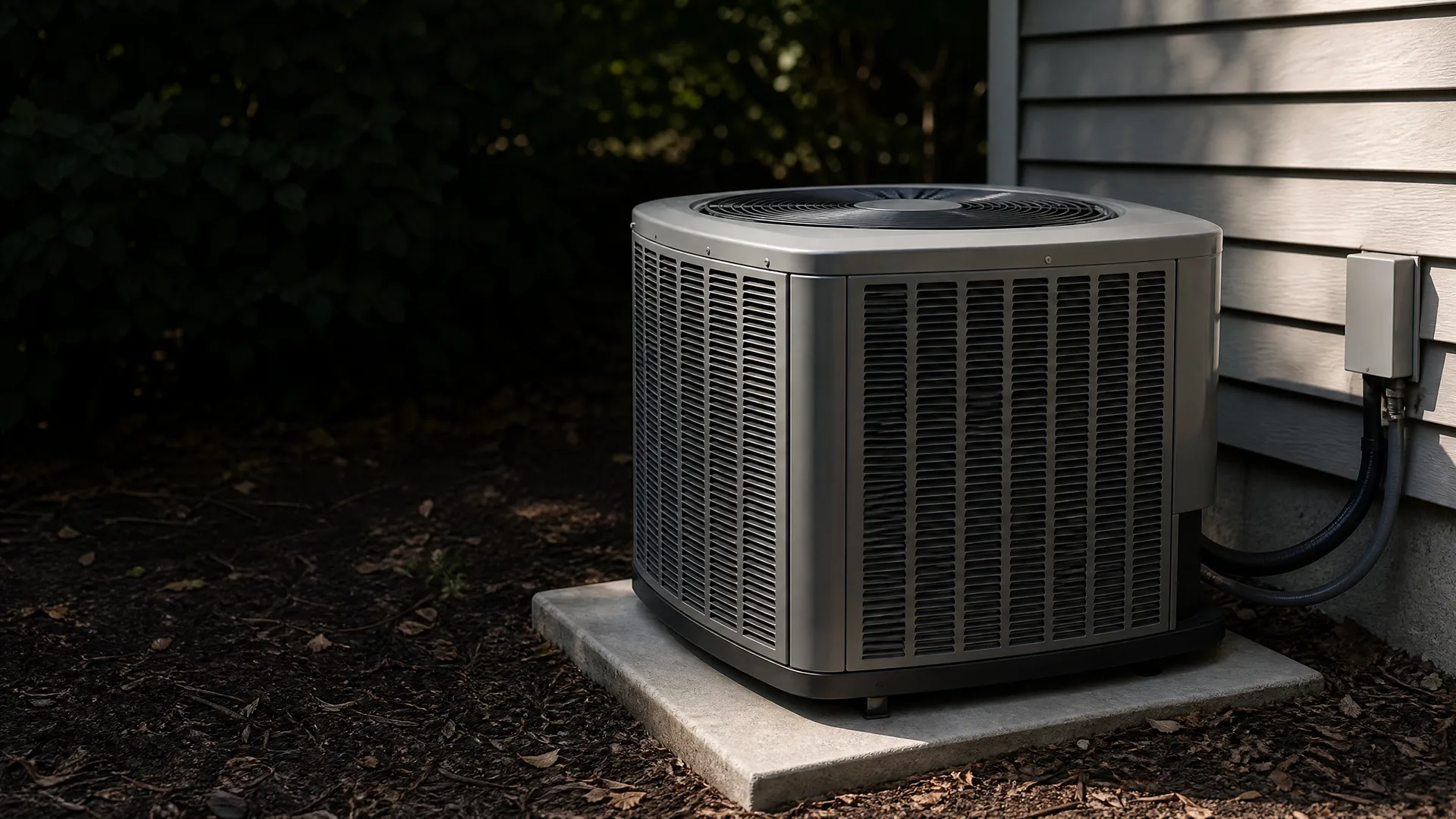
Leaves and dirt built up around the base, lines running bare along the wall, a cabinet that's taken years of Blaine winters and summers. None of that alone means warm air, but a unit left to sit like this is more likely to be low on charge or losing airflow where it counts.
Three months is the whole job for your air conditioner here, June through August. When it's working those months carry the whole house. When it's blowing warm partway through, you don't have a spring or fall to wait it out in.
NOAA nClimDiv 1991-2020

The condenser sits clean on its pad, fins clear, cycling on and off at normal intervals. Air at the vents is cold. Nothing here is straining, and nothing needs a call yet.

Years of weather have left the fins caked and the casing dulled. A coil that dirty can't shed heat the way it needs to, and the lines running into the wall are doing more work for less cooling.


The air here doesn't sit heavy the way it does further south, but it isn't dry either. Summer dew points in Anoka County average 59°F across June, July and August, enough moisture that your air conditioner is pulling water out of the air on top of cooling it. That's part of why warm air at the vents feels worse than the thermostat number suggests. A system working to wring moisture out of the air while it's also low on charge or short a part is working two jobs at once, and the one you notice first is the warm air. Source: regional climate data for Anoka County.
NASA POWER T2MDEW
Warm air from the vents usually comes down to a low charge, a dirty coil or filter, or a part that's failing under the strain of running all afternoon. None of those get better by waiting, and in a Blaine summer the three months the system has to carry the house are the three months you can't afford for it to be down. A contractor who works on air conditioners in Anoka County all summer has seen this exact complaint before and knows which of those it usually turns out to be. You'll be matched with one licensed local contractor, not a handful of companies competing for the callback, so the person who shows up is the one who's actually coming, not the first of several bids. Send the request and the search for who to call is off your plate. What you're left with is a straight answer: the system gets looked at, the cause gets found, and the house cools down again.
One request and it's handed off