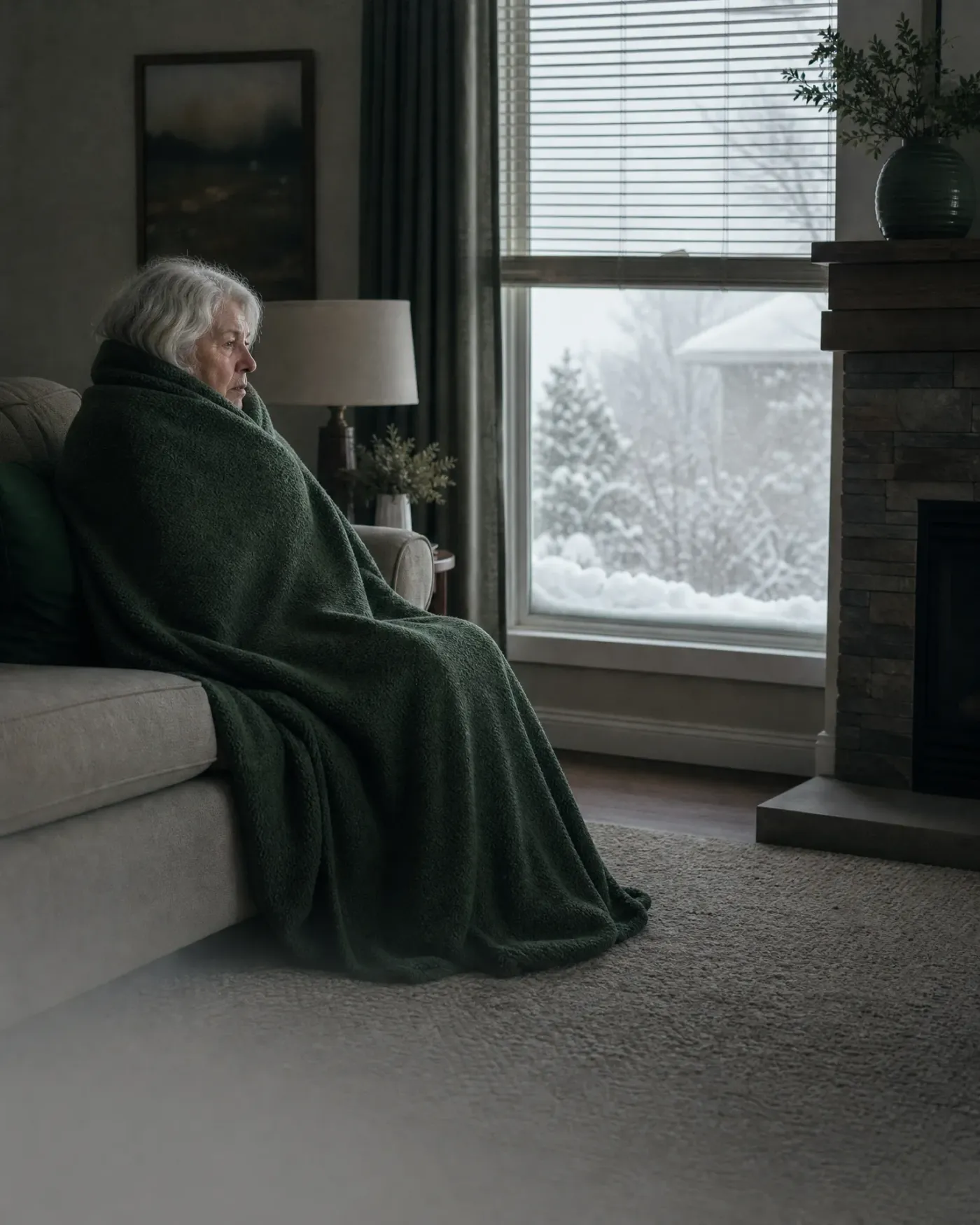
Heat pump blowing cold air in Blaine, MN
A heat pump blowing cold air in the middle of winter usually means it's stuck in defrost, or it has frozen up and can't pull heat from the outside air at all. In a Blaine winter, the outdoor unit works hard against real cold, and frost builds on the coil faster than it would somewhere mild. When that happens, the system should switch to defrost on its own and run the backup heat strip for a few minutes, which can feel like cold air blowing even though nothing is wrong. If that air stays cold for more than a few minutes, or the outdoor unit looks solid with ice, something isn't cycling the way it should. It could be a stuck reversing valve, a failed defrost sensor, low refrigerant, or a backup heat element that isn't kicking in. None of those fix themselves, and running the system this way through a Minnesota winter can leave you without heat on the coldest night of the year.
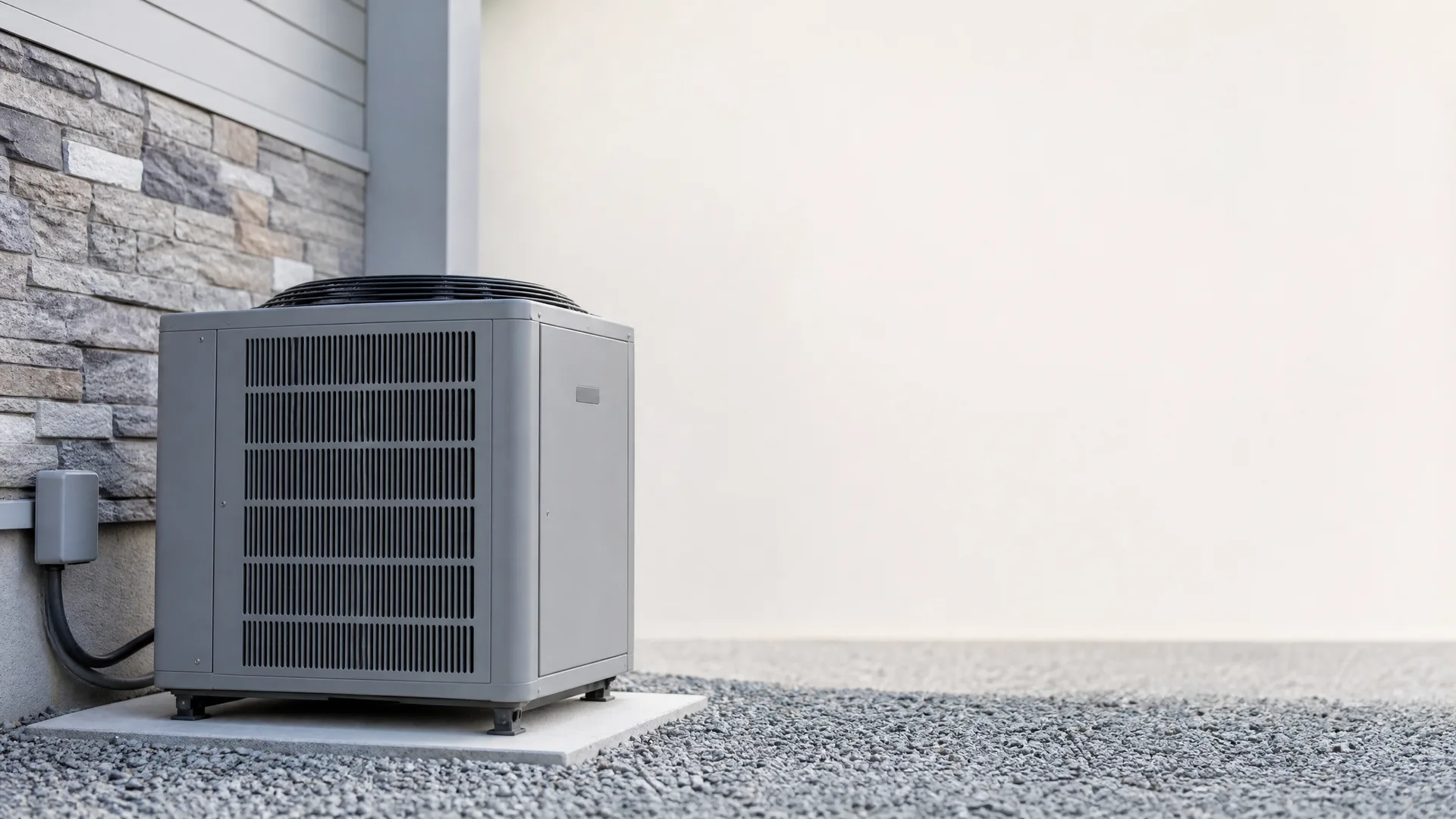
Defrost mode feels cold but isn't
Every heat pump runs a defrost cycle to clear frost off the outdoor coil. It reverses briefly, sends warm refrigerant outside to melt the ice, and the indoor fan keeps blowing air that hasn't been heated yet. That air feels cold on your hand even though nothing is wrong. It should last a few minutes, then switch back to heating. If it keeps cycling or never switches back, the coil likely isn't clearing.
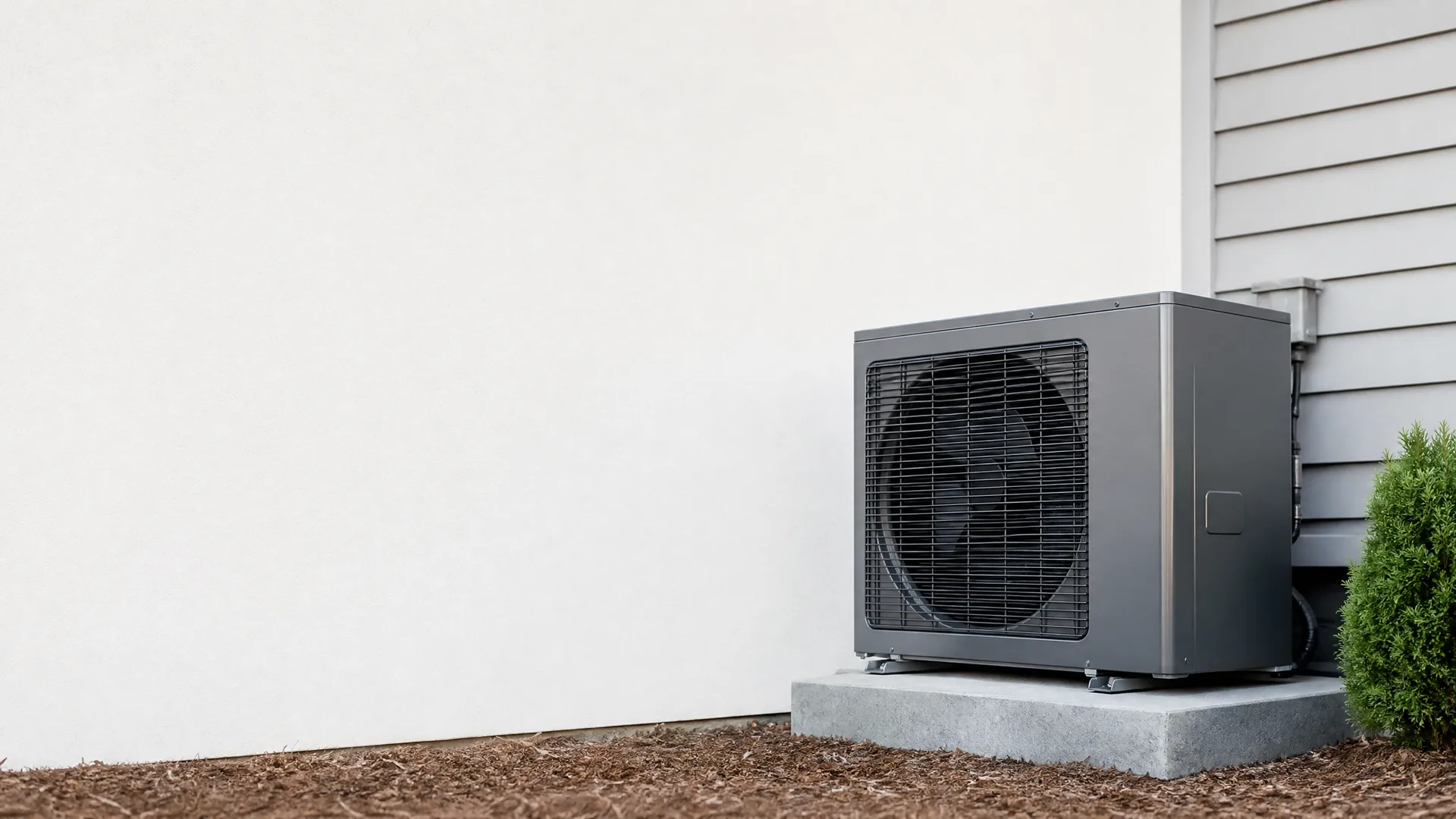
Below freezing, a backup kicks in
On a cold Blaine day the heat pump alone can't keep up, so a backup heat source takes over part of the load, usually electric strip heat or a furnace paired with the system. If that backup isn't firing, the air coming out can feel cool even though the heat pump is running normally outside. Check your thermostat for an emergency heat or auxiliary heat setting and see if switching it on changes the air temperature at the vent.
Why does your heat pump struggle to keep up on a Blaine winter night?
Winter nights average 9°F
When the overnight low sits at 9°F, the outdoor unit is pulling heat from air that has almost none to give, so defrost cycles run longer and more often.
Heat runs September through May
Nine months of heat means the system that's struggling tonight is the one you depend on from September clear through May, not just a few cold weeks.
Cooling runs June through August
Three months of cooling a year is light work compared to the winter stretch, so most of the wear on this heat pump comes from the cold side, not the heat.
NOAA nClimDiv 1991-2020
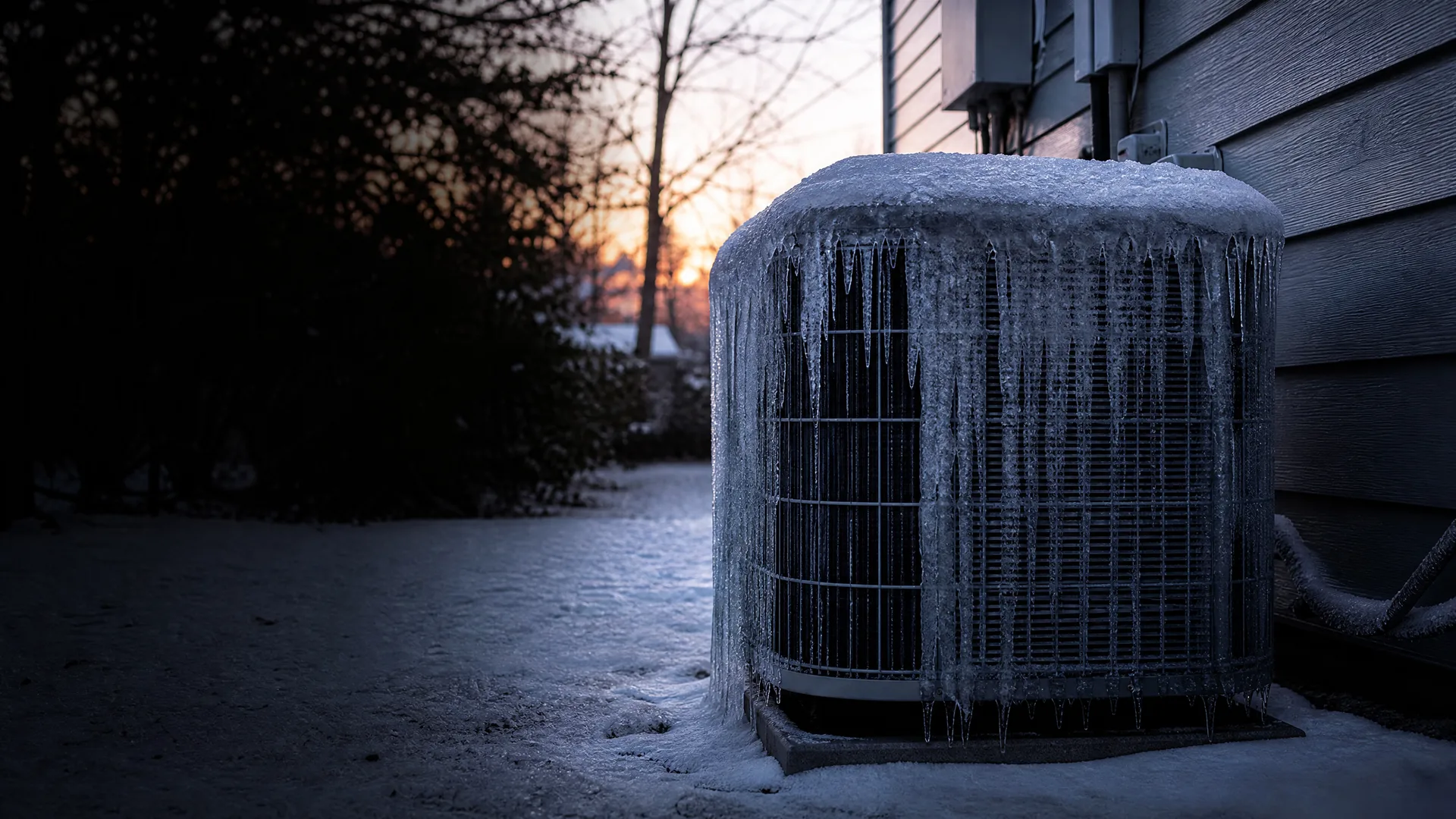
You go out for the paper a little after six, still dark, and the side yard smells like cold metal. The outdoor unit is thick with ice, a solid white shell over the coil and up the sides, the fan barely visible under it. Overnight it sat at 9°F. Inside, the vents are still pushing air, but it isn't warm, and the house has been losing ground since about three in the morning. You crouch down and touch the ice. It isn't the thin frost you've seen before. It's thick enough that you can't see the fins at all. Once the form is in, this stops being yours to sort out.
Hand off the heat pump problem

A licensed pro who works in Anoka County gets your request.
No fee to send it, and nothing to sign.
A short defrost cycle clears itself. The unit reverses for a few minutes, the outdoor coil sheds its ice, and warm air comes back through the vents on its own.
A heat pump that's been blowing cold for an hour or more isn't defrosting anymore. Something has stopped it from switching back to heating, and it needs a repair, not more waiting.


What this comes down to
- Cold air for a few minutes is defrost clearing the outdoor coil, and warm air follows on its own.
- Cold air for an hour or more, or frost still on the unit, means something has actually failed.
- A frozen coil, a stuck reversing valve, or a low refrigerant charge all leave the heat pump unable to pull heat from a 9°F night.
- A contractor who works on heat pumps through Blaine winters knows which of those three to check first.
- You'll hear from one licensed local contractor, not a string of calls from companies bidding for the job.
- Once that contractor is on it, finding help is off your plate and the house is back to normal heat.
A few minutes of cold air is the defrost cycle doing its job. An hour or more, with the outdoor unit still carrying frost, is a heat pump that can't get itself back to heating on its own. By then it's one of three things. The coil has frozen solid and can't absorb heat from the air. The reversing valve is stuck partway and won't send the system back into heating mode. Or the refrigerant charge has dropped low enough that the system can't move heat even from a cold night, and a 9°F night in Blaine doesn't leave much heat to move to begin with. Telling those apart means getting eyes on the outdoor unit and checking the refrigerant pressures, not guessing from inside the house.
That's the kind of call a local contractor makes often through a Blaine winter, because heat pumps here run defrost cycles more and longer than they would somewhere milder, and the same three failures show up again and again once the cold sets in. Send the request once and it goes to one licensed local contractor, not a batch of companies competing for the job and ringing your phone one after another. That contractor sees this equipment in this cold every season, which is most of knowing where to look first. From there, finding help isn't something you're carrying anymore. It's handed off, and the house gets back to heating the way it's supposed to.




One request and it's handed off
A licensed pro who repairs heat pumps in Anoka County gets your request.
Sending the form costs nothing.