
Heat pump running all the time in Rochester, MN

Explain the heat pump problem once instead of to every shop in Olmsted County.

Start one form

A heat pump that runs nonstop in a Rochester winter is often just doing its job. Below about 25 to 30 degrees, a heat pump has to run longer and harder to pull enough heat out of the cold air to keep your house warm, so constant operation on the coldest days isn't automatically a problem. What is a problem is a heat pump that runs all the time and still can't keep the house at temperature, or one that's caked in frost and not cycling into defrost the way it should. That points to something real: low refrigerant, a failing defrost control, a dirty coil, or a system that was undersized for your house to begin with. If your backup heat is also running constantly alongside it, your energy bill is going to show it. Either way, a system working that hard for that long is worth having checked before it wears itself out or the next bitter stretch finds it unable to keep up.

A gray outdoor heat pump unit with a large fan grille sits on a concrete pad beside a house with horizontal lap siding, next to a green shrub, mulch bed, and lawn.

Long runtimes, keeping up fine

A clean unit like this one cycles long on cold days but still brings the house up to temperature and holds it there. The outdoor coil stays clear, the fan sounds steady, and the air coming out of your vents stays warm even if the unit itself barely shuts off.


A weathered outdoor condenser unit on a concrete pad beside a house with white horizontal vinyl siding, with refrigerant lines and conduit running to a wall-mounted electrical box.

Running nonstop and losing ground

Grime packed into the grilles blocks the airflow a heat pump needs to pull heat from outside air, so it runs constantly and still can't hold the thermostat setting. If your indoor temperature keeps drifting down while the unit runs, that's a contractor visit, not a cold snap.

Why does your heat pump have so much work to do here?

  • Winter nights average 10°F

    Nights average 10°F in December, January and February, and that's the kind of cold where a heat pump has to lean on its backup heat to keep up.

  • Heat runs September through May

    Heat runs September through May here. That's most of the year your system is working, so a unit that's struggling gets no real break to rest the problem away.

  • Cooling runs June through August

    Cooling only runs June through August. The other nine months, it's the heat pump carrying the load, which is why a problem in winter matters more here than it would somewhere milder.

NOAA nClimDiv 1991-2020

A white outdoor heat pump unit on rubber feet atop a concrete pad beside a light stucco wall, with gray siding and a small shrub at the left edge.

What backup heat is doing

Most heat pumps in Olmsted County pair with an electric resistance coil or a gas furnace for the days the outdoor air can't give up enough heat on its own. When the heat pump can't keep the house at the set temperature by itself, that backup stage kicks in and runs alongside it. You'll hear it in a change of sound, and you may see a jump on your power bill or longer gas use. That's the backup doing its share, not the heat pump failing.

A gray outdoor heat pump unit with a large circular fan grille sits on a concrete pad beside a house with horizontal siding, surrounded by gravel and grass, with a conduit and junction box on the wall.

What the thermostat is telling it

The heat pump runs off the gap between the temperature you set and the temperature the thermostat reads. On a night near 10 degrees, that gap stays open longer, so the system keeps calling for heat instead of shutting off. A thermostat that's reading wrong, or a setting that's been bumped up, will keep the system running even when the air coming out of your vents is doing its job. It's worth checking before assuming the unit itself is struggling.

Why does my heat pump run longer at night than during the day?

Why does my heat pump run longer at night than during the day?

Nighttime temperatures are the coldest part of the cycle

The outdoor temperature drops to its lowest point overnight, usually in the hours before sunrise, and that's when a heat pump has the least heat to pull out of the air. With less heat available outside, the compressor has to run longer to move the same amount of heat into your house. During the day, even on a cold day in December or January, the air warms a few degrees once the sun is up, and that small difference is enough to shorten the runtime. The pattern reverses in reverse: the unit backs off some as the afternoon warms, then picks back up once the sun goes down and the temperature starts falling again.

  1. Thermostat calls for heat and the compressor starts running.

  2. Outdoor coil pulls what heat it can from the cold air.

  3. Refrigerant carries that heat inside to the indoor coil.

  4. Indoor coil releases the heat into air moving through your ducts.

Working Hard or Falling Behind

Normal strain

  • The compressor runs long stretches on single-digit nights but cycles off once the house comes up to temperature, even if that takes a while.
  • Backup heat kicks in during the coldest hours and you can hear or feel it, but the house still reaches the thermostat setting.
  • Your energy bill runs high in January and February compared to October, matching how hard the system is working.
  • The outdoor coil stays free of ice buildup beyond a normal defrost cycle, and the fan outside sounds steady, not strained.
  • Rooms farthest from the air handler run a few degrees cooler than the room with the thermostat, but still land within a few degrees of your setting.

Needs a look

  • The compressor runs nonstop for days without ever satisfying the thermostat, even when outdoor temperatures climb back above freezing.
  • Backup heat is running constantly instead of cycling in only on the coldest hours of the night.
  • The outdoor unit has a thick layer of ice that doesn't clear during the defrost cycle, or frost builds back within an hour of defrosting.
  • Air coming out of your vents feels cool or barely warm instead of the steady warm air a working heat pump should deliver.
  • Your house sits several degrees below the thermostat setting no matter how long the system has been running.
  • The system short cycles, shutting off after a few minutes and starting right back up instead of running a full, steady cycle.
A gray outdoor condenser unit on a concrete pad beside a white horizontal-siding house, with refrigerant lines and conduit running to a wall-mounted disconnect box, bare soil in front and a green shrub at left.
The fins are clean and the airflow is open, so the unit can still pull heat out of cold air without extra strain.
An outdoor air conditioning condenser unit on a concrete pad beside a house with light horizontal siding and a concrete block foundation, with bare soil and small green plants around it.
Dust packed into the fins and grille blocks airflow, and the unit has to run longer to move the same heat.
A gray-haired man in a dark long-sleeve shirt sits on a gray sofa in a living room, looking toward a sunlit window with sheer curtains.
A gray-haired man in a dark green sweatshirt sits on a sofa in a living room, looking toward a bright window, with a houseplant, lamp, fireplace and framed art behind him.
A gray-haired bearded man in a dark green collared sweater sits on a sofa in a living room with a window, houseplant, floor lamp and bookshelves, looking off to the side.
A gray-haired man in a dark green sweater sits on a sofa in a sunlit living room, looking off to the side, with a framed landscape painting, dining table and shelving behind him.

No calling every shop in Olmsted County

A heat pump that won't stop running when it's below zero outside isn't always wrong, but there's a point where long runtime stops being normal strain and starts being a sign something's failed. A dirty coil, a low refrigerant charge, a stuck reversing valve or backup heat that isn't kicking in when it should will all keep the unit running without ever catching up, and from inside the house that looks the same as a system working hard but fine. Sorting out which one you've got means someone checking the charge, the coil and the controls in person, not guessing from a thermostat reading. That means finding a contractor who works on heat pumps through Olmsted County winters regularly and knows what tends to give out first in this kind of cold, rather than calling around and explaining the same runtime problem to one company after another until someone has time to come out. One request here goes to one local contractor who already knows what a Rochester winter asks of this equipment.

What Nonstop Runtime Means For You

  • A heat pump running nonstop through a stretch of single-digit nights can push your electric bill up well past what you paid last winter.
  • If the house still reaches the thermostat setting, constant runtime is strain on the system, not a sign it's failing.
  • If the house won't come up to temperature despite the compressor and backup heat both running, something inside has likely given out.
  • A failed reversing valve or a low refrigerant charge can force the compressor to run around the clock without ever catching up.
  • Backup heat carrying the load for hours at a time, night after night, costs more than the heat pump working on its own.
  • A unit that runs long but still cycles off eventually is behaving the way it should on a hard Rochester winter night.

A heat pump running around the clock shows up first on your electric bill, not on the thermostat. If you're watching single-digit nights stack up through January and February, expect that bill to run well above what you paid last winter, especially if backup heat is carrying part of the load for hours at a stretch. That part matters because backup heat, whether it's an electric coil or a gas furnace, costs more to run than the heat pump working alone. None of that means anything is wrong. The question to ask is simple: does your house still reach the temperature on your thermostat, even if it takes a while on the coldest nights? If it does, the compressor running long and hard is the system doing what it's built to do when the outdoor air is that cold. If it doesn't, if the house stays cool despite the compressor and the backup heat both working, that's different. That's usually a sign something inside has failed rather than just strained. A reversing valve that's stuck, or a refrigerant charge that's run low, can force the compressor to run nonstop without ever catching up to the setting, no matter how long you let it go. A qualified technician can tell the difference in one visit, checking the charge, the valve and the coil rather than guessing from the thermostat alone.

A woman with shoulder-length dark brown hair in a cream knit cardigan sits in an upholstered armchair beside a window, looking off to the side, with a white bookshelf and potted plant blurred behind her.
A woman with dark hair in a bun sits wrapped in a chunky knit blanket on a couch with a child resting his head on her shoulder, eyes closed, beside a lit lamp and bookshelf indoors.
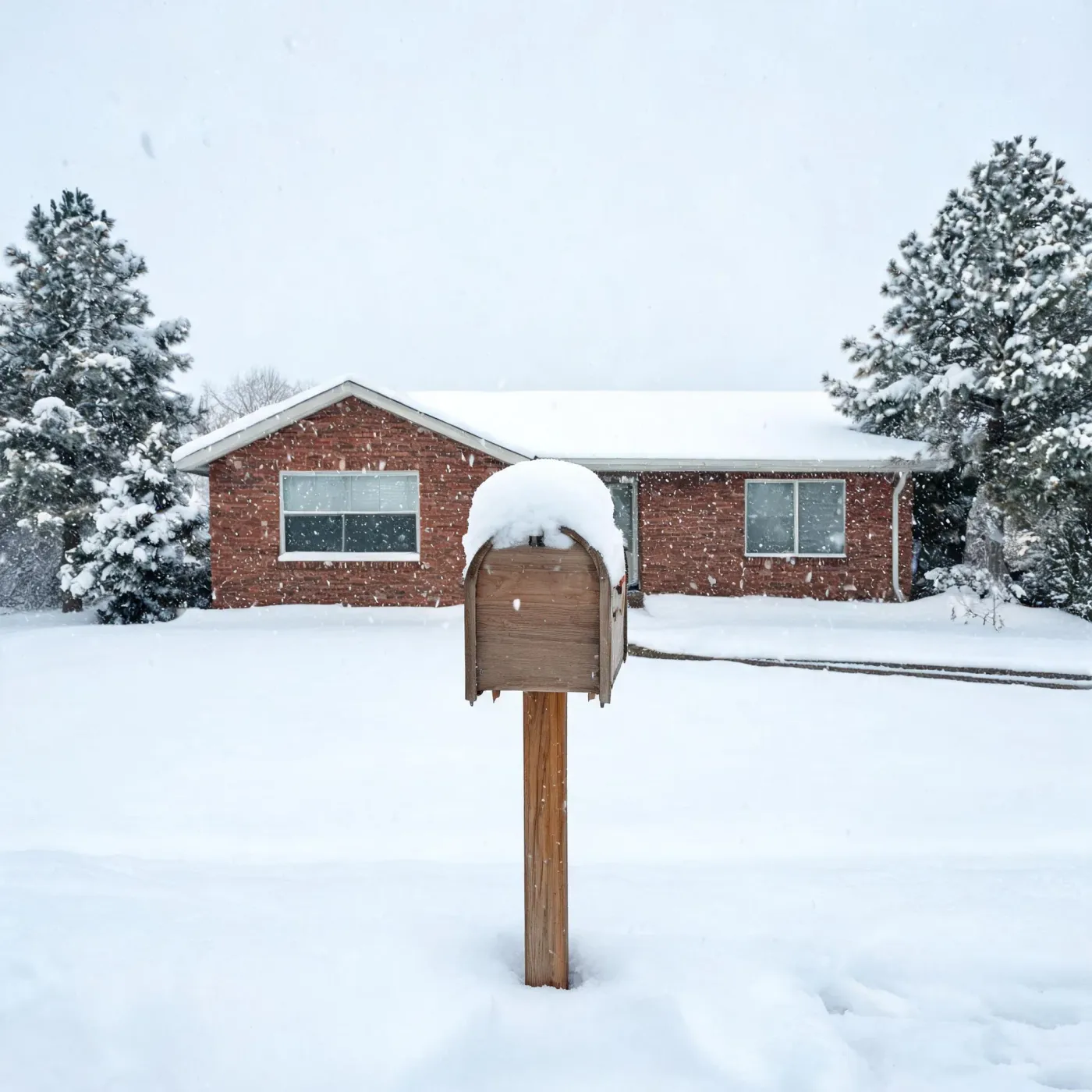
A wooden mailbox on a post topped with a thick layer of snow stands in a snow-covered yard in front of a single-story brick house with a snowy roof, flanked by snow-laden evergreen trees during falling snow.

Overnight lows here average 10°F across December, January and February, according to NOAA climate data for Olmsted County. That's cold enough that your heat pump spends most of the night pulling heat out of air that has almost none to give up. The compressor runs long stretches without shutting off, and backup heat kicks in more often to cover the gap. If you're hearing the system run from the time you go to bed until morning, that's what a 10°F night does to it. The question worth asking isn't whether it's running long. It's whether your house is still warm when you get up.

NOAA nClimDiv 1991-2020

A closed silver laptop and a glazed ceramic mug on a wooden table, with a blurred kitchen counter, potted plant, cutting board and window in the background.

So is your heat pump actually broken?

Long runtime on its own isn't the problem. If your house still reaches the temperature on the thermostat, even on a 10 degree night, the system is doing what it's built to do out here. The trouble starts when it runs that long and the house still doesn't warm up, or the backup heat is carrying the load every night instead of just the coldest ones. That's a system with something actually wrong with it: a dirty coil, a low charge, a reversing valve that's stuck.

Figuring out which one you have isn't something you can tell from the thermostat. It takes someone out to your house with gauges on the unit. Rather than calling around Olmsted County and explaining the same symptoms to three different companies, you can get matched with one licensed contractor local to Rochester who works on heat pumps all winter and knows which of these failures shows up most on nights like the ones you've been having.

A dark ceramic mug on a round wooden table beside a light grey sofa with a woven cushion and knit throw, with a window, potted plant, floor lamp and wooden cabinet blurred in the background.
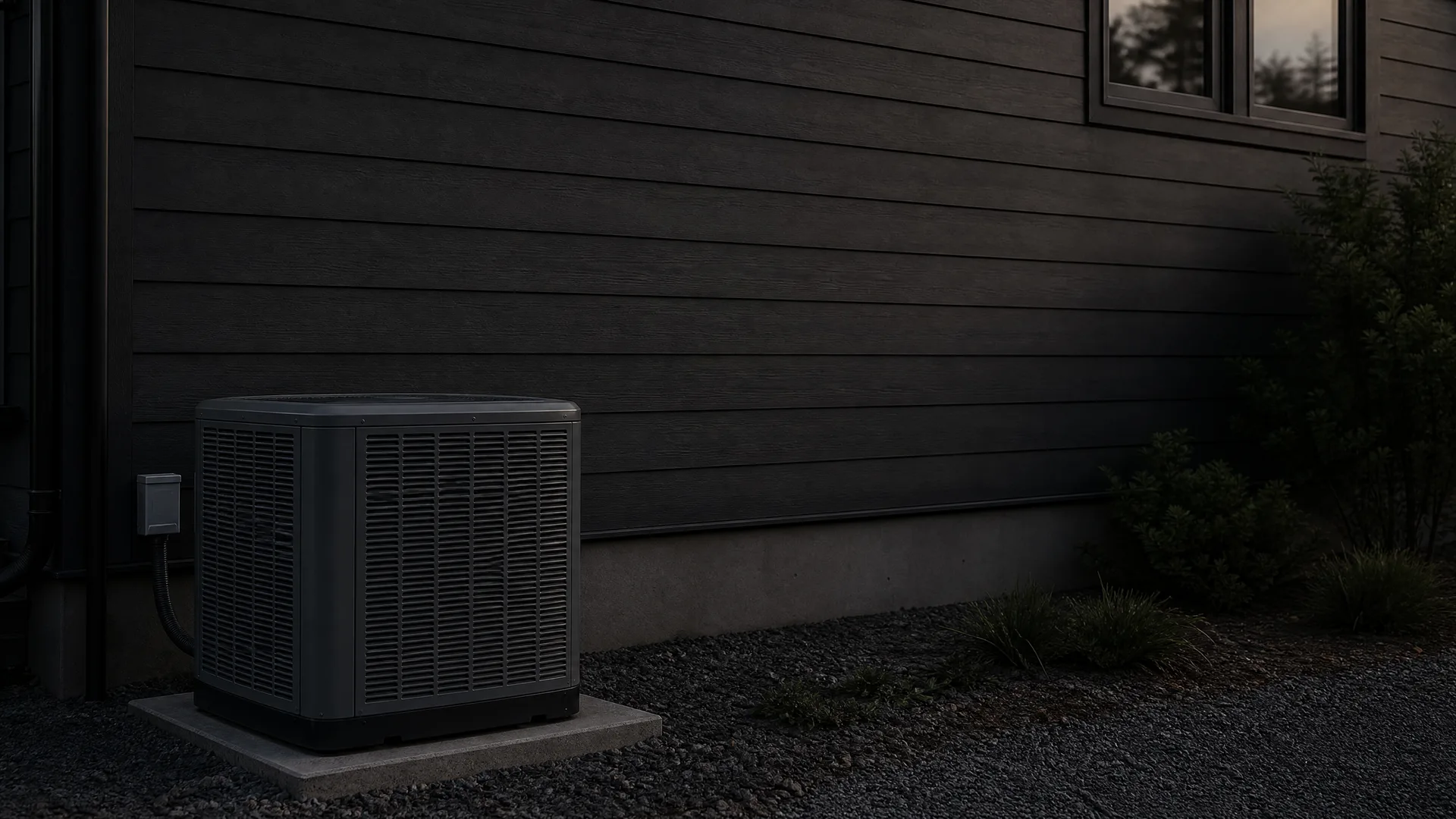
An outdoor condenser unit on a concrete pad beside a dark horizontal-lap-sided house, with gravel, shrubs and a small electrical disconnect box on the wall, in dim light.

Skip calling around

The pro who gets in touch is licensed in Minnesota and works in Olmsted County.

RepairHeat PumpOlmsted County, MN
Step 1 of 2

What ZIP code is the job in?