






An outdoor air conditioning condenser unit mounted on a concrete pad next to a blue-sided residential house at sunset.

AC Installation in Long Prairie, MN

Tell us about the job

Takes about a minute. No obligation.

New system or replacementCentral ACTodd County, MN
Step 1 of 2

What ZIP code is the job in?

Propane heats more homes in Todd County than anything else, at 33.2 percent. Utility gas is close behind at 29.6 percent, and electric heat covers 19.4 percent of homes here. None of that decides your AC, since central air runs on electricity no matter what heats the house. But it does mean your air handler or furnace blower is probably paired with a propane or gas furnace, and a new AC install usually means matching the coil to that existing furnace rather than replacing both. If your home runs on electric heat already, the installer is working with a heat pump or an electric furnace instead, and the coil sizing works a little differently.

2 months
July through August, your air conditioner is on duty
78°F
the average summer afternoon it cools against
41 hail events
in ten years, and hail bends the fins on outdoor coils
13.4 SEER2
the federal minimum any new unit must meet
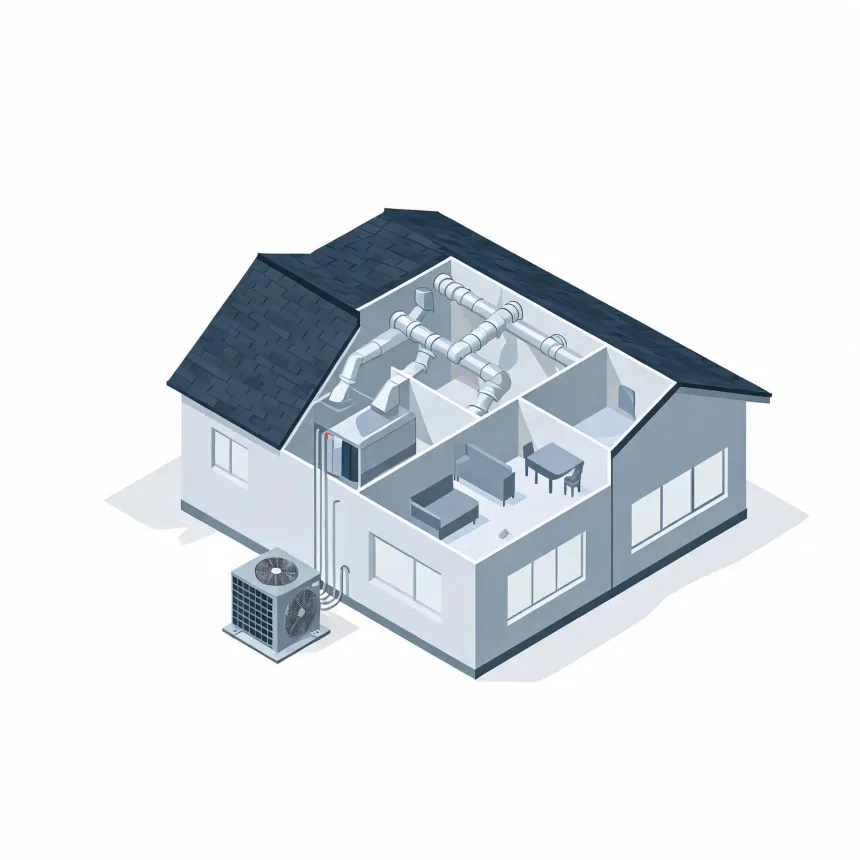
Isometric illustration of a cutaway single-story house showing attic ductwork, an indoor air handler, interior rooms with furniture, and an outdoor condenser unit connected by lines, on a white background.
Your air conditioner works hardest from July through August.

NOAA nClimDiv, 1991–2020 normals

Electricity here runs 15.45 cents a kilowatt-hour, close to the national average.

A correctly sized system is what keeps that bill reasonable, not an oversized unit.

A standard system is the right call here

Half the homes here were built by 1975
Cooling runs July through August
Summer afternoons average 78°F
Get it in before JulyCooling in Todd County runs July through August, so June is the month to have it done.

Long Prairie gets two months of cooling, July and August, with afternoon highs averaging 78 degrees. That is not a lot of hours on the compressor over a year. A system here is not fighting the kind of heat that wears down equipment in the South, so it does not need top-tier efficiency to earn its keep. What matters more is sizing it right for the house and picking a unit built to handle the wind and hail that come through this county. Reliable and well matched beats top-of-the-line when the cooling load is this light.

A new system here starts at 13.4 SEER2

Todd County falls in climate zone 6A, and any split-system AC installed here has to meet a federal minimum of 13.4 SEER2. That floor is already built into what manufacturers ship, so it narrows the field rather than complicating it. Get the sizing and installation right and a system at that rating runs fine against two months of Minnesota summer.

Find a contractor
A man in a tan jacket, cap, and work boots carries a canvas tool bag up wooden porch steps toward a dark green front door of a house with light horizontal siding and a potted shrub.
An outdoor air conditioning condenser unit mounted on a concrete pad beside a house, with electrical conduit running to a wall-mounted disconnect box.

Idle most of the year, not built for it

A compressor that sits idle most of the year still ages while it sits. Refrigerant oil settles to the bottom of the compressor shell instead of staying circulated, and rubber seals and gaskets stiffen when they're not being flexed by moving parts. The first startup after a long stretch of doing nothing puts more strain on a compressor than steady running does. That's one reason a correct charge and a clean startup matter more than they would on a system that ran most months of the year. Get the refrigerant weight and airflow right at installation and the compressor is protected whether it just started back up or has been running for weeks straight.

The old unit comes out first

The installer disconnects the refrigerant lines, pulls the old condenser and coil, and recovers whatever refrigerant is left inside rather than venting it. Older systems often ran on refrigerant that is no longer produced, so that gas gets captured and handled separately. The copper lines and electrical whip usually get reused if they're in good shape, which is part of why matching the new coil to what's already there matters.

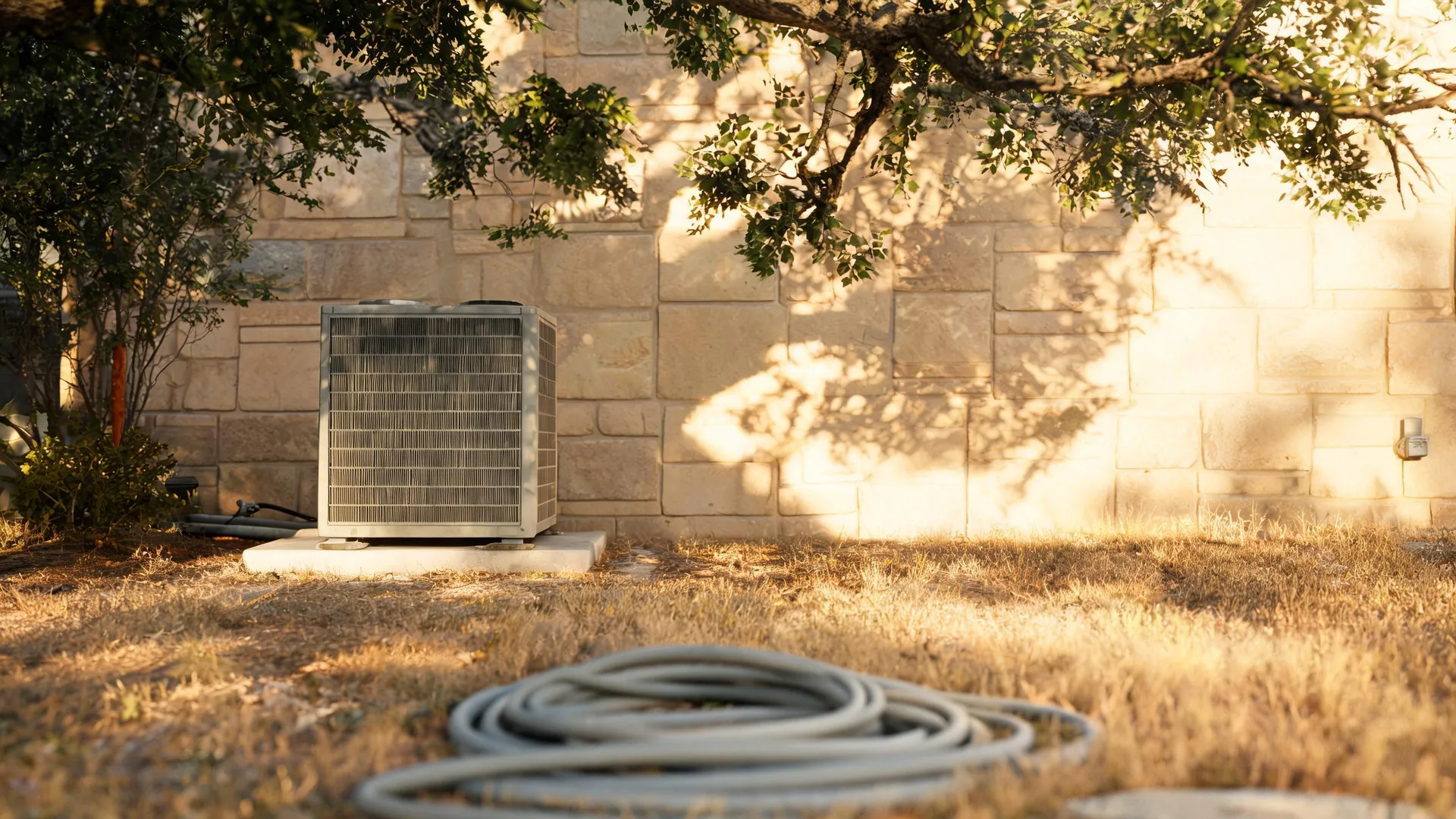
The equipment gets recycled, not landfilled

A condenser is mostly steel and copper, and scrap haulers pay for both, so old AC equipment almost always gets broken down for metal rather than thrown out whole. The compressor, coil and cabinet get separated at a recycling facility. None of this is something the homeowner has to arrange. It happens as part of the swap, usually the same day the new system goes in.

An outdoor air conditioning condenser unit installed beside the exterior wall of a blue vinyl-sided house at sunset.

Going above the federal minimum saves little here, about $10 a year.

  • A higher-efficiency unit$100 a year
  • A new unit at the federal minimum, 13.4 SEER2$110 a year

Estimates for a typical Todd County home, from EIA household energy data, Minnesota fuel prices and NOAA climate normals. Your home will differ.

Installation day starts with the refrigerant lines and ends with a test run, and most of the time in between goes to things you won't see. The installer sets the new condenser on a pad outside, levels it, and runs new line set if the old one doesn't match the coil going in. Inside, the coil goes in above or beside the furnace, and that connection has to be tight since a bad seal there is where a system loses its charge slowly over the first year instead of failing outright. Once everything's connected, the lines get pulled down to a vacuum to clear out air and moisture before any refrigerant goes in, because either one left behind turns to acid in the system over time. Then it's charged to the exact weight the manufacturer specs for that line length, not just until the gauges look right. The last part is running the system through a full cycle, checking the temperature split between the air going in and the air coming out, and confirming the thermostat is actually talking to the new equipment before anyone leaves.