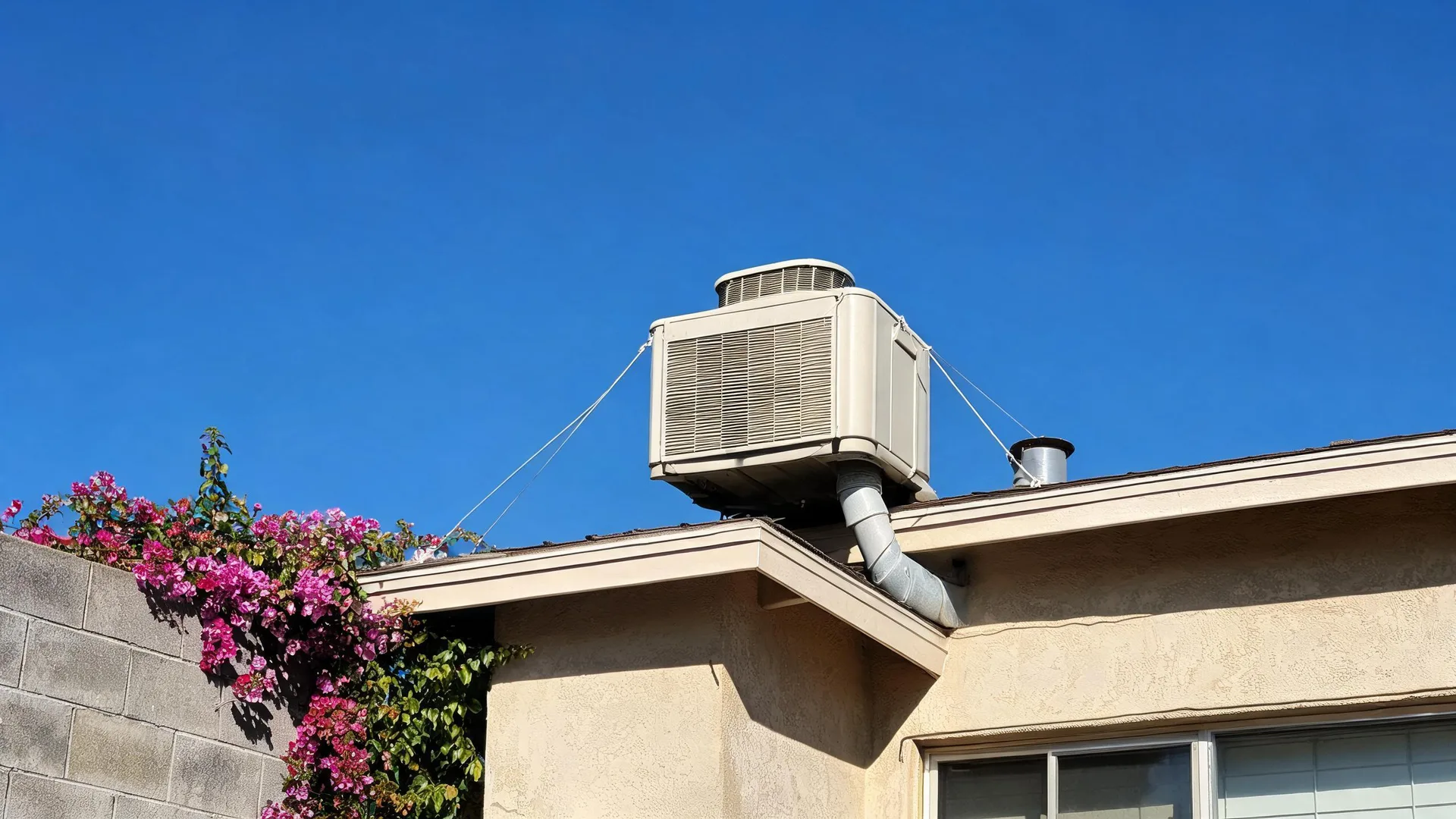
Most of Rochester heats with gas
Utility gas heats 71.5% of homes in Olmsted County, more than any other fuel. Electricity is a distant second at 18.1 percent, and LP gas covers 7.8 percent.
Takes about a minute. No obligation.
Utility gas heats 71.5% of homes in Olmsted County, more than any other fuel. Electricity is a distant second at 18.1 percent, and LP gas covers 7.8 percent.
When a home already has a gas furnace, central air installation usually means matching a new outdoor unit and coil to that furnace's blower rather than rethinking the whole system.

NOAA nClimDiv, 1991–2020 normals
A standard-efficiency system cools a Rochester home the same as a premium one.
At 15.45 cents a kilowatt-hour, there's no local rate that makes paying more for efficiency pay off faster here.



June through August is when cooling runs here, three months a year. May is the quiet month before that starts, and it's the better time to put in a new system. A contractor can take the time to size the outdoor unit and coil to your furnace's blower without rushing. Wait until June and you're scheduling around the first hot week, same as everyone else whose system picked that week to fail. Installed in May, the system is just sitting there ready when the first warm day comes.
A standard-efficiency system, sized to match your furnace's blower, cools fine through a Rochester summer. Three months of cooling and afternoon highs averaging 79 degrees don't call for extra capacity or a premium unit. Put the money into a correct installation instead.
Find a contractor
Ask how long the compressor and coil are warrantied, and whether that warranty needs the unit registered within a set time after install. Ask what happens if the outdoor unit and the coil come from different manufacturers. Mismatched equipment can still run, but it won't be covered the same way, and nobody wants to find that out after a breakdown. Ask what maintenance the warranty requires to stay valid, because some manufacturers want proof of annual service before they'll honor a claim. A system that sits outside through every season earns its keep slowly. The one that's easy to service, with a filter you can actually reach and a contractor who stands behind the install, is the one that's still running well after the novelty of a new unit wears off.
A contractor disconnects the refrigerant lines, recovers whatever refrigerant is left in the system, and removes the old condenser along with the coil if it's being swapped too. That refrigerant has to be captured, not vented, so factor that step into the job even though you won't see it happen.
Matching a new outdoor unit to an old coil can work, but most of the time the coil gets replaced along with it. A mismatched coil can shorten the life of the new compressor, so if your furnace and indoor coil are original to the house, expect the installer to pull the coil along with the condenser outside.
Estimates for a typical Olmsted County home, from EIA household energy data, Minnesota fuel prices and NOAA climate normals. Your home will differ.
What you pay for mostly comes down to labor and how much the install deviates from a straight swap. Setting the refrigerant lines, matching the coil to the furnace's blower, getting the condenser pad level, wiring the disconnect, all of that takes time whether the unit is basic or top of the line. The equipment itself is only part of the bill. A straightforward replacement, same location, same ductwork, same line set, costs less than one where the old coil doesn't match the new condenser or the lines need rerouting. Higher-efficiency units cost more up front and sometimes need a bigger or different disconnect and wiring, which adds to the job. The size of the system matters too. An oversized unit costs more to buy and install than one sized right for the house, and it won't cool any better for the extra money.