




A low-angle view across a mown lawn and trimmed hedge toward a dark two-story house with a covered porch, framed by large leafy trees under an overcast sky.

Heat Pump Repair in Rochester, MN

Tell us about the job

Takes about a minute. No obligation.

RepairHeat PumpOlmsted County, MN
Step 1 of 2

What ZIP code is the job in?

A heat pump here works in both directions, pulling heat out of the house all summer and hunting for heat outside to bring in all winter. The outdoor unit sits exposed to whatever the weather does. Olmsted County has seen damaging wind 92 times and hail 91 times between 2015 and 2024, and that unit takes all of it directly: a bent fin, a cracked blade, a dented cabinet. Summer adds its own strain. The dew point here averages 60°F across June, July and August, which means the coil is pulling real moisture out of the air on top of cooling it. That's more load than the air temperature alone would suggest. When the system starts short cycling, running without shutting off, or blowing air that's not quite right, something specific has worn out or come loose, and it's worth finding out which part before assuming the whole unit is done.

9 months
September through May, your system heats
3 months
June through August, it cools
10°F
the average winter night it heats against
79°F
the average summer afternoon it cools against
Isometric line illustration of a cutaway house showing interior rooms with furniture, ceiling ductwork connected to an indoor air handler, and a line running outside to an outdoor condenser unit.
Your system heats September through May and cools June through August.

NOAA nClimDiv, 1991–2020 normals

Half the homes in Olmsted County were built in 1989 or later.

A heat pump that age still has years in it, so a repair is usually the right call before replacement comes up.

Nine months of heat, three months of cooling, and almost no season off

Cooling runs June through August
Heat runs September through May
92 damaging wind events from 2015 to 2024

A heat pump that's struggling doesn't just run longer, it costs more doing it. Electricity in Olmsted County averaged 18.20 cents per kilowatt-hour in 2025, higher than most of the country pays. A heat pump leans on electricity for everything it does, both pulling heat out in summer and hunting for it outside in winter. When a part is worn or a coil is dirty, the system draws more power to do the same job, and that shows up on the bill every month it runs that way. Here, where the unit runs most of the year, that difference doesn't stay small for long.

Find out what's actually worn before it costs more to run

A bent fin or a dented cabinet from wind and hail, a worn part from a system that runs most of the year, these don't fix themselves and they don't always announce what they are. Getting the right part diagnosed now is what makes the repair hold.

Find a contractor
A man in a tan jacket, cap, and work boots carries a canvas tool bag up wooden porch steps toward a dark green front door of a house with light horizontal siding and a potted shrub.
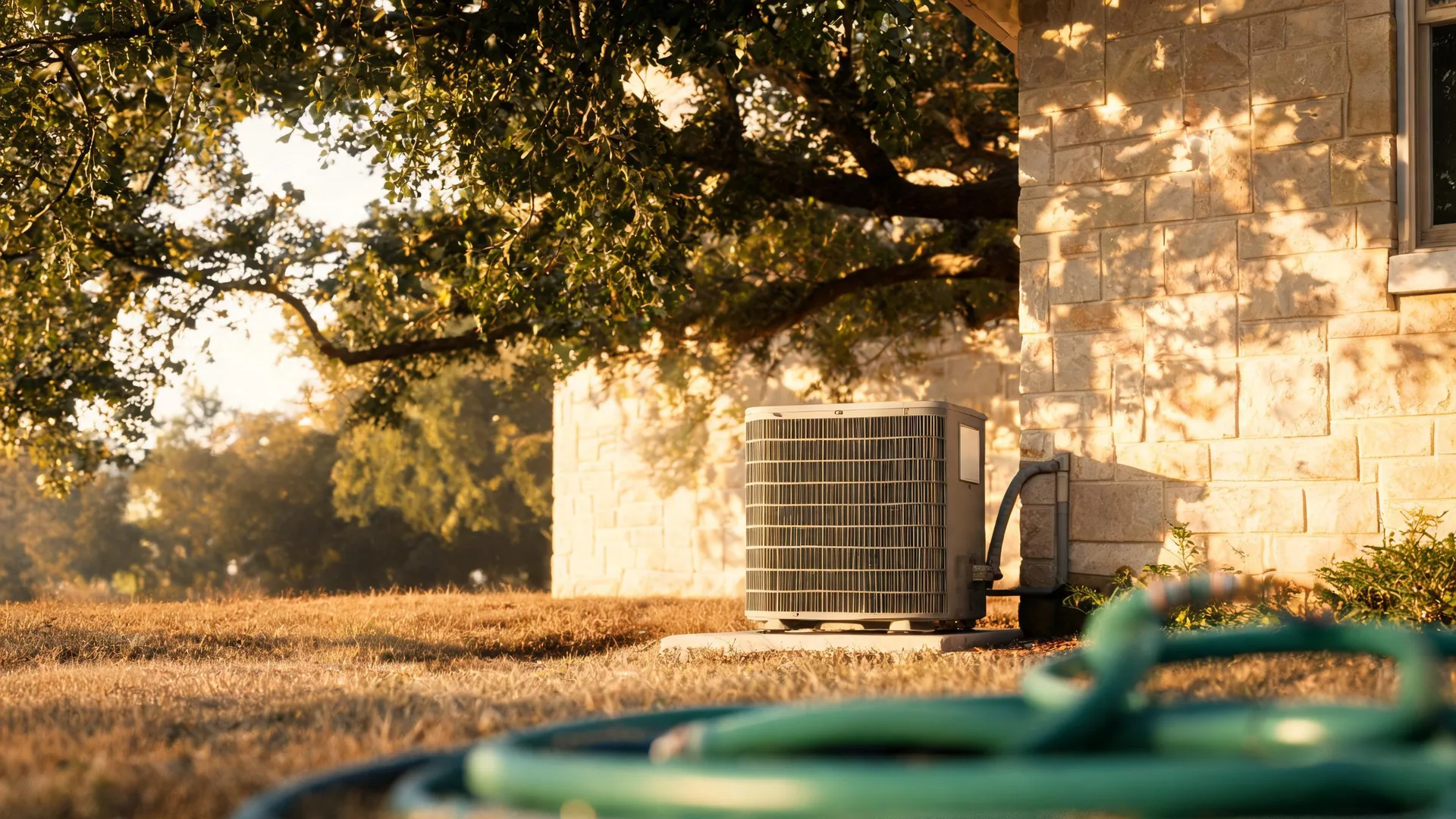
A gray heat pump outdoor unit mounted on a concrete pad next to a residential house with lap siding and stone accents.

Built in 1989 or later? This repair still has years to work for

If your heat pump came with the house, check the year it was built. A system installed with a newer home has a lot of working life banked already, and a repair now is likely to hold for years rather than buy a season. That's worth knowing before a technician even shows up, because it points straight to repair over replacement.

What the system tells you before it fails outright

A heat pump usually gives warning before it quits. Air coming from the vents that's lukewarm instead of properly hot or cold. Ice building up on the outdoor unit that doesn't clear in defrost. A hissing or bubbling sound near the lines, which points to refrigerant escaping somewhere it shouldn't. The outdoor fan running slow or not spinning when the system calls for it. Any of these means a specific part is failing, not that the whole system is on its way out.
Why waiting makes the repair bigger

A heat pump's parts depend on each other. A refrigerant leak left alone makes the compressor work harder to move less heat, and a compressor under that kind of strain wears out early. A dirty coil makes the whole system run longer to hit the same temperature, which pushes every other part to work past what it was built for. The part that fails first is rarely the only part paying for it by the time someone calls for help.

A heat pump that's struggling still gets the house to temperature most of the time, so it's easy to let it ride until the weekend or the next paycheck. That's the wrong read on what's happening inside the system. A compressor working against a refrigerant leak is still moving heat, just at a cost that climbs every hour it runs. Ice on the coil that doesn't clear restricts airflow, and the system responds by running longer, which packs on more ice. None of these faults stay the same size. They feed on the extra runtime the system logs trying to compensate for them, and the part under the most strain is usually the most expensive one to replace. Catching the problem while it's still one worn part is what keeps it from becoming two.

A system drawing extra power doesn't announce itself. The thermostat still clicks on, the house still comes to temperature, and the only sign is a bill that's crept up over a couple of months. That creep adds up faster here than somewhere running the unit half as much, because power costs more in this county and the system rarely gets a break from working. The fix isn't to watch the bill and wonder about it. Getting the worn part found and swapped now is what stops the system from working harder than it should to do the same job, month after month.