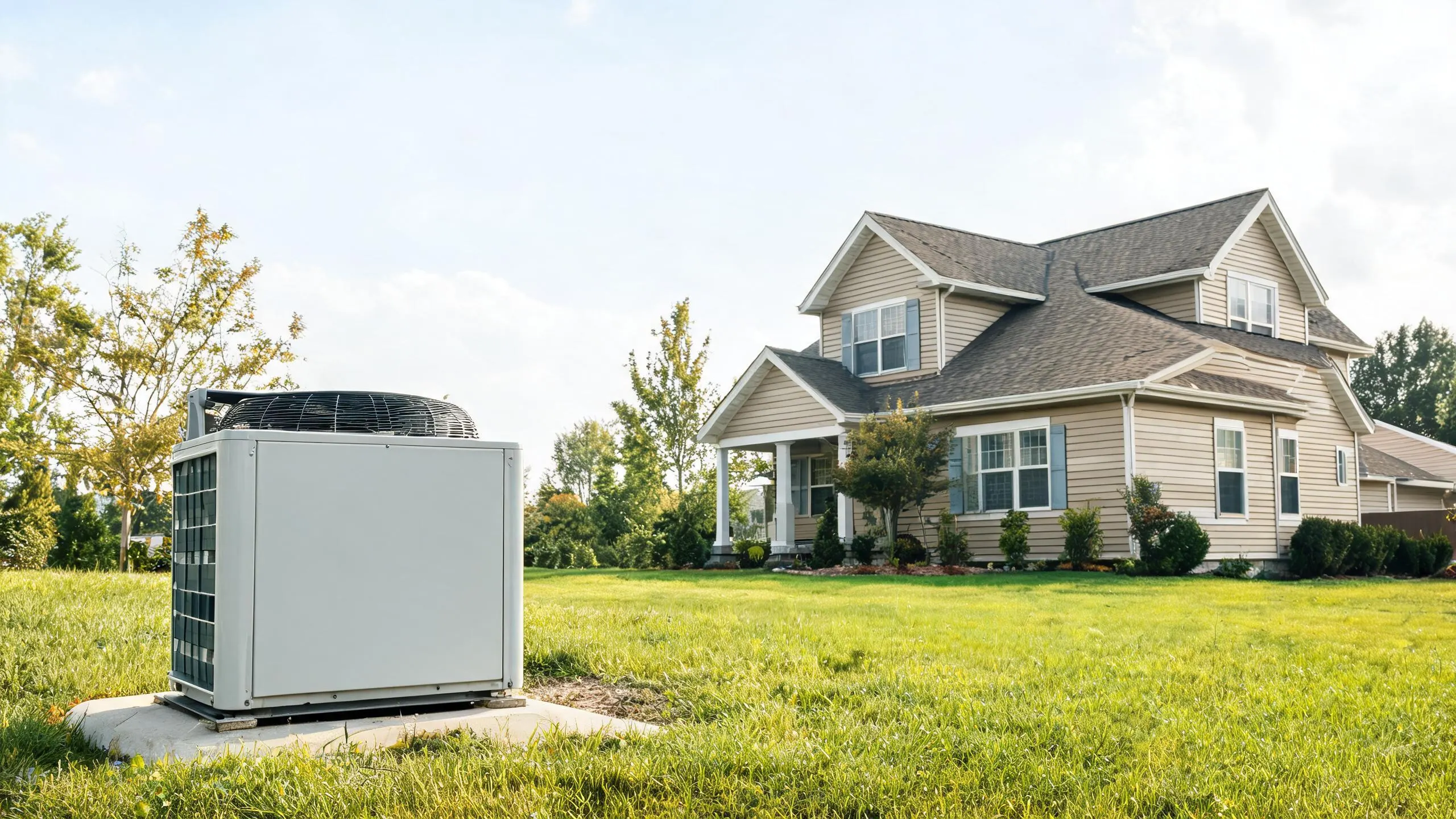






An outdoor HVAC condenser unit on a concrete pad in front of a two-story suburban house.

Heat Pump Repair in Cloquet, MN

Tell us about the job

Takes about a minute. No obligation.

RepairHeat PumpCarlton County, MN
Step 1 of 2

What ZIP code is the job in?

A heat pump in Carlton County earns its keep both ways, pulling heat out of the air all winter and pushing it out all summer. Carlton County has seen winter storms 54 times between 2015 and 2024, heavy snow and ice that keep the outdoor unit working through conditions it can't avoid. The summer side is easier here. The dew point averages 56°F across June, July and August, lower than most of the country sees, so the unit isn't fighting heavy, wet air the way it would further south. It's the cold months that put the strain on it, running long hours to keep a house warm through a hard winter. When a part fails, that uneven load is usually part of why. A proper diagnosis finds the actual cause instead of just swapping the part that quit.

9 months
September through May, your system heats
1 months
July through July, it cools
4°F
the average winter night it heats against
76°F
the average summer afternoon it cools against
Isometric line illustration of a cutaway house showing interior rooms with furniture, a furnace or air handler with overhead ductwork, and an outdoor condenser unit connected by lines outside the wall.
Your system heats September through May and cools July through July.

NOAA nClimDiv, 1991–2020 normals

A heat pump that keeps running but never quite reaches the set temperature is usually low on refrigerant or losing capacity in the outdoor coil.

That gap between the set temperature and the room gets written off as normal until the day the system can't close it at all.

At 16.60 cents a kilowatt-hour, a struggling heat pump runs up your bill every month it goes unfixed

Power here costs 16.60 cents per kilowatt-hour
52 damaging wind events from 2015 to 2024
45 hail events from 2015 to 2024
September Is When It Finds the Weak PartHeat runs September through May here, and the first cold snap is what breaks a system that was already struggling.

A heat pump that's lost capacity doesn't trip a breaker or shut itself off. It just runs longer to make up the difference, and in Carlton County that means long winter stretches where it's already working hard to begin with. Those extra hours show up on the power bill long before the system quits outright. Waiting for a full breakdown usually costs more than having it looked at while it's still running, just poorly. If the house isn't holding temperature the way it used to, that's the signal to get a contractor out now instead of next month.

Have the Real Problem Found Before It Finds Itself

The strain on this system comes from winter, not summer, and that's exactly when a worn part gets found out. A heat pump that's already running long hours to fight the cold doesn't have much room left when something starts to go. Getting it diagnosed now means finding the part that's actually failing, not just the one that finally gave out.

Find a contractor
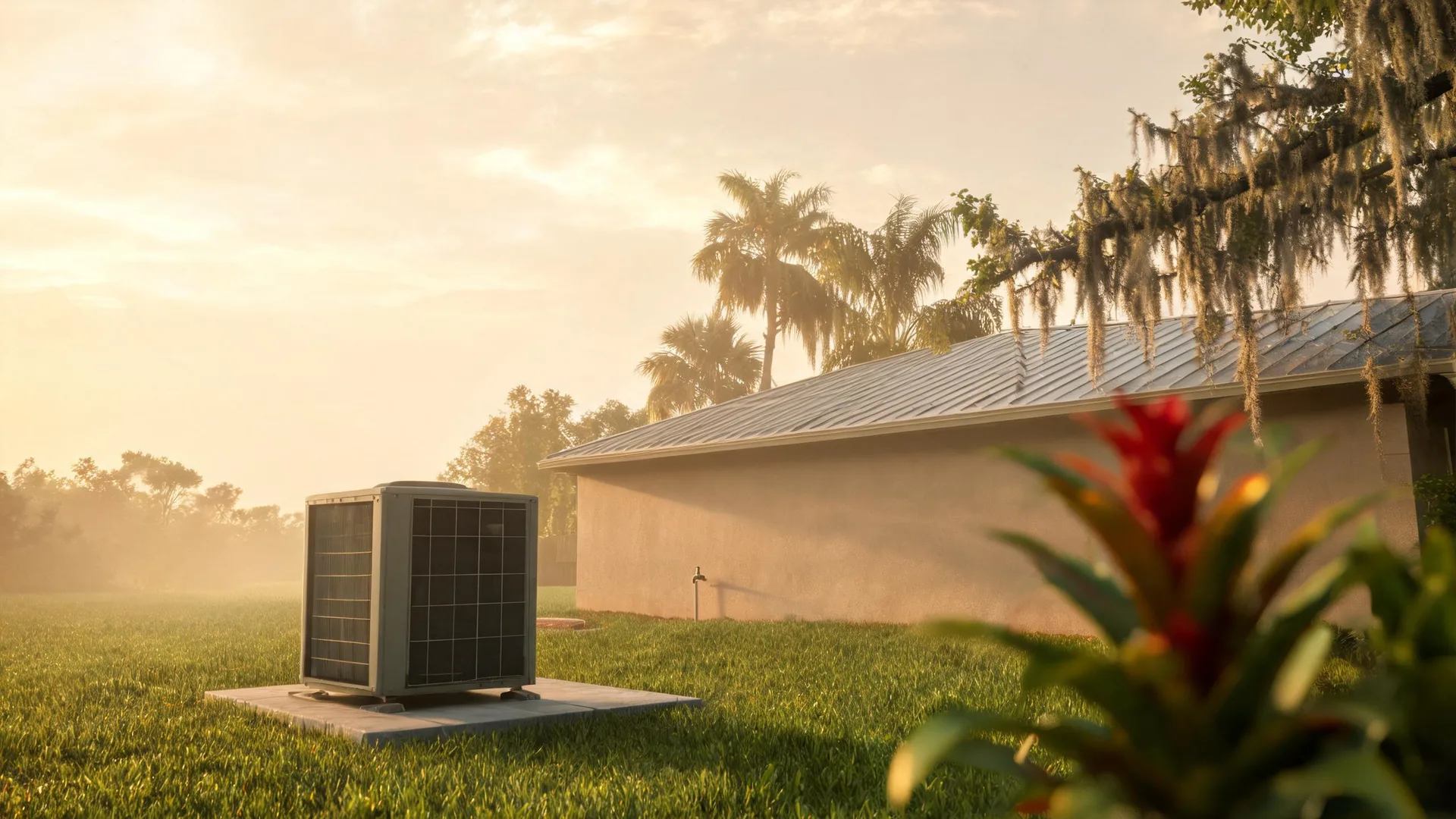
A gray heat pump condenser unit mounted on a concrete pad against the gray lap-siding exterior wall of a house.

Running Through a Problem Doesn't Fix It

A heat pump that's struggling still has to meet the thermostat, so it leans on whatever is left. A compressor working harder than it should runs hotter, and heat is what wears compressors out. A fan motor with a bad bearing keeps spinning because the system needs the airflow, and that bearing only gets worse under load. Weak refrigerant charge makes the compressor work harder to move the same amount of heat, which raises its operating temperature every hour it runs. None of this shows up as a shutdown. The system keeps going because stopping isn't one of its options, and every hour it runs in that state is an hour closer to the part failing outright instead of just underperforming.

What You Can Check Yourself

Look at the outdoor unit first. If snow or ice has built up around the coil or the fan isn't turning, that alone can stop a heat pump from keeping up. Check the air filter next, since a clogged one chokes airflow and makes the whole system work harder than it needs to. Inside, make sure no vents are closed or blocked by furniture. Last, check the thermostat batteries and settings. Some heat pumps have an emergency heat setting that gets switched on by accident, and that changes how the system runs.
What To Leave Alone

Don't open the outdoor unit's cabinet or touch anything inside it. Refrigerant lines, electrical connections and the compressor itself aren't safe to handle without training, and a wrong move there turns a repair into a bigger one. If you see ice covering the coil rather than just frost, don't chip at it. Turn the system off and let it thaw, then call. Forcing a frozen unit to keep running is how a fan motor or compressor gets pushed past what it can take.

Most heat pump failures trace back to a handful of parts, and they fail for reasons that build slowly. The capacitor that gets the compressor and fan motors started weakens over years of cycling until one day it can't deliver the jolt needed, and the unit just hums or doesn't start at all. Contactors wear from the arcing that happens every time they close, and a pitted contactor eventually sticks or fails to make contact. The reversing valve, the part that switches the system between heating and cooling, can stick in one position, especially if it doesn't get exercised often. Refrigerant leaks develop at joints and fittings over time, and low charge forces the compressor to work harder to move the same amount of heat. None of these announce themselves ahead of time. They show up as reduced output, strange sounds, or short cycling, and by the time the system won't run at all, the part has usually been struggling for a while.

A repair is worth making when the compressor, reversing valve and major parts are sound and the problem is down to one component. A replacement starts to make more sense when the compressor itself is failing, since that part costs the most to swap and carries the rest of the system's value with it. Age matters less than how the system has been running. A unit that's needed two or three repairs in as many years is telling you something a single repair won't fix. If a contractor finds that refrigerant has been low for a while, ask what caused the leak before agreeing to just add more. Replacing the charge without fixing the leak means paying for the same repair again.