





A illuminated two-story red brick house on a quiet residential street at dusk, flanked by mature trees under a deep blue evening sky.

Heat Pump Repair in Shakopee, MN

Tell us about the job

Takes about a minute. No obligation.

RepairHeat PumpScott County, MN
Step 1 of 2

What ZIP code is the job in?

Winter mornings here average 10°F, and that's the range where a heat pump has to work hardest to pull heat out of the outside air. Scott County has also seen 35 winter storms, heavy snow, ice and blizzards, over the past ten years, and all of that lands on the outdoor unit. Ice on the coil, a struggling defrost cycle, a fan motor worn down from months of hard running, these are the kinds of problems that come from a machine that never really gets a break. A proper diagnosis finds which part actually gave out, instead of guessing.

8 months
October through May, your system heats
3 months
June through August, it cools
10°F
the average winter night it heats against
80°F
the average summer afternoon it cools against
Isometric cutaway illustration of a single-story house showing interior ductwork, an indoor air handler and furnace unit, and an outdoor condenser connected by a line, on a white background.
Your system heats October through May and cools June through August.

NOAA nClimDiv, 1991–2020 normals

Half the homes in Scott County were built in 1997 or later.

If your heat pump came with a newer house, the wear it's showing is likely from the work it does here, not its age.

A heat pump running on borrowed time costs you more here every month it stays broken

Power costs 15.45 cents a kWh statewide
Climate zone 6A
Cooling runs June through August

At 15.45 cents a kilowatthour, Minnesota electricity isn't cheap, and a heat pump that's lost efficiency burns through more of it just to hold the same temperature. A worn fan motor or a coil that's icing up makes the system run longer to do the same job, and every extra hour shows up on the bill. That cost keeps adding up for as long as the repair waits. Getting a contractor out to find the actual problem stops the bleeding sooner rather than later.

Get the real problem found, not guessed at

Shakopee winters put a heat pump through its hardest work, and storm after storm takes a toll on the outdoor unit. If yours is icing up, short cycling or running longer than it should, a proper diagnosis will find the part that actually failed.

Find a contractor
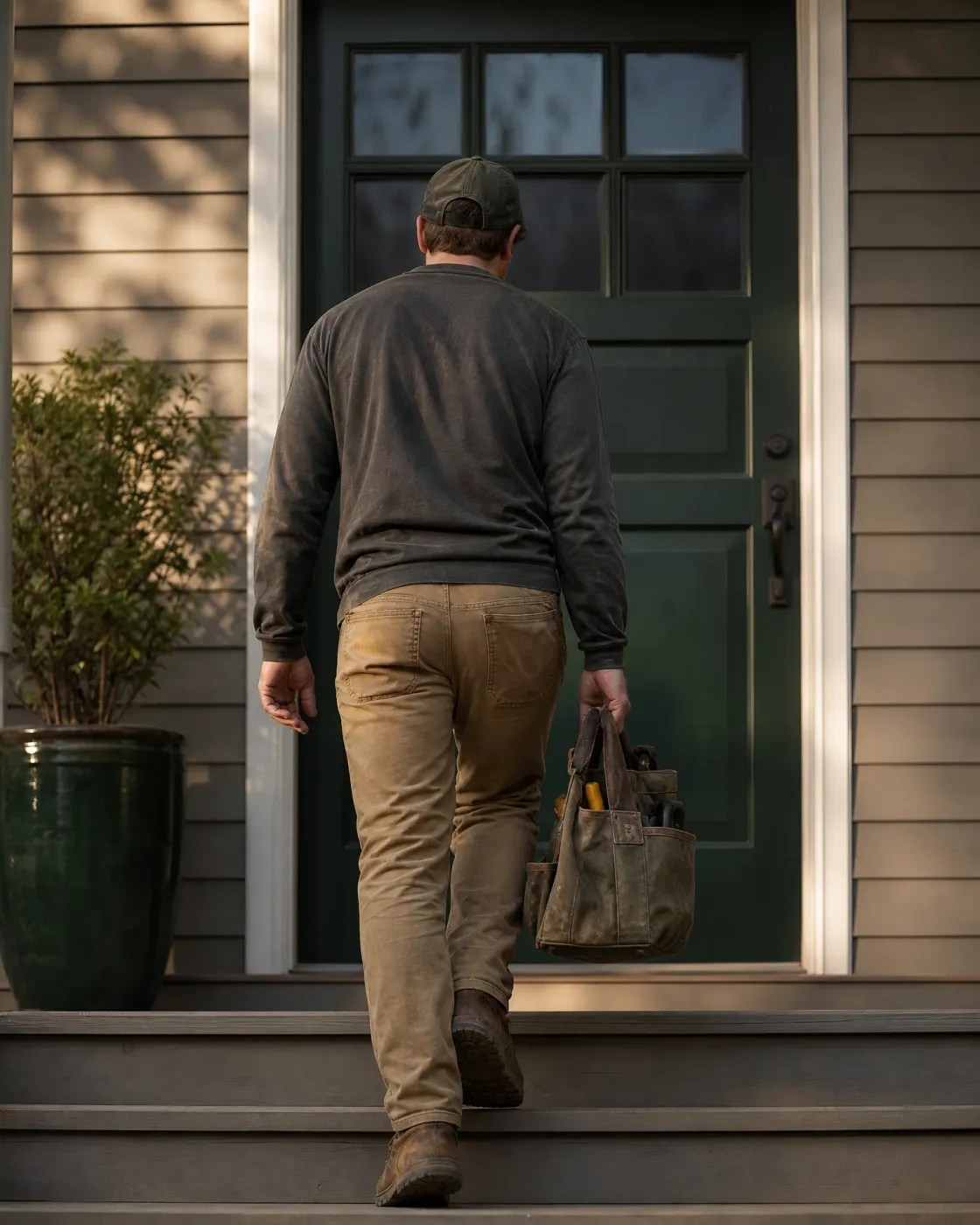
A man in a cap, dark sweatshirt and tan work pants, seen from behind, climbs porch steps toward a dark green paneled door while carrying a canvas tool bag.
A gray outdoor HVAC unit mounted on a concrete pad beside a house with gray lap siding and a stone foundation.

What a heat pump sounds like before it fails

A heat pump that's worn out doesn't usually quit outright. It runs longer to hit the same setpoint, the air coming out feels cooler than it used to, and the outdoor unit cycles on and off more than it should. Ice building back up on the coil right after a defrost cycle just finished is another one, that's a sign the cycle isn't clearing the coil the way it's supposed to. Listen for it too. A hum with no fan movement, a click that doesn't catch, a rattle that wasn't there before. None of these mean the system is done. They mean something specific inside it is done, and it's worth finding out what before it takes anything else down with it.

The reversing valve gets blamed first

A heat pump stuck in one mode, blowing cold air when it should be heating, usually points to the reversing valve. It switches the system between heating and cooling. It can fail stuck, leak internally, or stop responding to the solenoid that drives it. Once it fails, the system can't switch modes at all.
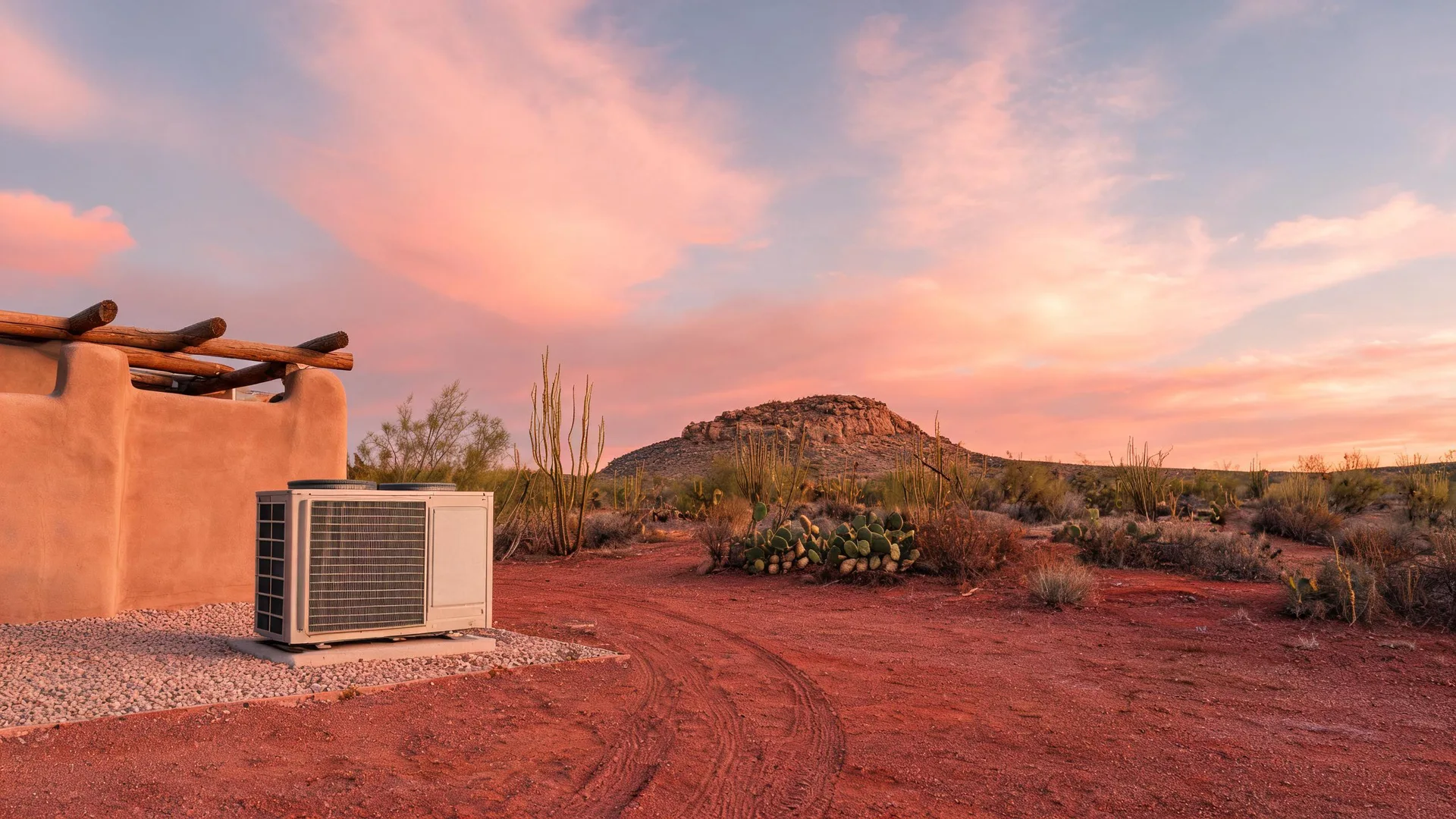
The outdoor coil carries most of the wear

The outdoor coil goes through a cycle no indoor part deals with. It gets cold enough to frost over, then has to reverse and heat up to melt that frost off, again and again through the season. A refrigerant leak, a bent fin blocking airflow, or a defrost sensor reading wrong all show up here first. Any one of them can bring the whole system down.

Before calling anyone, look at the outdoor unit. If it's buried in snow or packed with ice along the coil, that alone can stop a heat pump from working right, and it's safe to clear away loose snow by hand. Check that nothing is blocking airflow around it, no deck furniture, no overgrown shrub, nothing stacked against the cabinet. Inside, check your thermostat is set to heat and the temperature is actually above room temperature, and swap the air filter if it's been more than a few months, since a clogged filter chokes airflow and makes the whole system work harder. Look at your breaker panel too. A tripped breaker will shut the whole unit down and sometimes that's all it is. If the outdoor fan isn't spinning at all, or you hear it humming but not turning, stop there and let a contractor take it from that point.

A heat pump doesn't fail all at once. Most of the time one part gives out, a capacitor, a motor, a control board, while the rest of the system is still sound. That's a repair. Replacement starts to make sense when the failures don't stop, when fixing one part just means another gives out a few months later, because that pattern usually means the whole system is wearing down at once, not just one piece of it. Age matters more than any single breakdown does. A unit still within its working life is almost always worth fixing. One well past it, breaking down again and again, is telling you something different.