





A quiet suburban street at twilight featuring two-story brick homes with illuminated windows and large trees lining the sidewalk.

Heat Pump Repair in Lakeville, MN

Tell us about the job

Takes about a minute. No obligation.

RepairHeat PumpDakota County, MN
Step 1 of 2

What ZIP code is the job in?

Winter mornings here average 10 degrees, and your heat pump has to pull heat out of air that cold to keep the house comfortable. That's a harder job than most of the country asks of this equipment. Dakota County has also seen 37 winter storms, heavy snow, ice and blizzards, over the past ten years, and each one means longer run times just to keep up. Hail is part of the picture too, denting the fins and cabinet on the outdoor unit over time. All of that wears parts down sooner than they'd wear somewhere milder. If yours is acting up, that's usually why, and a proper diagnosis will find which part gave out first.

8 months
October through May, your system heats
3 months
June through August, it cools
10°F
the average winter night it heats against
80°F
the average summer afternoon it cools against
Isometric illustration of a cutaway single-story house showing interior ductwork and an air handler connected by lines to an outdoor condenser unit on a pad beside the building.
Your system heats October through May and cools June through August.

NOAA nClimDiv, 1991–2020 normals

October is when heat pumps here switch over from cooling to heat.

A weak part that made it through summer often gives out in that first cold stretch.

Half the homes in Dakota County are newer, half the parts underneath them are still good

Half the homes here were built by 1988
102 hail events from 2015 to 2024
37 winter storms from 2015 to 2024

Most heat pump failures start small and get worse because the system doesn't know how to stop and rest. A capacitor that's losing strength will still start the compressor and fan motor most of the time, so it can limp along for weeks before it finally fails to start one cold morning. Contactor points wear down the same way, pitting a little more with every cycle until they stick or stop making contact at all. The outdoor fan motor bearings go through something similar, getting louder and hotter before they seize. What makes heat pumps different from a furnace is the reversing valve. It's the part that switches the system between heating and cooling, and because it works every single cycle in both directions, it takes more wear than almost anything else in the unit. When it starts sticking, the system can't fully commit to one mode or the other.

A broken heat pump costs more to run here than most places

Minnesota electricity ran 15.45 cents per kilowatthour in 2024, and a heat pump that's struggling pulls more of it every time it runs. A failed part doesn't fix itself in the meantime. Get it looked at.

Find a contractor
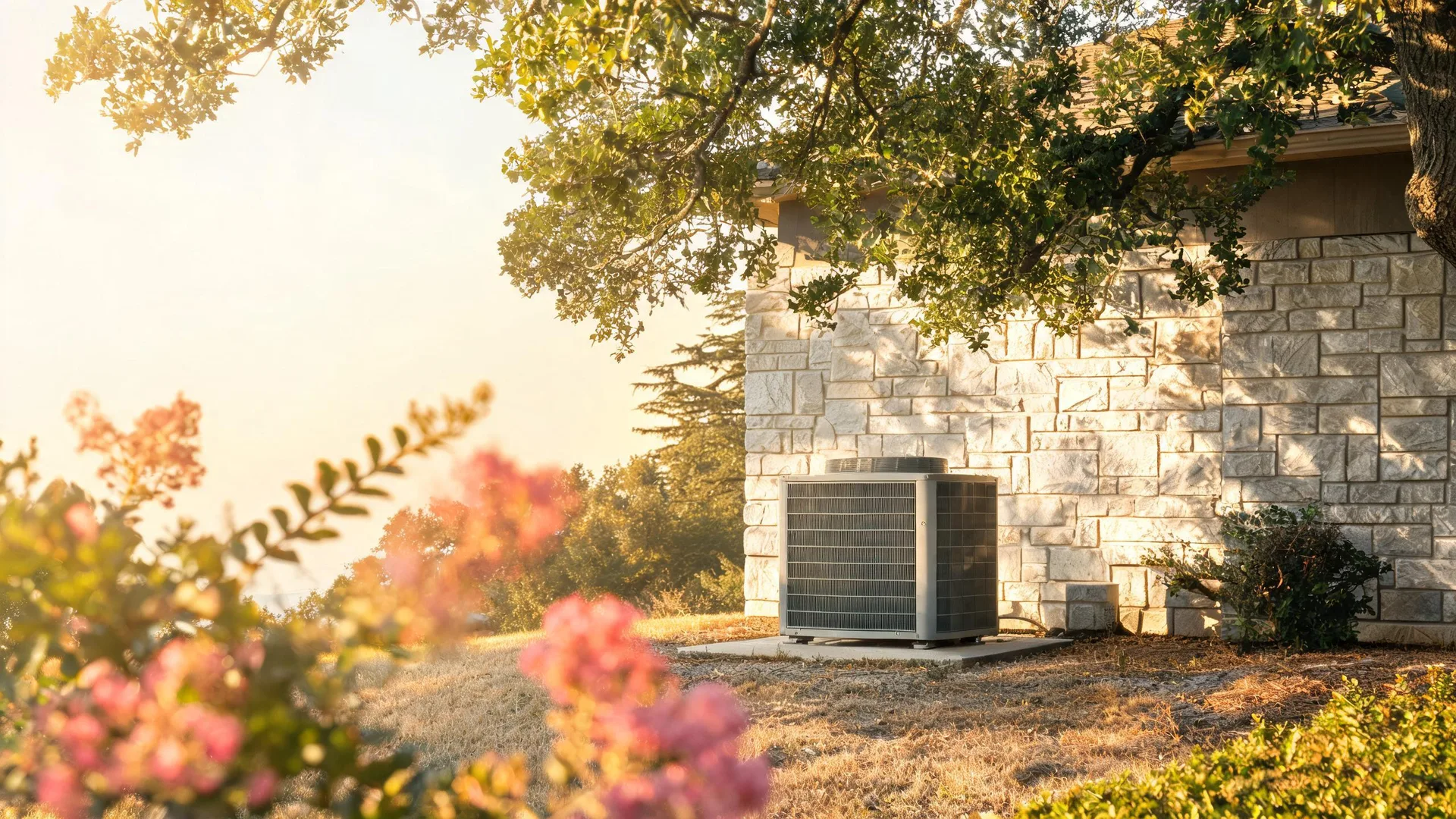
A dark gray heat pump unit mounted on a concrete pad next to a house with gray siding and a stone veneer wall.

What a tech checks first

A diagnostic visit starts outside at the outdoor unit. A tech checks the refrigerant charge. They look at the reversing valve, the part that lets the system switch between heat and cooling. They check the defrost board and sensor, which tell the unit when to melt off frost buildup on the coil. Inside, they check the air handler, the blower motor, and whether the thermostat signal is reaching it the way it should. Most heat pump trouble traces back to one of these. A reversing valve stuck in one position. A defrost sensor reading wrong so the coil ices over and stays iced. A weak capacitor that can't keep the compressor or fan motor running steady. A refrigerant leak that starves the system of what it needs to move heat. A tech works through these in order, ruling each one out until the bad one shows itself. That process is why a visit takes some time even when the part itself is simple to replace. Swapping a part based on a guess, without going through that order, is how the wrong part gets replaced while the real problem stays.

What you can check safely

Look at the thermostat first. Make sure it's set to heat and the set point is actually above room temperature. Check your breaker panel for a tripped breaker on either the outdoor unit or the air handler. Look at the outdoor unit itself. If it's buried in snow or iced over heavily, that blocks airflow and stops it from working right. Check your air filter. A clogged filter chokes airflow through the whole system and can cause icing or weak heat. These take a minute and rule out the simple causes.
What to leave alone

Don't chip or pry ice off the outdoor coil. It's thin metal and bends easily, and a bent coil is a new problem on top of the old one. Don't open the outdoor unit's cabinet or touch anything inside it. The electrical components in there stay energized even when the unit is off. If breakers keep tripping after you reset them, stop resetting them and get it looked at, since that usually means a short or a failing motor drawing too much current.

A heat pump that's icing over or short cycling will keep trying to do its job until something gives. Ice on the outdoor coil blocks airflow, so the unit pulls harder to move the same amount of heat, and that strain lands on the compressor. A refrigerant leak behaves the same way. The system keeps running low on charge, the compressor works harder to compensate, and a slow leak left alone ends with a failed compressor. A reversing valve stuck halfway can let the system heat and cool at the same time, which stresses the compressor further with every hour it runs that way. None of these fix themselves by running longer. They just move the failure from a part that's simple to replace to one that isn't.

A compressor failure is usually what settles the question. The compressor is the most expensive part in the unit, and replacing it alone on an old system often costs close to what a new one runs. Ask the tech what else is showing wear while they've got the cabinet open. A refrigerant leak on an aging coil can mean the coil itself is corroding, and patching one leak just buys time until the next one opens somewhere else. A single repair on a unit that's otherwise sound is worth doing. The same repair on a unit that keeps coming back with new problems is worth a second opinion before you spend the money on it.