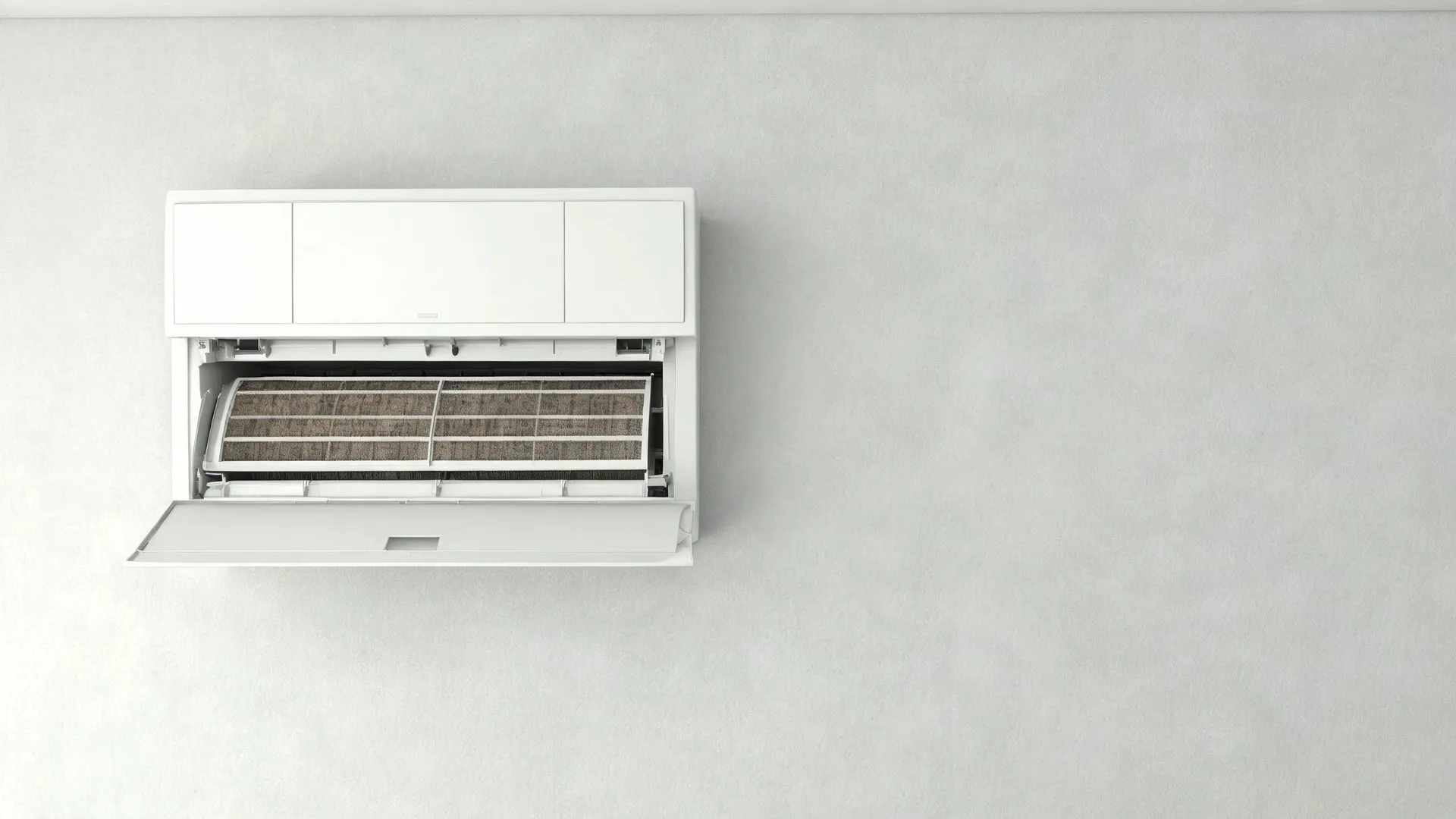
Gas heats most of Minneapolis
Utility gas heats 75% of homes in Hennepin County. A furnace is what most houses here already have, with ductwork built around it.

Takes about a minute. No obligation.
Utility gas heats 75% of homes in Hennepin County. A furnace is what most houses here already have, with ductwork built around it.
Most homes calling for a mini split in Minneapolis already have a furnace doing the heavy lifting through the cold months. The mini split's job is usually a room the ducts don't reach well, or cooling for a house that never had central air.
NOAA nClimDiv, 1991–2020 normals
Cooling here runs June through August.
May is the month to get a mini split installed, before the first hot week fills up the schedule.




A mini split sized for the room it's actually cooling costs less to run than one sized too big. Minnesota electricity ran 15.45 cents per kilowatt-hour in 2024, and a mini split that's oversized for its space cycles on and off more than it should, which wastes power rather than saving it. For the kind of job most homes here need, cooling one room or adding heat to a space the furnace doesn't reach well, a standard-size unit matched to that room is what works. There's no reason tied to this place to size up or pay for a higher efficiency tier than the room calls for.
Hennepin County sees its share of damaging wind, hail and winter storms, and a standard mini split installed and wired correctly handles all of it the same as it would anywhere else. None of that changes what size or tier to buy. A unit sized for the room you need it for is the right call here.
Find a contractor
That age range is what an installer has to work with when running lines from the outdoor unit to the indoor head. A house built in 1973 or earlier was not framed with a mini split in mind, so the wall and the route the line set takes matter more than they would in new construction. That is something a walkthrough settles, not something a spec sheet can tell you ahead of time.
A mini split is sized to the space it has to heat or cool, not to the square footage of the whole house. An installer measures the room, checks the windows and how many exterior walls it has, and works from that. A unit too big for the room cools it fast and shuts off, then starts again a few minutes later, and never runs long enough to pull moisture out of the air. A unit too small runs constantly and still can't keep up on the hottest days.
Homeowners comparing quotes often assume bigger is safer, so they end up accepting a unit sized above what the room needs. That short-cycling wears on the compressor over time the same way constant starts wear on a car engine more than steady driving does. The right size runs longer stretches at a lower output, which is both what keeps a room comfortable and what keeps the equipment lasting.
When you're comparing quotes, ask what SEER2 and HSPF2 rating each system carries, since those numbers tell you how much the unit costs to run over a season, not just its sticker price. Ask whether the quote includes a line set cover or just bare refrigerant lines run along the wall, because that affects both how it looks and how well it's protected outside. Ask how many indoor heads the outdoor condenser can support, since a single-zone system and a multi-zone system use different compressors and aren't interchangeable later if you want to add a room. Ask what the warranty covers on the compressor versus the parts, and whether it requires the installer to register it. Ask how the installer arrived at the size they're quoting, room measurements and window count, not a flat number pulled from square footage. A contractor who can answer these without hesitating is one who sized the job properly instead of guessing.
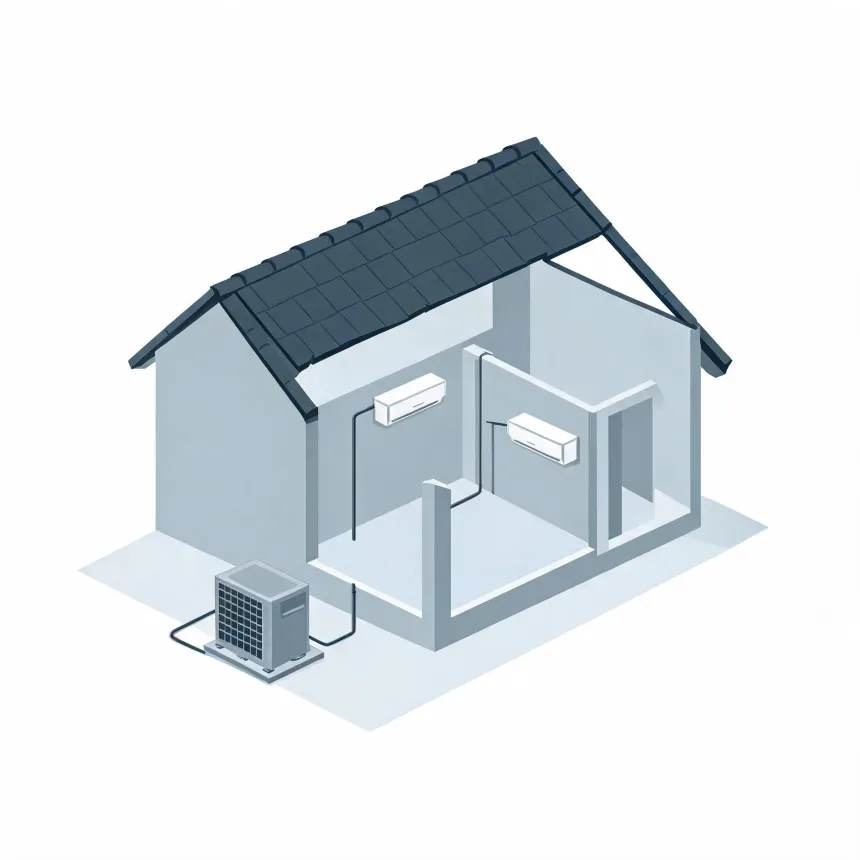
Installation day starts with the outdoor unit and where it sits. It needs clearance on all sides for airflow and a solid, level pad or bracket to mount to, so an installer picks that spot before touching the inside wall. Next comes the indoor head, mounted high on the wall, and a small hole drilled through to the outside for the line set, the refrigerant lines, drain line and electrical wiring bundled together. Once the lines are run and connected, the system gets evacuated with a vacuum pump to pull out air and moisture before the refrigerant is released into the lines. That vacuum step matters more than people expect, since any moisture left in the lines can damage the compressor down the road. After that, it's a matter of powering it on, checking refrigerant pressure, and testing both heating and cooling before anyone calls the job done.