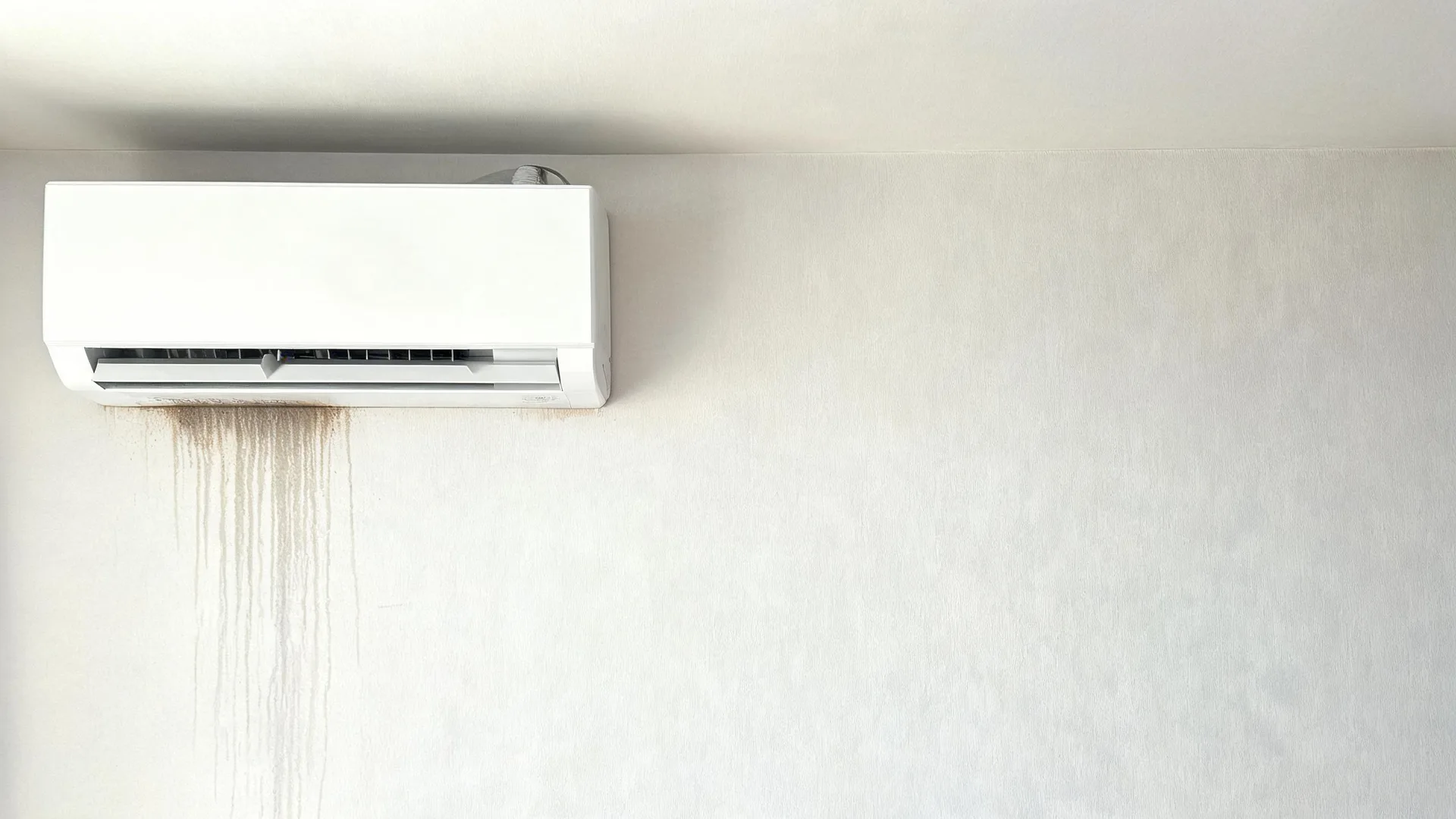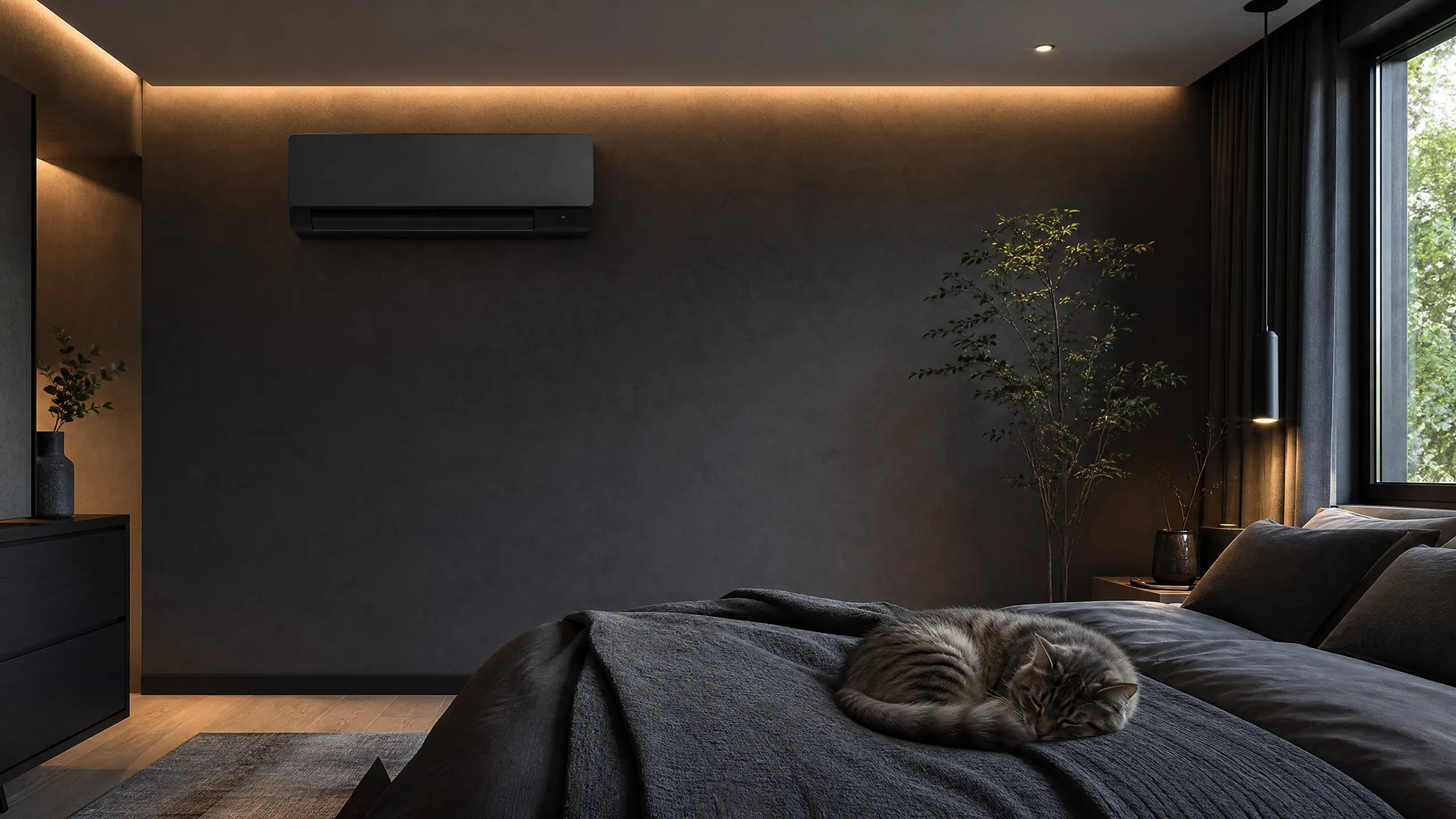
A gray tabby cat sleeps curled up on a dark gray bed in a dimly lit modern bedroom with warm ceiling cove lighting and a wall-mounted air conditioning unit.

Mini Split Installation in Willmar, MN

Tell us about the job

Takes about a minute. No obligation.

New system or replacementMini-splitKandiyohi County, MN
Step 1 of 2

What ZIP code is the job in?

Gas heats most homes here

Just over half of Kandiyohi County homes heat with utility gas, and another fifth run on LP gas. A mini split isn't replacing that furnace. It's handling the shoulder seasons and the rooms the ductwork doesn't reach well, while the furnace stays on for the coldest months.

Electric homes are a different job

Close to a quarter of homes here heat with electricity, usually baseboard or an electric furnace with no ducts to tie into. For those homes a mini split can be the main source of heat, not just a supplement, and the installer sizes it with that in mind.

9 months
September through May, your system heats
3 months
June through August, it cools
7°F
the average winter night it heats against
80°F
the average summer afternoon it cools against
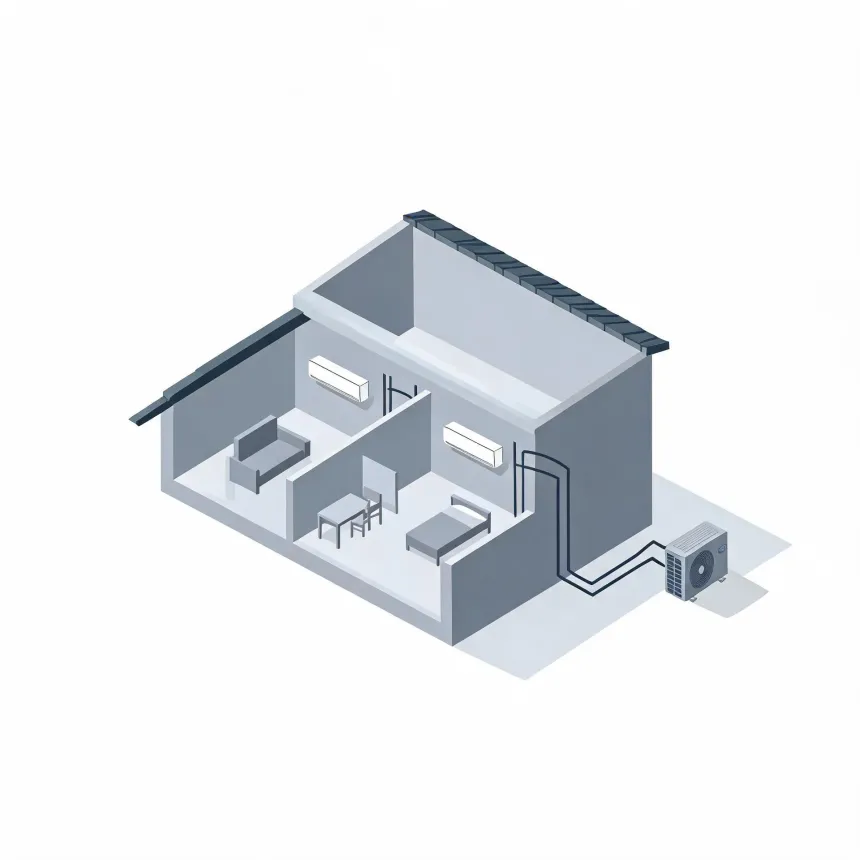
Isometric cutaway illustration of a gray house showing two wall-mounted indoor air conditioning units in separate rooms with furniture, connected by line sets to an outdoor condenser unit on a pad outside.
Your system heats September through May and cools June through August.

NOAA nClimDiv, 1991–2020 normals

The price follows the number of indoor heads and how far each one sits from the outdoor unit.

A single zone close to the condenser costs less than a multi-zone setup with long line sets run through walls and ceilings.

Sizing here follows the house, not the summer heat

Half the homes here were built by 1978
Cooling runs June through August
Summer afternoons average 80°F

Cooling here runs June through August, about three months a year. May is the month to get a mini split installed, before that first stretch of heat hits and installers are booked with people who waited. Get it done in May and the work happens on a day that suits you, not whatever's left on the calendar. Push it into summer and you may be without cooling while you wait for a slot.

The right size, not the biggest size, is what this job needs

A standard mini split, sized right for this climate, is built to handle Willmar winters and summers without upgrading to a bigger or pricier unit. Minnesota electricity runs 15.45 cents per kilowatt-hour, and a correctly sized system is what keeps that cost in check.

Find a contractor
A white mini-split air conditioner outdoor condenser unit mounted on metal brackets against a beige stucco exterior wall, with a blue sky and scattered clouds in the background.

Three months of work, then it sits

Three months of cooling a year, afternoons around 80 degrees, is a light load for a mini split. The rest of the year it sits idle on the cooling side, with the heating side picking up through the cold months instead. A system that runs this little under strain has less reason to fail early. When something does go wrong, it's more likely a part that aged out or a filter nobody changed than a unit worn down from overwork.

Ask what each zone is sized for

A mini split installer should size every indoor head to the room it serves, based on that room's windows, ceiling height and what's on the other side of its walls. If a quote lists capacity without ever walking through the rooms, the number is a guess, not a calculation.

Ask who services the brand locally

The outdoor unit and indoor heads are a matched system, and parts for one brand rarely fit another. Before buying, ask which installers in the area are certified on it, since a system nobody nearby can service becomes a problem the first time it needs a repair.

The efficiency rating on a mini split tells you how much heat or cooling it delivers for the power it uses. A higher rating means it costs less to run for the same comfort, but that number comes from a lab test, not from your house. It's there so you can compare one system against another, nothing more. A unit with a great rating still needs to be sized to the room it's heating or cooling, or it won't hit that number in practice. Oversized units cycle on and off fast, cooling the air without pulling the moisture out of it, so the room ends up feeling damp even at the right temperature. Undersized units run nonstop and still fall behind. The rating is worth checking, but what the installer does with sizing and setup decides what you actually pay to run it.

Installation starts with the outdoor unit. It needs a pad or bracket, clearance on all sides for airflow, and a spot that isn't under a roofline that dumps snow or water on it. Indoors, each head goes on a wall that backs up to an exterior wall, since the line set has to pass through it. The crew drills one hole for that line set, the refrigerant lines, power wire and condensate drain bundled together and run through to the outdoor unit. Once the lines are connected, the system gets evacuated with a vacuum pump to pull out air and moisture before refrigerant goes in, because either one left in the lines will cause problems later. After that it's a vacuum test, a charge check, and running the system on both heat and cool before anyone calls it done.