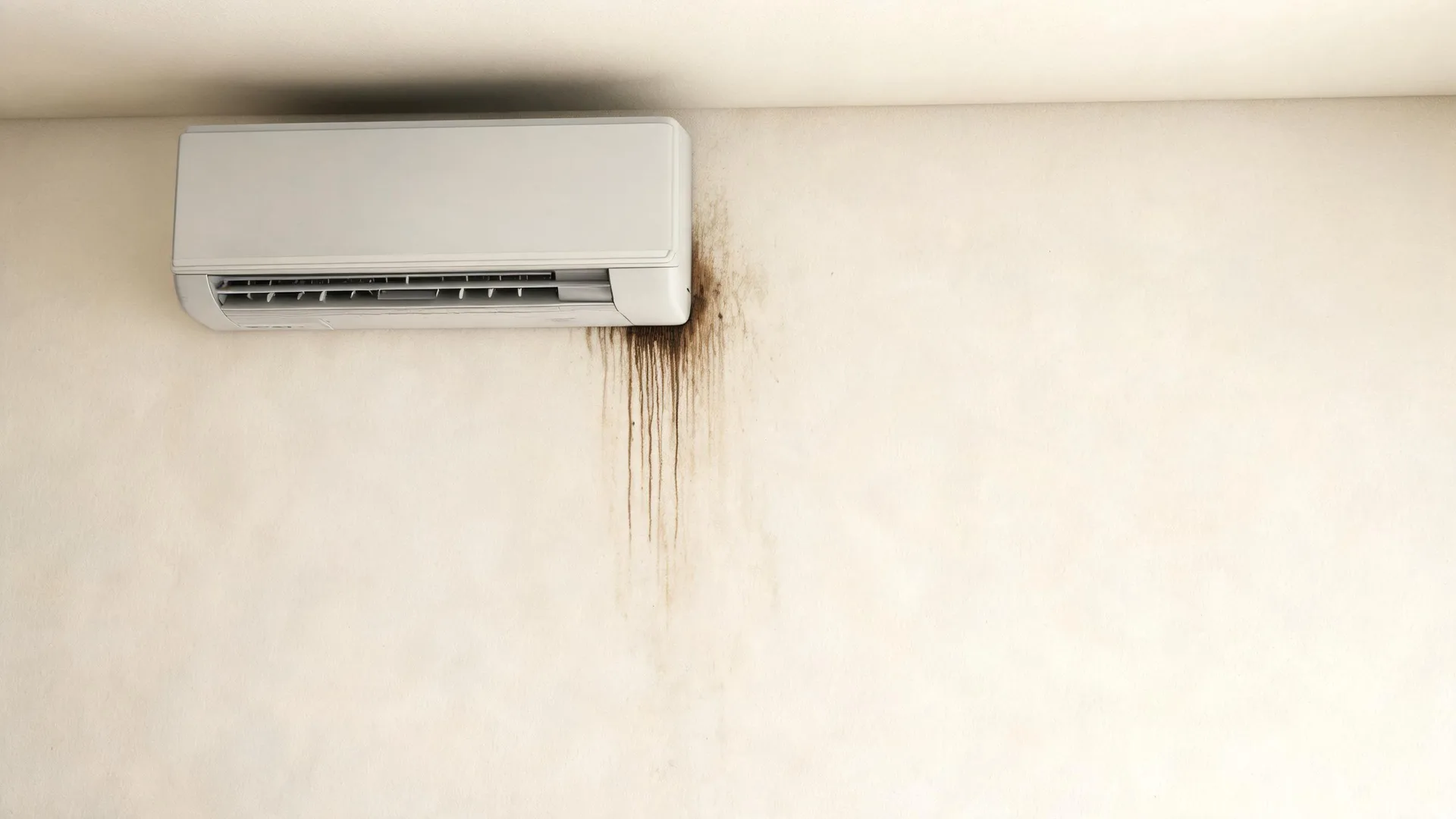
Most of Lakeville heats with gas
Gas furnaces heat 79.2% of homes in Dakota County. A mini split isn't replacing that setup, it's adding a second way to heat and cool a room or two without touching the ductwork.
Takes about a minute. No obligation.
Gas furnaces heat 79.2% of homes in Dakota County. A mini split isn't replacing that setup, it's adding a second way to heat and cool a room or two without touching the ductwork.
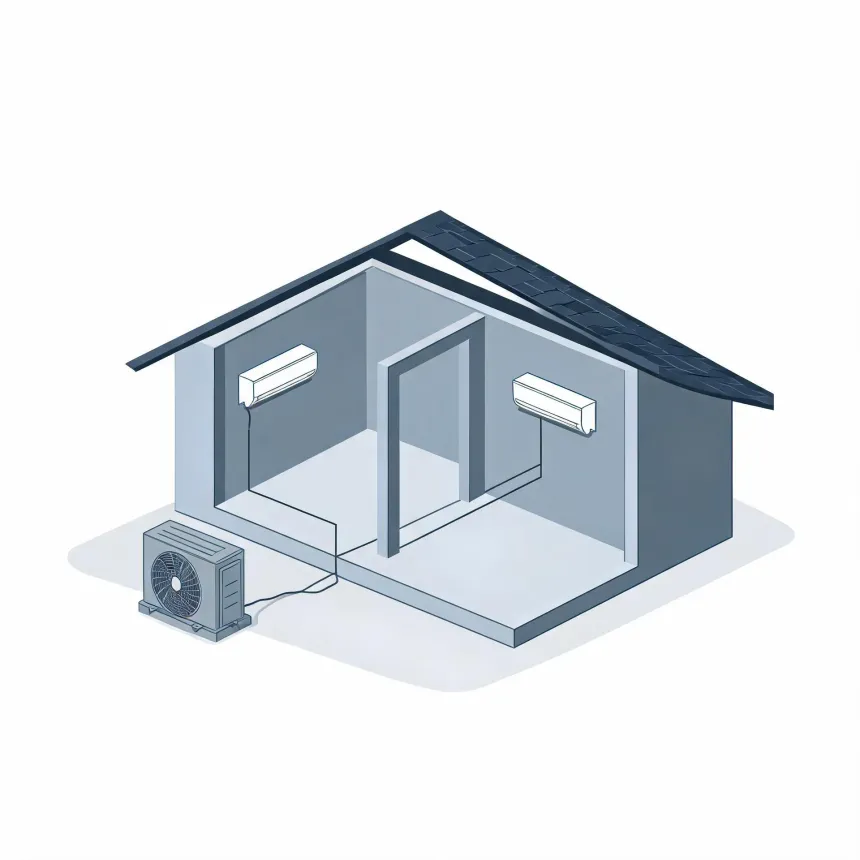
The furnace and ducts stay as they are. The mini split job is about running a line set and a drain to the outdoor unit and finding the right wall for the indoor head, not reworking a heating system that already works.
NOAA nClimDiv, 1991–2020 normals
Cooling in Lakeville runs June through August.
Get the mini split installed before June and it's ready on day one of the heat, not day three.




A mini split for a room or two in Lakeville doesn't need to be oversized. Standard capacity and efficiency handle the cooling load here without trouble. Minnesota homes paid 15.45 cents per kilowatthour in 2024, and running cost comes down to the unit's efficiency rating and how many hours it runs each summer, not the size of the equipment. A bigger unit than the room calls for doesn't cool faster. It cycles on and off more, which does less for comfort, not more. The contractor sizing the install will work from the room's square footage and layout, not from a reason to sell you more than the space needs.
Any mini split installed in Dakota County has to meet 14.3 SEER2 and 7.5 HSPF2, the federal minimum for split-system heat pumps. That's the baseline a contractor is working from here, not an upgrade. A federal tax credit is available for qualifying heat pump installations, worth checking against the unit you're quoted.
Find a contractorAsk what the compressor is rated for, variable speed or single stage. A variable speed compressor ramps up and down with demand instead of switching fully on and off, and that matters for a unit running through both the heating and cooling months. Ask about the warranty terms on the compressor, the parts and the labor separately, since those often run different lengths and only one of them usually gets registered without you doing anything. Ask what the minimum outdoor temperature is for heat mode, because that tells you how much of the cold stretch the unit can carry on its own before it leans on backup heat. Ask how the line set gets supported and insulated along its run, since a line set left to sag or rub against something wears through long before the equipment on either end fails.
A straight, short path between the indoor head and the outdoor unit takes less time and less material than one that has to turn a corner, clear a soffit or run up through a floor. The wall chosen for the indoor head and the spot chosen for the outdoor unit decide how much line set, wiring and drain line the job actually needs.
Running power to the outdoor unit is a shorter job when there's an electrical panel nearby with room for a new circuit. Drainage works the same way. A spot where the condensate line can run downhill and out costs less to plumb than one that needs a pump to push the water uphill.
SEER2 tells you how much cooling the unit produces for the electricity it uses, and HSPF2 does the same for heating. Higher numbers mean less electricity for the same comfort, but only up to a point, since a unit still has to run long enough to satisfy the room regardless of its rating. The number on the label is also measured under set conditions in a lab, so it's a way to compare one unit against another, not a promise of what you'll see on your own power bill. A high rating on an oversized or poorly installed unit won't outperform a properly sized one with a lower rating. Ask what the installed system is rated at, not just the model the brochure advertises, since the indoor and outdoor units are tested and rated as a matched pair.
Install day starts outside, with the contractor mounting a bracket on the wall for the indoor head and drilling a small hole through to the outside for the line set, wiring and drain line. That hole gets sealed once everything passes through it. Outside, the outdoor unit sits on a pad or wall brackets, leveled so condensate drains the way it's supposed to and vibration doesn't carry into the house. The line set gets connected at both ends, then the system is evacuated with a vacuum pump to pull out air and moisture before the refrigerant is released into the lines. Skipping that step is what leads to a unit that struggles to cool or heat right out of the gate. Once it's charged and powered up, the contractor checks the temperature split at the indoor head and tests the system in both heating and cooling mode before calling the job done.