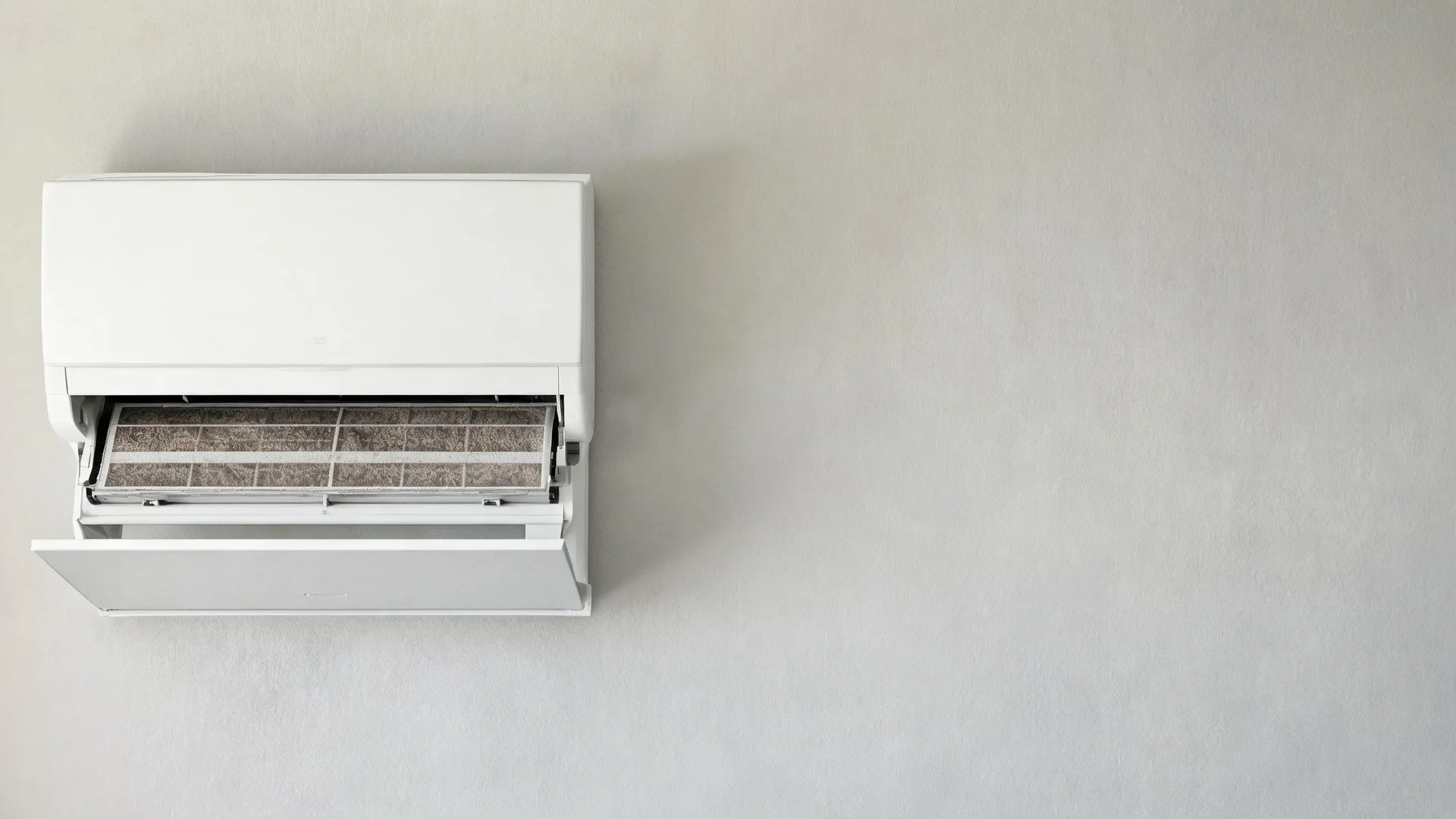
Gas heats most homes here
Utility gas heats 64.7% of homes in Blue Earth County, more than any other fuel. Electricity is next at 20.2%, and LP gas covers another 12.1%.
Takes about a minute. No obligation.
Utility gas heats 64.7% of homes in Blue Earth County, more than any other fuel. Electricity is next at 20.2%, and LP gas covers another 12.1%.
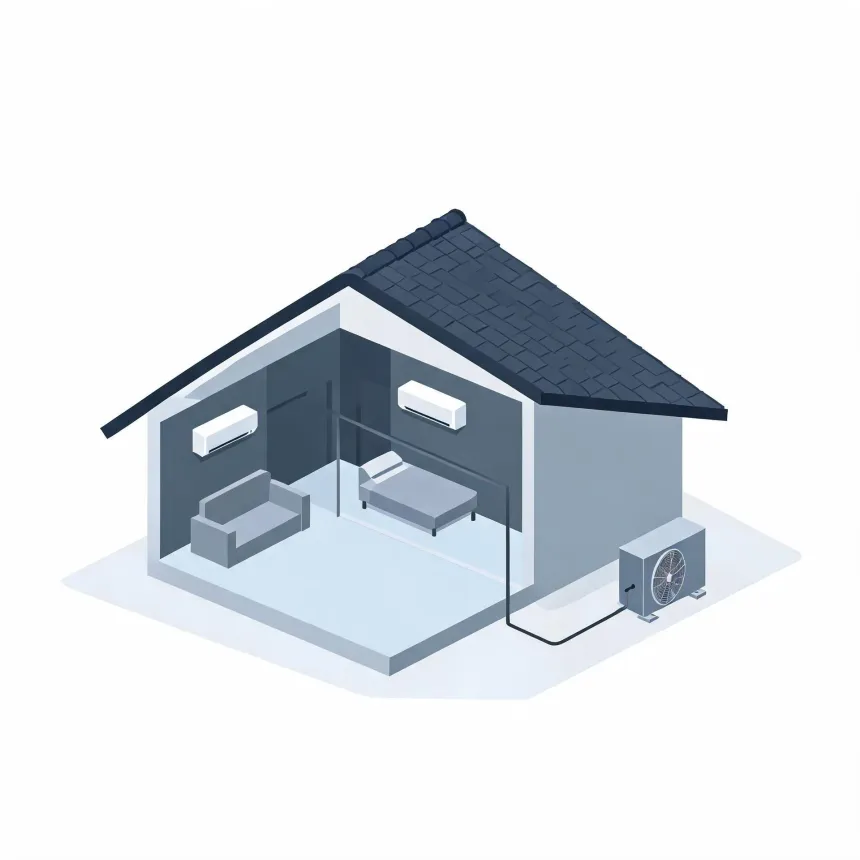
Most mini split jobs in gas-heated homes are about cooling, or about heating one room a furnace does not reach well. The furnace keeps running for the rest of the house.
NOAA nClimDiv, 1991–2020 normals
Cooling runs June through August here.
May is the month to get a mini split installed, before the first hot week puts every installer behind.




A mini split runs on electricity, so what you pay to cool a room comes down to the rate, not just the machine. Minnesota homes paid 15.45 cents per kilowatt-hour in 2024. A standard-size, standard-efficiency mini split fits a Mankato home fine. Nothing about running one here calls for a bigger unit or a higher efficiency tier than what the room actually needs. Sizing it to the space you're cooling, not above it, is what keeps the running cost matching that rate.
Any mini split installed here has to clear 14.3 SEER2 for cooling and 7.5 HSPF2 for heating, the federal minimum for split-system heat pumps. Blue Earth County is also zone 6A, a cold climate zone with winters that run long. A unit that clears the federal minimum works here. Ask your contractor whether the one you're looking at qualifies for the federal tax credit before you sign anything.
Find a contractorThe rating on the label is a ratio, not an amount of cooling. It tells you how much output the compressor gets out of the electricity it uses. A higher rating means the compressor does more with less power, not that the unit cools a bigger room or cools it faster. Mini splits built to the same output can still carry different ratings, because the difference sits in how much electricity each one pulls to get there. That's what the label tells you and nothing more. It says nothing about how long the unit lasts or how well it gets installed, and a high rating on a unit that's oversized for the room won't show up in what you actually pay. An oversized unit shuts off before it settles into the long, steady cycle the rating assumes it will run.
A contractor works out the size by adding up how much heat the room gains in summer and loses in winter. The windows matter, the exterior walls matter, what's on the other side of them matters. Rooms the same size can need different sized units depending on which way they face and what's above or below them. Square footage alone leaves out too much to get the number right.
An oversized mini split cools the room fast, shuts off, then starts again soon after. It never runs long enough to pull moisture out of the air, so the room feels cool and damp instead of just cool. A unit sized to the room runs longer, steadier cycles and handles humidity as part of the job.
What makes one installation cost more than another usually comes down to the indoor and outdoor unit placement, not the equipment itself. A straight shot through an exterior wall with the outdoor unit set close by is the easiest case. Add a longer run of line set, a second or third indoor head, or a spot where the wall has electrical, framing or plumbing in the way, and the labor goes up before the equipment ever changes. Electrical work is its own factor. Some installations tie into an existing circuit, others need a new dedicated circuit run from the panel, and that depends entirely on what's already there. The condensate line matters too. Where the indoor unit can't drain by gravity, the installation needs a pump to move that water out, which is another part and another step. None of this shows up on the price tag for the unit itself, but all of it shows up in the bid.
Installation day starts outside and in, at the same time. The outdoor unit gets set on a pad or mounted bracket somewhere with clear airflow on all sides, away from the dryer vent and away from anywhere snow piles up. Indoors, the installer mounts the wall plate, then drills a single hole through the exterior wall for the line set, the refrigerant lines, power wire and condensate drain that all run together in one bundle. Those lines get connected at both ends, and the system gets evacuated with a vacuum pump to pull out any air and moisture before the refrigerant is released into the lines. That step matters more than people expect. Moisture left in the line set causes problems months later, not on day one. Once it holds vacuum, the installer checks the line connections for leaks, powers it up, and runs it through a cycle in both cooling and heating to confirm it responds the way it should.