






A lit brick residential street at dusk showing a row of two-story homes with covered porches and mature trees.

Mini Split Installation in Pine City, MN

Tell us about the job

Takes about a minute. No obligation.

New system or replacementMini-splitPine County, MN
Step 1 of 2

What ZIP code is the job in?

Propane heats more homes in Pine County than anything else, 43.4% of them, with utility gas next at 29.7%. A mini split does not replace that furnace. It adds a way to cool the house and a second way to add heat without the furnace cycling on for every small drop in temperature. Homes built around a propane or gas furnace usually have no ductwork set up for central air, which is part of why a mini split fits well here. It runs on electricity, so it works independent of whatever fuel already heats the house.

9 months
September through May, your system heats
2 months
July through August, it cools
6°F
the average winter night it heats against
78°F
the average summer afternoon it cools against
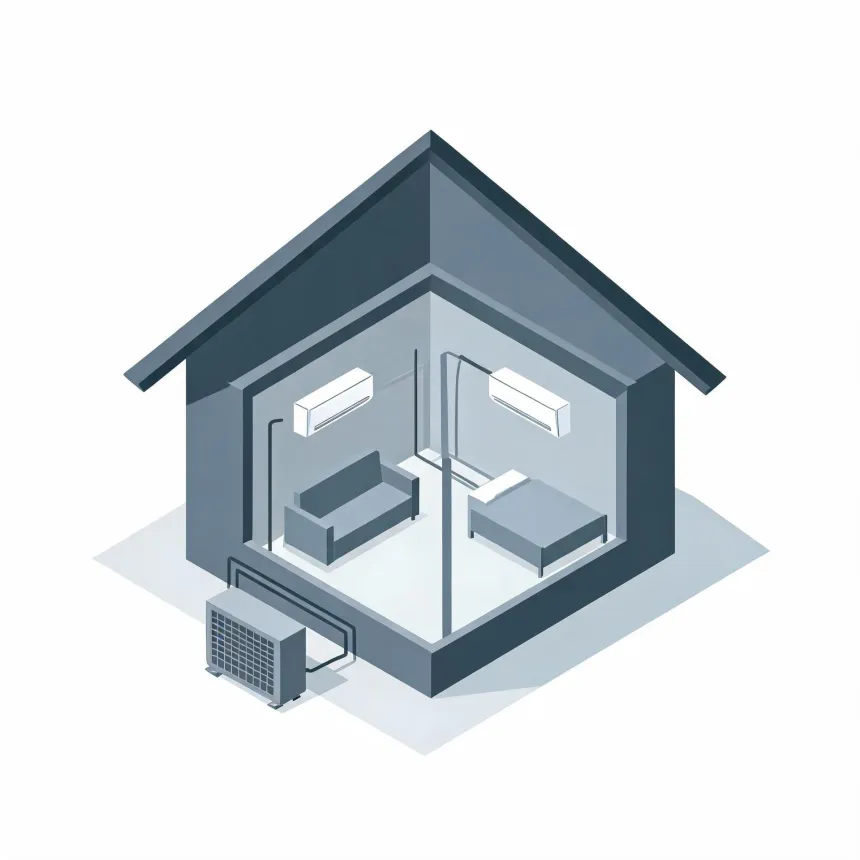
Isometric cutaway illustration of a small gray house showing two rooms, one with a sofa and one with a bed, each with a wall-mounted indoor air conditioning unit connected by line sets to an outdoor condenser unit on the ground outside.
Your system heats September through May and cools July through August.

NOAA nClimDiv, 1991–2020 normals

A mini split sized by square footage alone is a guess, not a measurement.

The job comes from a load calculation, room by room, counting windows, insulation and how the space is used.

Electricity here runs 15.45 cents a kWh, cheaper than most states, so a mini split earns its keep on comfort more than on savings

Power costs 15.45 cents a kWh statewide
Cooling runs July through August
Summer afternoons average 78°F
Get it in before JulyCooling in Pine County runs July through August, so June is the month to get it installed.

A standard mini split, sized right for the room, is the correct call here. Nothing about Pine County pushes toward a bigger unit or a higher-end one. The outdoor unit mounts on a bracket above the ground rather than sitting on a slab, which is a practical shape where wind and hail are a real factor. Pine County logged 78 hail events between 2015 and 2024, and the compact, wall-mounted condenser just holds up well against that without costing extra. Buy for the room you're heating and cooling, not for the weather.

Reliability first

Power is cheaper here, so the most efficient model takes longer to pay off. Reliability and fit matter more.

Find a contractor
A man in a cap, dark long-sleeve shirt and tan work pants walks up concrete steps toward a dark green front door, carrying a worn canvas duffel bag.
A white outdoor air conditioner condenser unit mounted on metal wall brackets against gray horizontal siding, with a blue sky and white clouds behind it.

Two months of real work

Two months of cooling a year, July and August, with afternoon highs averaging 78°F. That is a light load for any system to carry. A mini split sized right for the room will cycle on through those two months and spend the rest of the year doing much less work, maybe some winter heating in the room it serves. When something does go wrong on a unit that has seen this little strain, it is usually a bad part or something left unserviced, not a system worn down from running hard. That is worth knowing when you are deciding whether to repair or replace down the line.

The furnace and ductwork stay put

A mini split installation does not touch the existing furnace or any ductwork feeding other rooms. The old system keeps heating the rest of the house exactly as before. What changes is only the room getting the new unit, which now has its own way to heat and cool without pulling from the furnace at all.
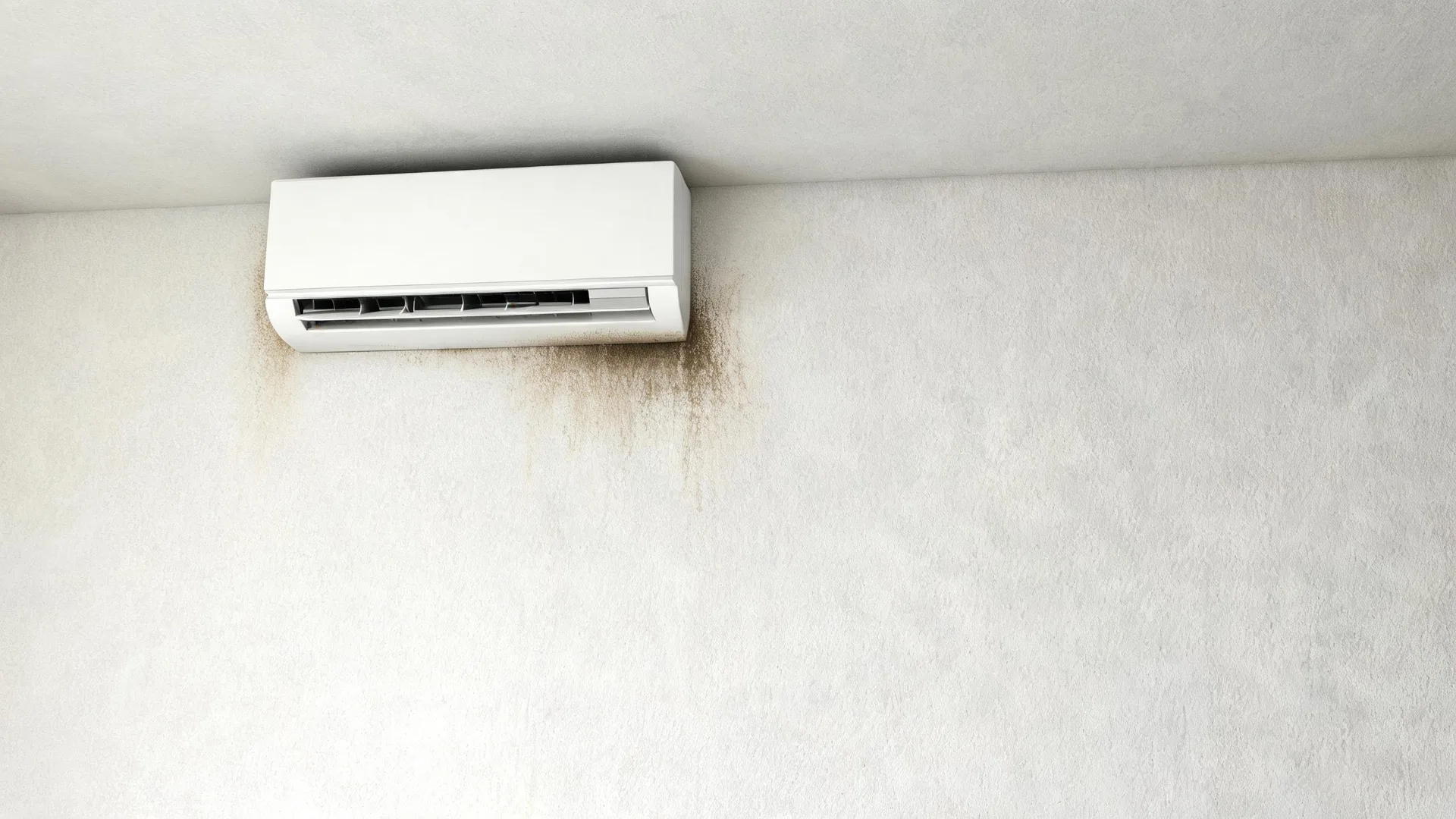
No old equipment to haul out of that room

If the room getting the mini split never had a vent or a radiator doing dedicated work, there is nothing to remove before installation starts. A window air conditioner or a space heater might come out, but that is the homeowner's call, not a required step. The mini split goes in alongside whatever was there, or replaces it, on your schedule.

Comparing mini splits mostly means comparing what you can't see once it's on the wall. Ask what the SEER2 rating is and what the unit is rated down to for heating, since a low-temperature rating matters if you want real heat from it and not just a cooling unit that happens to blow warm air. Ask whether the indoor head is a wall unit, a ceiling cassette or something else, since they throw air differently around the room. Ask how many zones the outdoor unit can run and whether it's a dedicated single-zone system or a multi-zone, because a multi-zone splits its capacity across every head running at once. Ask about the warranty on the compressor specifically, not just the whole unit, and whether it requires the installer to be certified by that manufacturer to stay valid. The brand matters less than whether the contractor installing it does it often and stands behind the line-set work, since a bad vacuum on the lines is what kills a mini split early, not the equipment itself.

Installation day starts outside, not in. The crew figures out where the outdoor unit mounts and where the indoor head goes, then runs a line set between them through a hole drilled in the wall, usually just a few inches across. Those lines carry refrigerant, so once they're connected, the whole system gets pulled down to a vacuum before anything turns on. That step removes moisture and air from the lines, and skipping it or rushing it is the single most common reason a mini split fails early. After the vacuum holds, the refrigerant charge gets set, the indoor head gets mounted and leveled, and the electrical connection gets tied in. Most of a day's work is in that line set and vacuum, not in hanging the equipment itself.