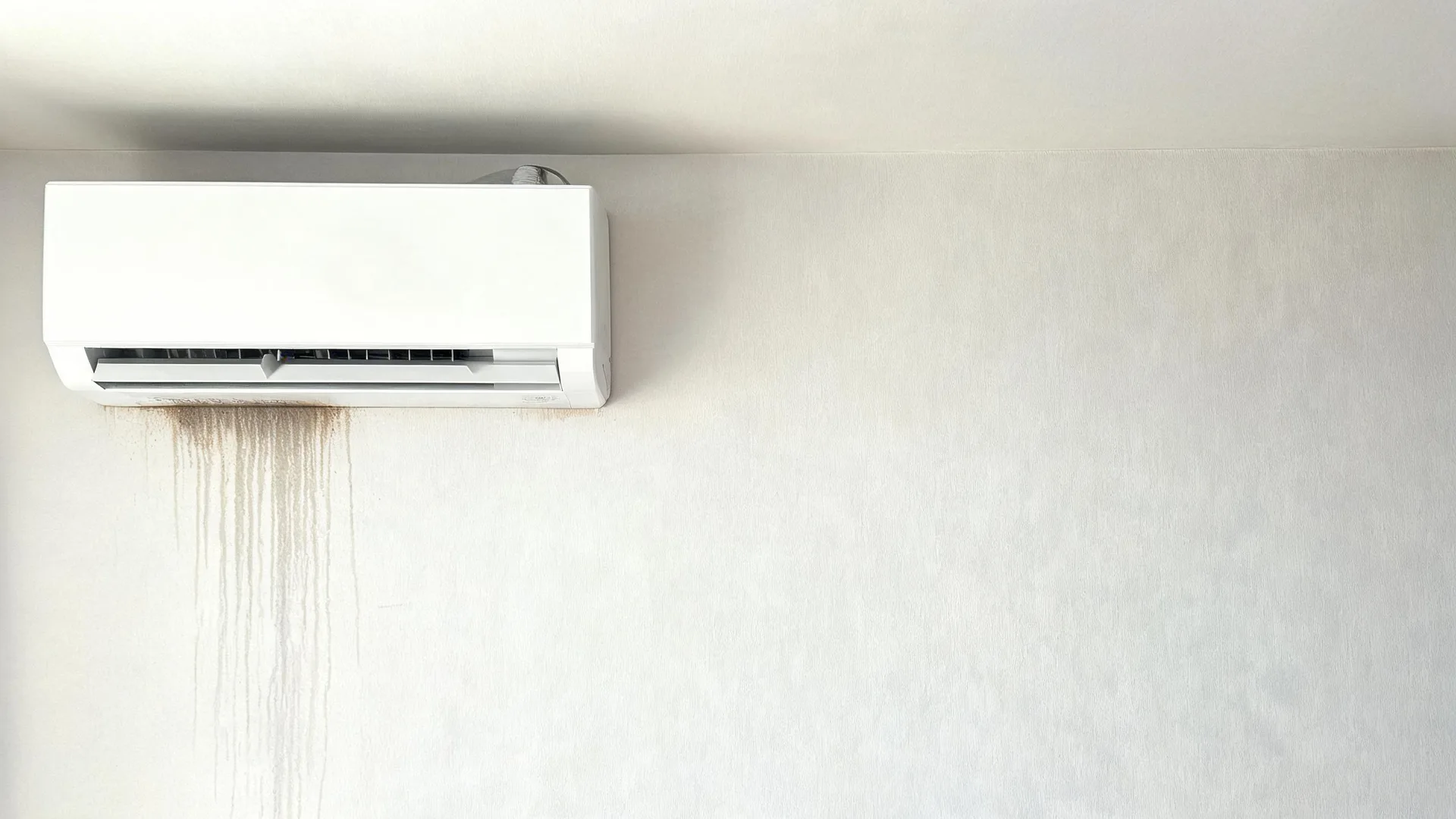
Gas heats most homes here
Utility gas heats 55.4% of occupied homes in Winona County. Most houses here already have a furnace doing the heavy lifting in winter.
Takes about a minute. No obligation.
Utility gas heats 55.4% of occupied homes in Winona County. Most houses here already have a furnace doing the heavy lifting in winter.
A mini split adds cooling where a home has none, or handles a room the furnace and ductwork don't reach well. It runs alongside the gas furnace instead of replacing it.
NOAA nClimDiv, 1991–2020 normals
Half the homes in Winona County were built in 1969 or earlier.
A mini split going into a house that old has to work with the walls and rooms already there, not a blank slate.



May is a good time to get a mini split installed in Winona County. Cooling runs June through August here, so going in a month ahead means the system is ready before the first hot day instead of during it. Installing a mini split takes real work. The indoor unit gets mounted, the line set runs out to the condenser, and the whole system gets tested under load before anyone trusts it. Doing that in May means there's room to fix anything that needs fixing, instead of waiting on a contractor in the middle of a heat wave.
Nothing about Winona County pushes you toward a bigger unit or a higher-end one. Severe weather here means wind, hail and the occasional tornado, same as the rest of the region, not heat or cold that a standard size can't handle. Pick the unit that's sized right for the room and get it installed.
Find a contractor
A wall-mounted indoor unit needs a clear path through the wall to the line set outside, and where that path runs depends on what's behind the drywall. Half the homes in Winona County were built in 1969 or earlier, so whoever installs the unit has to work with the framing and walls already there instead of planning around a blank wall. That's something the installer checks on site, not something to guess at ahead of time.
A mini split sized by square footage alone is a guess. A proper load calculation accounts for the room's windows, insulation and ceiling height, and it tells the installer which capacity actually fits. Too big and the unit cools the room fast but never runs long enough to pull moisture out of the air, so the room feels damp. Too small and it runs constantly without ever catching up.
If a mini split is replacing an existing system, find out whether the new unit reuses the old line set or needs a new one run. Line sets are sized for a specific system, and the wrong diameter line hurts the refrigerant charge and the unit's output. A new line set also means another path through the wall to plan for, not just a swap at the connections.
If this mini split is replacing something, that old equipment still has to go somewhere. A window unit or a through-wall sleeve comes out easily enough. A ducted system is a different job, since the old air handler and any abandoned ductwork need to be dealt with, not just left behind a wall. If the old unit used refrigerant, it can't just be vented into the air. A licensed contractor recovers it with the right equipment before the lines get opened up, the same way the new system's charge gets handled once it's in. Ask who's responsible for hauling off the old unit and any debris, since that's sometimes a separate line item from the install itself.
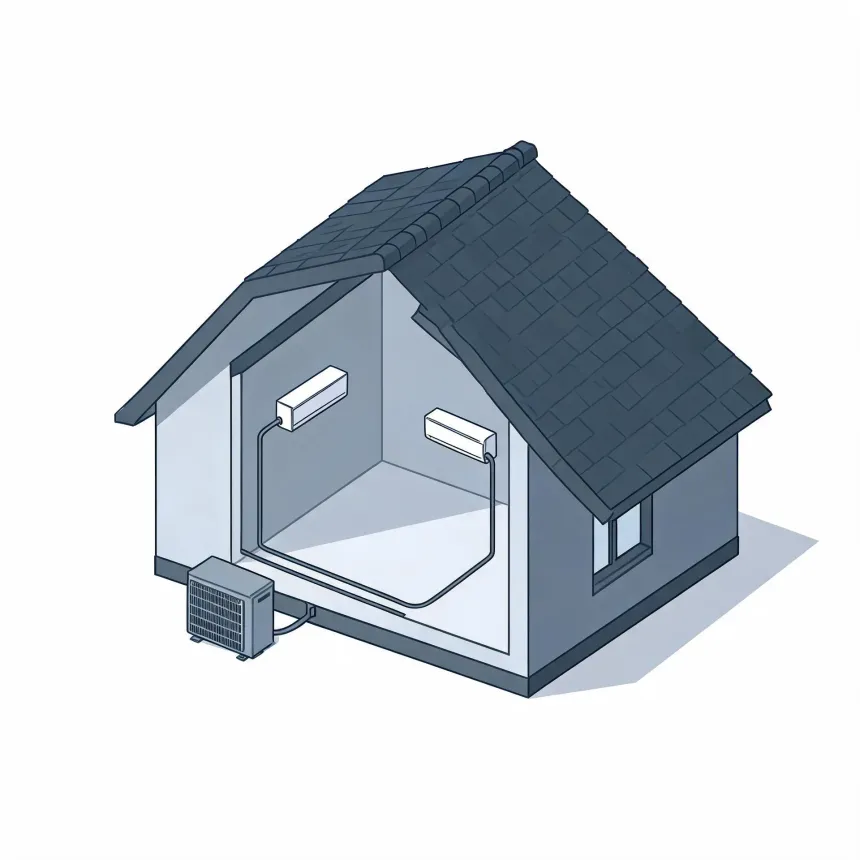
Install day starts with the outdoor unit, since the condenser's spot decides how the line set runs from there. The crew mounts the indoor unit on the wall bracket, then drills through for the line set, the condensate drain and the power wiring, all bundled together through one hole. Outside, the condenser gets set on a pad or wall brackets, and the lines get connected and flared at both ends. Once everything's joined, the system gets evacuated with a vacuum pump to pull out air and moisture before any refrigerant moves through the lines. That step matters more than people think, since moisture left in the lines turns to acid and eats at the compressor over time. Only after the vacuum holds does the refrigerant get released and the system get tested under a real load, cooling or heating, before anyone calls the job done.