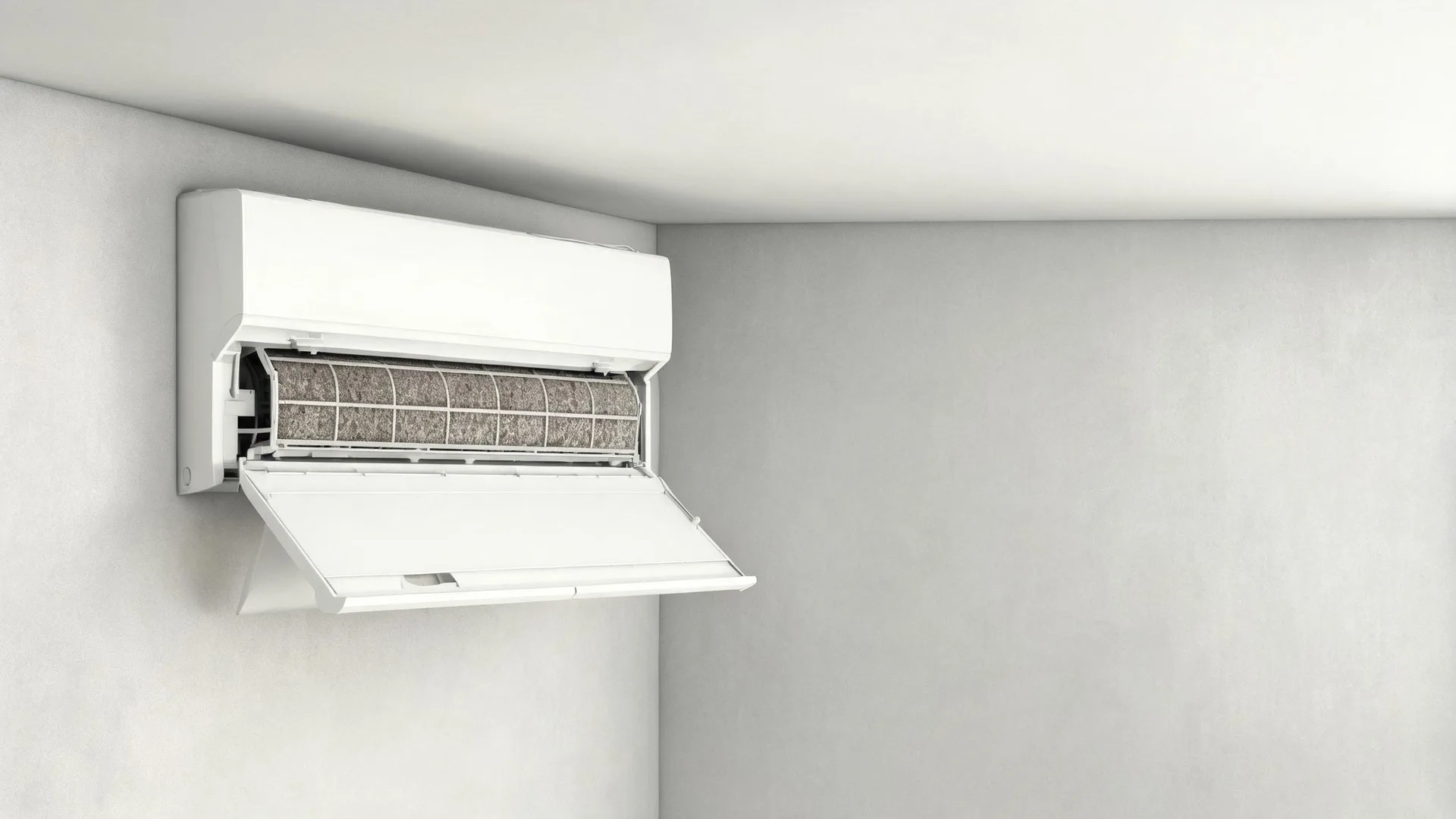
Gas heats most of Brainerd
Just over half of homes in Crow Wing County heat with utility gas, more than any other fuel. Propane runs a lot of the rest, since not every property here has a gas line.
Takes about a minute. No obligation.
Just over half of homes in Crow Wing County heat with utility gas, more than any other fuel. Propane runs a lot of the rest, since not every property here has a gas line.
Most homeowners here are installing a mini split for a room a furnace doesn't reach well, or for cooling, while keeping the furnace for the coldest months. Worth saying upfront when you're comparing quotes, since it changes what the contractor needs to size for.
NOAA nClimDiv, 1991–2020 normals
Cooling in Crow Wing County runs about two months a year, with afternoon highs averaging 78°F.
A mini split here isn't fighting a long, hot summer, so a well-built mid-range system holds up fine.



Crow Wing County falls in climate zone 7, so any mini split installed here has to meet the federal minimum of 14.3 SEER2 for cooling and 7.5 HSPF2 for heating. That's the floor a contractor has to design to, not a ceiling. A federal tax credit is also available on qualifying systems, which is worth asking your contractor about when you compare quotes.
Find a contractor
July and August are the only months this unit works for a living. The rest of the year it sits idle, so there's no long stretch of heat grinding on the compressor. A mid-range system holds up fine under that kind of load. The money is better spent on a correct install, good line set work and a unit sized to the room, than on a higher-end compressor built for a climate this one doesn't have.
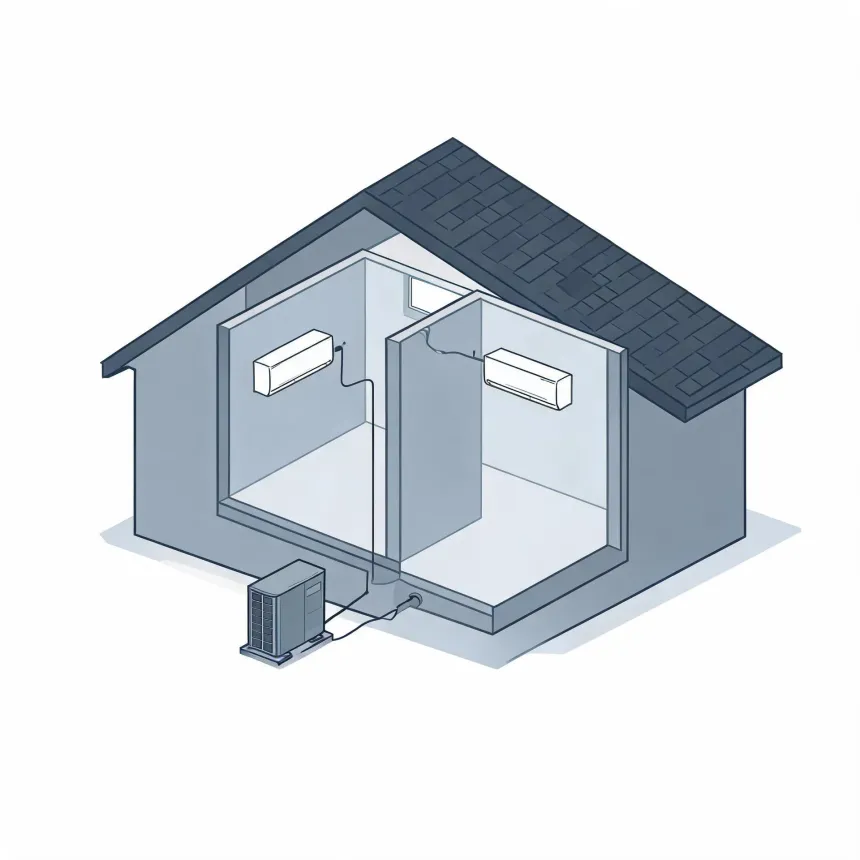
Every quote should name a capacity for each indoor unit, tied to the room it's going in. A contractor who quotes one number for the whole job without walking the space hasn't sized it. Ask how they got that number. A real answer mentions the room's square footage, the windows, and what's on the other side of the walls.
The line set carries refrigerant between the outdoor unit and the indoor head, and it has to be vacuumed down to pull out moisture and air before it's charged. A rushed or skipped vacuum is a common reason a new mini split stops cooling well not long after install. Ask how they test for leaks and whether they pull a vacuum before charging, not after.
If the old system is a window unit or a through-wall sleeve, it usually comes out when the new indoor head goes in, since the wall or window opening gets closed up as part of the job. If there's an older mini split being replaced, the outdoor unit and line set get disconnected and hauled off, and the refrigerant has to be recovered first rather than vented, since releasing it into the air is against the law. A furnace or boiler used for winter heat isn't touched by any of this. It stays right where it is, doing the job a mini split in this climate was never meant to take over. The only connection between old and new is the electrical circuit, and a contractor will check whether the existing breaker and wiring can serve the new unit or whether that part needs upgrading too.
The number on the label, SEER2 for cooling and HSPF2 for heating, tells you how much heat the unit moves for the electricity it uses. A higher number costs more up front and pays it back slower in a place where the unit barely runs. That tradeoff only makes sense somewhere the compressor is working hard most of the year. It also only means anything if the rest of the job is done right. A high-efficiency unit with a poorly sealed line set or a bad vacuum job will run worse than a basic one installed correctly. The rating describes the equipment, not the installation, and the installation is what you're actually paying for.