Profile view of a bearded man wearing a dark green baseball cap and a dark gray T-shirt against a plain light background.

Why your heat pump runs on emergency heat in Minnesota

RepairHeat PumpMinnesota
Step 1 of 2

What ZIP code is the job in?

Emergency heat means your heat pump has stopped moving heat from outside and the backup electric strips are carrying the whole load. In Minnesota winters, that happens most often when the outdoor unit ices up faster than its defrost cycle can clear it, or when the temperature drops low enough that the heat pump can't pull enough warmth from the air at all. Sometimes it's not the cold doing it. A low refrigerant charge, a failed defrost sensor, a stuck reversing valve, or a dead compressor can all force the system into emergency heat even on a mild day. If yours is running on emergency heat only during a hard cold snap, that may just be the system protecting itself. If it's stuck there regardless of temperature, something in the unit has failed and it needs a look from someone who works on heat pumps.

A dirty outdoor air conditioner condenser unit with debris on its coil grille, sitting on a concrete pad beside a light-colored horizontal siding wall, with bare dirt ground in front and a shrub at right.
Before you get your heat pump repair
A gray outdoor condenser unit on a concrete pad beside a house with horizontal lap siding, with a metal disconnect box and refrigerant lines on the wall, river rock and mulch to the sides, and a green shrub at right.
After you get your heat pump repair

Your thermostat has two ways to land on emergency heat. You can set it there yourself, which shuts the outdoor unit off completely and leaves the electric strips to do all the work. Or the system can switch over on its own, because the outdoor unit's control board saw a fault and locked itself out rather than keep running broken. Either way, the strips don't know the difference. They just heat.

Normally the outdoor unit handles the work, pausing every so often to defrost the coil before going back to pulling heat from the outside air. When it's cold enough outside, there isn't enough heat in that air for the heat pump to keep up, and the strips step in to cover the gap. That's expected and temporary.

What isn't expected is the outdoor unit staying down because of a stuck defrost control, a bad reversing valve, or refrigerant that's run low. The strips will carry the house through that too, for as long as it takes, which is exactly why it can go unnoticed for days.

How emergency heat actually kicks in

  • A thermostat set to Emergency Heat locks out the heat pump entirely and runs only the electric strips, even if the outdoor unit is fine.
  • A thermostat set to Auto or Heat switches to emergency heat on its own when the outdoor unit's sensors or control board report a fault.
  • The outdoor unit runs a defrost cycle every so often in cold weather, reversing briefly to melt frost off the coil before switching back.
  • If outdoor temperatures drop low enough, the heat pump can't pull enough heat from the air, and the strips take over to keep the house warm.
  • A stuck defrost control, a failed reversing valve, or a low refrigerant charge can all keep the outdoor unit from running correctly in the cold.
  • The electric strips can heat the house on their own indefinitely, which is why the system can run this way for days without anyone noticing.
A gray outdoor condenser unit on a concrete pad beside a house with gray lap siding, connected by conduit and refrigerant lines to a wall-mounted disconnect box, with a green shrub and mulch bed at left.
The outdoor unit cycles normally, defrosts on schedule, and sends warm air through the house without the strips kicking in.
An outdoor air conditioning or heat pump condenser unit on a concrete pad beside a house with horizontal vinyl siding, a gray electrical disconnect box and conduit on the wall, and a concrete walkway in the foreground.
A coated, neglected unit can't shed frost fast enough, so the strips take over and your bill climbs.

Emergency Heat vs. Heat Pump Running Right

Stuck on emergency heat

  • Electric strips are heating the whole house, and they draw far more power than the heat pump's compressor ever does.
  • The outdoor unit sits idle even on a mild day, which means whatever tripped the lockout hasn't been checked yet.
  • A frozen coil that never defrosts stays frozen, so the problem that caused the switch keeps getting worse underneath the ice.
  • Your thermostat may be showing an emergency heat light that nobody noticed until the bill came.
  • Run time climbs because strip heat is slower to satisfy the thermostat than a working heat pump.

Heat pump working normally

  • The outdoor fan runs, the coil defrosts on its own cycle, and the strips stay off unless it's genuinely below what the heat pump can handle alone.
  • A contractor who knows the defrost board and the sensors can find why it locked out instead of just resetting the thermostat.
  • Once the outdoor unit is clear and the controls are checked, the system goes back to pulling heat from the outside air the way it's built to.
  • Someone local who services this equipment all winter has likely seen the same failure on other units in your area and knows where to look first.
  • With the heat pump carrying the load again, the strips only step in during the coldest stretches, the way they're meant to.
A gray outdoor air conditioner or heat pump unit on a concrete pad beside a house with horizontal lap siding, with conduit and refrigerant lines running up the wall and green shrubs and mulch at left.

Running the way it should

This is a heat pump doing its job. The outdoor unit sits clear and clean next to the house, drawing air through unobstructed, moving heat in and out the way it was designed to. No frost built up, no strips called in to cover for it.


An outdoor air conditioning condenser unit on a concrete pad beside a house with horizontal siding and a concrete foundation, with refrigerant lines running to a wall-mounted disconnect box and shrubs at left.

A unit that can't keep up

That dark buildup on the grille blocks airflow the unit needs to defrost itself. Once it can't shed frost fast enough, it locks out and leaves the electric strips to heat the house alone, often before you even notice the outdoor unit has gone quiet.

Why does my heat pump switch itself to emergency heat?

You didn't touch the thermostat. It just happened, probably on one of the colder nights, and now the strips are running and the bill shows it. You want to know what made that switch happen on its own, not just what the setting means.

The control board locks out the heat pump when a sensor reading falls outside what it expects

The outdoor unit has sensors watching refrigerant pressure and coil temperature. When one of those readings falls outside the range the control board expects, the board cuts power to the compressor and switches the system to the electric strips on its own. That's the lockout, and it's meant to protect the compressor rather than leave you without heat while something gets looked at. In a Minnesota winter, the usual trigger is a coil that's iced over and stayed that way past a defrost cycle, or a refrigerant charge that's dropped enough to throw the pressure readings off. The thermostat shows Emergency Heat because that's the only way the system can respond to it, not because something told it to switch deliberately.

A gray-haired man in a dark sweater sits on a light gray sofa in a living room, looking toward a sunlit window with trees outside.
A gray-haired man in a dark blue sweater sits on a light gray sofa in a sunlit living room, looking off to the side, with a potted plant, shelving unit, and large glass doors behind him.
A bearded man with graying hair in a dark green sweater sits on a sofa in a living room, looking off to the side, with a sliding glass door and a dim kitchen doorway behind him.
A gray-haired man in a dark knit sweater sits on a light gray sofa in a living room, looking toward a sunlit window, with houseplants, a lamp, and framed art in the background.

Hand off the heat pump problem

Your request goes to one pro, not a list of companies.

No fee to send it, and nothing to sign.

A two-story cream-colored house with horizontal siding and a gray hipped roof, flanked by large green trees and shrubs, with a concrete walkway crossing a lawn to a wet street in the foreground.

Summer here isn't the problem for your heat pump, and the numbers back that up. Minnesota summers average a dew point of 59°F, according to NOAA climate data, which is on the comfortable side. The outdoor unit isn't fighting heavy, moisture-loaded air to move heat out of your house, so it isn't working as hard as it would somewhere muggier. That's part of why emergency heat shows up as a winter story here, not a summer one. The strain on this equipment comes from ice and cold, not from humidity wearing down the coil. Keep that in mind if a contractor starts looking at summer performance when the real issue is what happens outside on a January night.

NASA POWER T2MDEW county cells weighted by homes

What's happening in your house right now

Your vents are putting out air that feels hot, not the lukewarm stream a heat pump normally delivers. The outdoor unit might be caked in frost or sitting under a sheet of ice you can see from the window. Your electric bill for the month is higher than you'd expect, because the strips in the air handler are carrying heat the compressor used to carry. If the thermostat itself shows an "emergency heat" light or icon without you having touched the switch, that's the control board making the call, not you. Left alone through a Minnesota winter, this doesn't just cost more. The outdoor unit sits idle while whatever caused the lockout goes unaddressed, and the strips are a backup system, not built to run as the primary source of heat for months at a time.

A gray outdoor condenser unit on a concrete pad beside a light-colored lap-sided house, with a wall-mounted disconnect box and conduit, dark mulch, and a green shrub to the right.

Clear and running right

The outdoor unit sits clean beside the house, the disconnect box and lines in plain view. Air moves through the grille with nothing blocking it. This is what lets the unit defrost on its own schedule and keep moving heat instead of handing the job to the electric strips.

An outdoor air conditioner condenser unit on a concrete pad beside a house with horizontal lap siding, with a gray electrical disconnect box and conduit on the wall and bare dirt and mulch in the foreground.

Caked and falling behind

Dust and grime have built up across the grille, the kind of coating that traps frost instead of letting it shed. The unit underneath still runs, but it can't move heat the way it should. That's the gap the electric strips get called in to cover, and your bill shows it.

Power costs 15.83 cents per kilowatt-hour statewide

At 15.83 cents per kilowatt-hour, those electric strips add up fast once they take over full-time. A heat pump moving heat normally costs far less to run than strips making it from scratch, so every day stuck on emergency heat shows up on the next bill.

EIA-861 2025 statewide residential average

A repair that gets diagnosed right

A licensed contractor who works on heat pumps all winter in Minnesota knows what usually trips the lockout here: a defrost sensor gone bad, a frozen coil the unit couldn't clear, a control board that's lost track of the cycle. They check the outdoor unit, the refrigerant charge, and the defrost board before touching the thermostat. Once the fault is found and cleared, the heat pump goes back to moving heat the way it's built to, and the strips go back to standby. You stop guessing at the thermostat and start trusting the unit again.

Left alone on emergency heat

Nothing about the lockout fixes itself. The outdoor unit keeps sitting idle, frost or no frost, while the electric strips carry every degree of heat in the house. Your bill keeps climbing the longer that goes on, and whatever caused the switch over, whether it's a sensor, a frozen coil, or a board, stays broken underneath it. Some nights you might not even notice the air running hotter than usual. The only way it stops is someone qualified finds the fault and clears it.

A middle-aged woman with shoulder-length dark hair, wearing a gray cardigan over a cream top, sits in an upholstered armchair and looks toward a sunlit window, with a shelf holding framed pictures and a plant behind her.
A woman and a child wrapped together in a thick knitted blanket on a sofa, both with eyes closed, with a lit table lamp and houseplant in the dim background.

Where this leaves you

  • Emergency heat means the heat pump has stepped aside and the electric strips are carrying the house alone.
  • A lockout usually traces to one part: a defrost sensor, a frozen coil, or a control board losing track of the cycle.
  • Left alone, the outdoor unit sits idle through the coldest nights while the strips run up the bill.
  • A contractor who works on heat pumps all winter in Minnesota has likely already seen whatever caused this lockout.
  • One licensed, local contractor takes the call, so you're not fielding quotes from four different companies.
  • Once the stuck part is found and replaced, the outdoor unit goes back to defrosting on its own and the strips stop carrying the load.

Your heat pump isn't broken beyond use. It's locked out of a job it normally does, and the electric strips are standing in until whatever tripped that lockout gets fixed. In Minnesota, that's almost always a defrost sensor, a frozen coil, or a control board that lost track of where the cycle was. None of those clear themselves. The outdoor unit will keep sitting idle through however many cold nights are left this winter, and the strips will keep carrying the full load, until a contractor opens the unit and finds the actual part.

That's where a local contractor matters more than it might seem. Someone who services heat pumps through a Minnesota winter has already run into this same lockout on other houses nearby, in the same weather your unit is sitting in right now. They're not guessing at what a frozen coil or a dead defrost sensor looks like here. They've replaced the part before.

When you send the request, it goes to one licensed contractor, not a handful competing for the job. That means one call back, one person who already knows the likely cause before they knock, instead of four different quotes to sort through while your bill keeps climbing. Once that part gets replaced, the outdoor unit goes back to defrosting on schedule and moving heat the way it's built to. The strips stop being the only thing standing between your house and the cold outside.

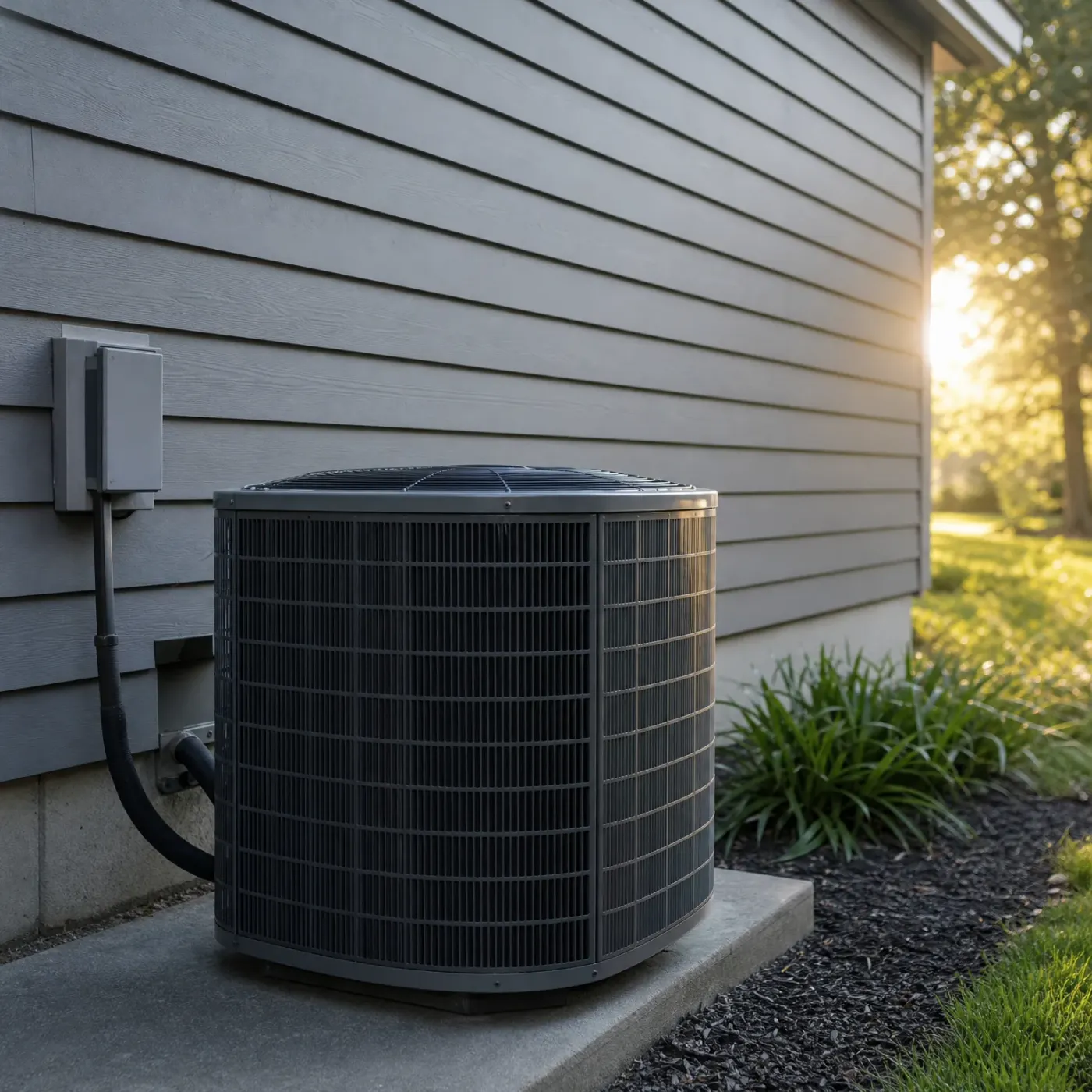
An outdoor air conditioner condenser unit on a concrete pad beside a gray horizontal-lap-sided house, with an electrical disconnect box and refrigerant line on the wall, grass, shrubs and a tree with low sun behind.

Hand off the search today

Send my request

The pro who reaches out is licensed in Minnesota.

Sending the form costs nothing.