

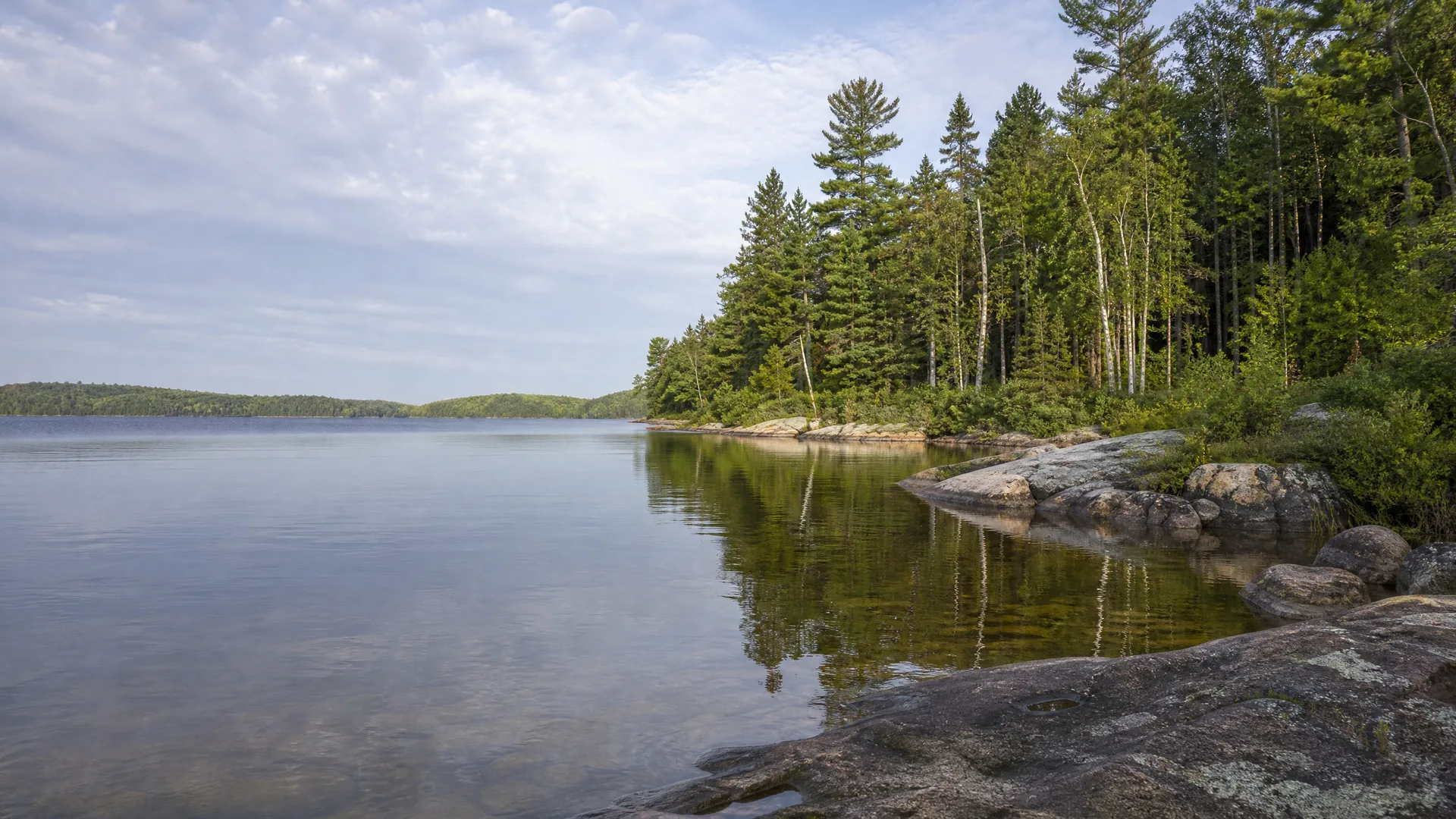
The setup that's keeping up
The outdoor unit sits clean on its pad, lines running neat to the disconnect box. It handles the house down to its switchover point, then steps back and lets the furnace take the cold snaps. Nothing's fighting to keep up.
A local installer who puts in heat pumps gets your project.
Find a pro near meA dual fuel heat pump is worth it in Minnesota, because your winters get cold enough that a heat pump alone can't carry the house. Below a certain outdoor temperature, usually somewhere in the teens or lower, a heat pump has to work harder and harder to pull heat out of the air, and at some point gas just does the job better and cheaper. Dual fuel means your system switches over to a gas furnace automatically when it gets that cold, then switches back to the heat pump once temperatures climb again. Since most homes here already heat with gas, that furnace is often already in place, which makes the setup less of a stretch. The heat pump still handles your summers and the milder stretches of spring and fall, and it takes over the coldest months when it would otherwise struggle on its own.





The system installed sets a temperature where control shifts from the heat pump to the gas furnace. Above that point, the heat pump runs on its own and moves heat from the outside air. Once the outdoor temperature drops below the setting, the furnace takes over and burns gas instead. You don't flip anything. A thermostat or an outdoor sensor makes the call, and the house keeps getting heat either way.

Most of your heating hours, even in a cold winter, happen above the switchover point, so the heat pump carries a good share of the season on its own. The furnace only takes over for the coldest stretches, the days when the heat pump would otherwise lean on electric resistance backup. Gas heats those days instead. Since most homes here already heat with gas, the furnace half of this setup isn't new equipment behavior, just a second source doing the job when it's cheaper.
You've probably noticed it already. On the coldest days the outdoor unit never seems to shut off, and the air coming out of the vents feels cooler than it did in October. That's the heat pump straining to pull warmth out of air that barely has any. If the system has no gas furnace to hand off to, it leans on electric resistance strips to close the gap, and those strips pull a lot of power. You'll see it on the bill before you see it anywhere else. Left alone through a Minnesota winter, that strain adds up: more wear on a unit that's already working past where it's efficient, and higher bills every month the cold holds on.
The thermostat calls for heat and signals the heat pump first.
The heat pump pulls warmth from the outside air into the house.
A sensor outside tracks the temperature and watches for the setpoint.
Below the setpoint, the system shuts the heat pump off.



Explain the job once and skip repeating it on every call.
Get in touch with a local installer about a new heat pump.
You're not committing to anything by asking.
It seems early to you. The outdoor unit shuts off and the furnace kicks on while it's still in the 30s or 40s outside, well before the deep cold you expected would be the trigger. You start to wonder if the system installed is set wrong, or if something about your dual fuel setup is working against you instead of for you.
The temperature where control hands off from the heat pump to the furnace isn't about when the heat pump stops working. It's set at the point where running the furnace on gas costs less than running the heat pump on power, given what you pay for each. In Minnesota, with gas common for heat and power priced about average, that crossover often lands somewhere in the 30s or 40s, not down near zero. The heat pump could keep pulling heat from outside air colder than that. The switchover point just means the furnace does it cheaper past that line. A contractor who knows your rates can check whether the point set for your system still matches them.



Minnesota summers don't put much moisture in the air. The dew point averages 59°F across June, July and August, according to NOAA climate data, which is low enough that the air rarely feels heavy. Your heat pump's outdoor coil isn't working against the humidity load that systems in muggier states deal with all summer. It pulls less moisture out of the air to keep the house comfortable, so it spends more of its summer runtime just moving heat rather than wringing water out of the air too. That's a smaller job for the same equipment, and it's part of why dual fuel setups here lean so hard on the furnace side for winter rather than the heat pump struggling both directions.
NASA POWER T2MDEW county cells weighted by homes


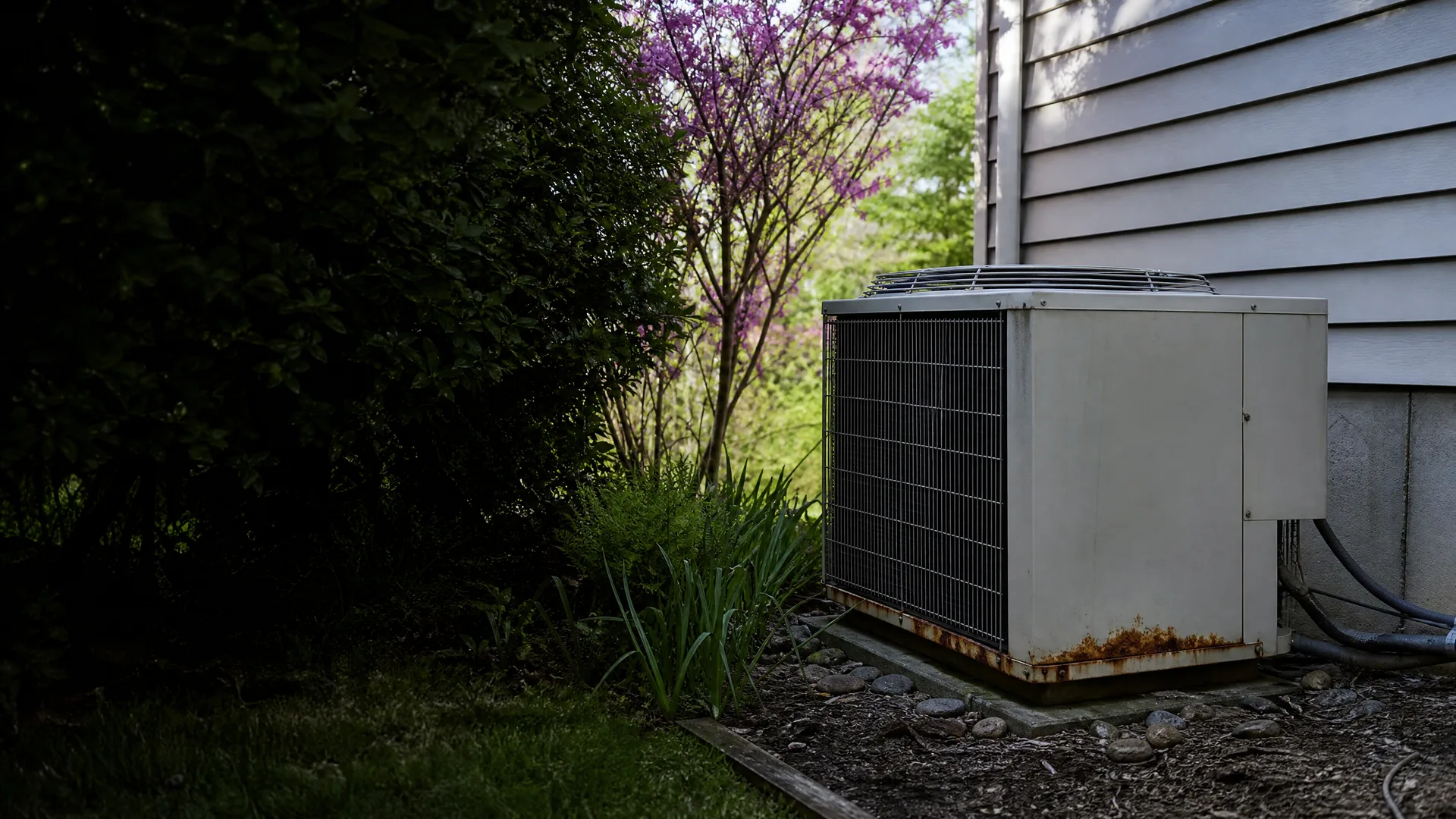
You're out in the side yard in April, coiling the garden hose, and the outdoor unit catches your eye. Rust along the base, worse than you remembered from fall. The panel seams have gone orange where the paint's worn through. It ran hard all winter, every cold snap, and it shows. You crouch down and run a thumb along the rust, feeling how far it's eaten in. Nothing's failed yet. But you make a note to ask about it when someone's out here for the spring checkup, before next winter asks this unit to do the same thing again.
At 15.83 cents per kilowatt-hour, every hour your heat pump leans on electric resistance backup instead of gas adds up fast on the bill. That's exactly the gap dual fuel is built to close, letting the furnace carry the coldest stretch instead.
EIA-861 2025 statewide residential average

The outdoor unit sits clean on its pad, lines running neat to the disconnect box. It handles the house down to its switchover point, then steps back and lets the furnace take the cold snaps. Nothing's fighting to keep up.

No backup to hand off to, this unit has to push through every cold snap by itself. The lines along the foundation and the weathering on the cabinet show the wear of a system that never gets a break from the hardest days.

In Minnesota, yes. Your winters get too cold for a heat pump to carry the house on its own, and gas picks up the load exactly when electric backup would cost the most to run. That's the whole case. The furnace isn't a failure of the heat pump, it's the other half of the system doing the job it was installed to do.
You don't have to work out where your house falls in all this on your own. Matching with a contractor who installs dual fuel systems in Minnesota means someone looks at your furnace, your ductwork, and your setup before any of this gets decided, then calls you with what they find. No sorting through quotes from contractors who've never seen your house, no explaining the same thing over and over to whoever picks up the phone.


A heat pump pro near you