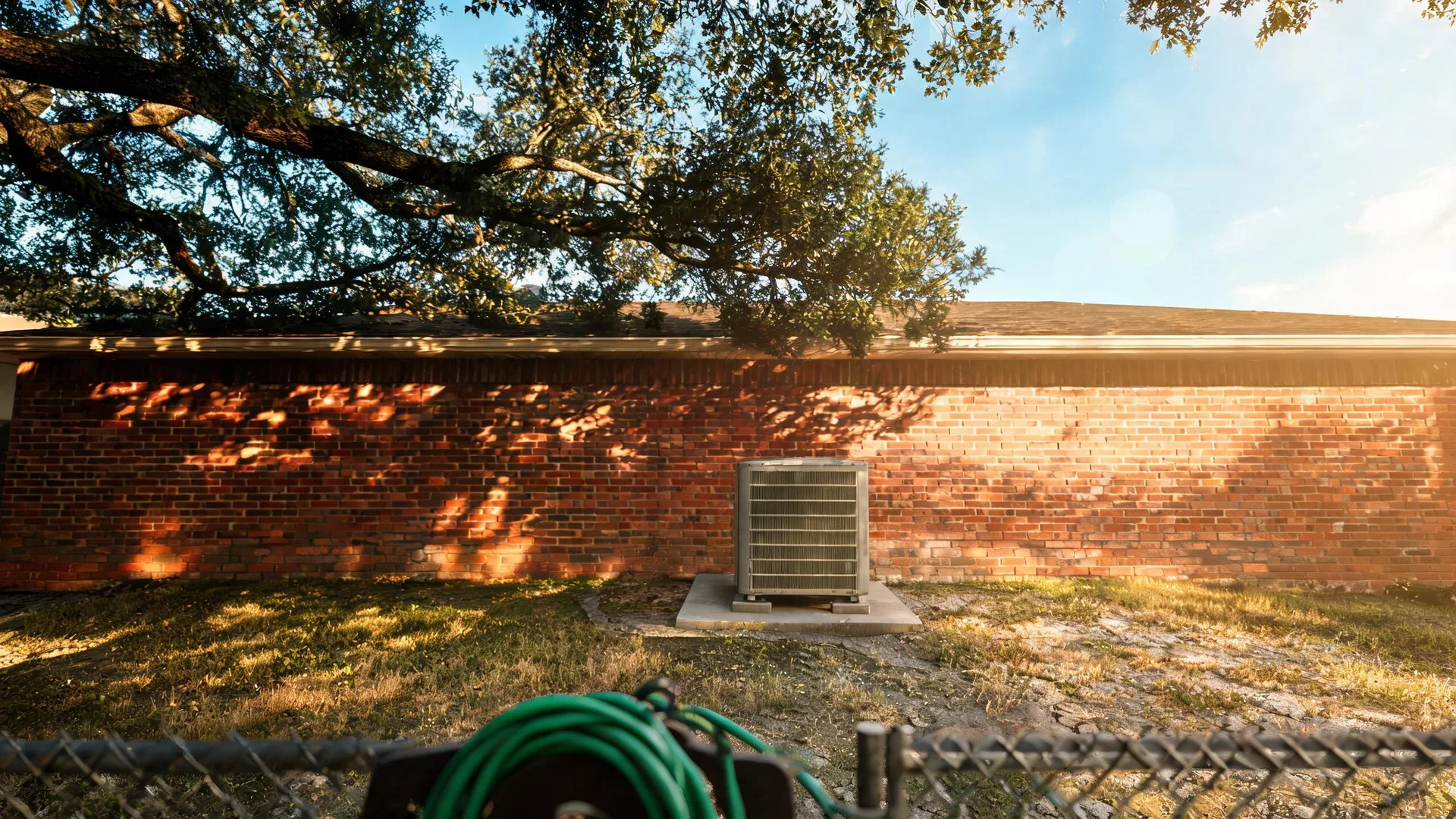
June starts the real work
Homes in Le Sueur County run cooling from June through August. Once June hits, your AC is running most days, and a weak capacitor or low charge shows up fast.
Takes about a minute. No obligation.
Homes in Le Sueur County run cooling from June through August. Once June hits, your AC is running most days, and a weak capacitor or low charge shows up fast.
Book the check in May, before that first hot stretch. A tech can catch a failing part while your system is still idle instead of after it has been running flat out.
NOAA nClimDiv, 1991–2020 normals
Three months of cooling a year and afternoon highs around 80 is light duty for a central AC system.
Your condenser isn't fighting triple digit heat for months here, so a yearly check before June catches a weak part before it fails on the first hot day.




Skip the yearly check and the first thing to go is usually the condenser coil. Dust and grass clippings settle on the fins over time, and once they're packed in, the coil can't shed heat the way it should. The system ends up working harder to do the same job, and that strain lands on the compressor eventually. A dirty filter causes a version of the same problem from the inside, starving the system of airflow until the evaporator coil gets cold enough to ice over. None of this announces itself. The AC still turns on, still blows air, right up until the day it doesn't.
It starts running hard in the first month of the season here. Book the check the month before.
Find a contractorAn AC that has run a long time without a check usually gives some warning. Warm air from the vents after it has been running a while is one sign. A system that short cycles, shutting off a few minutes after it starts instead of running a full cycle, is another. Listen for it too. A hum when the unit does not start, or a rattle that was not there before, often means a capacitor or motor mount is wearing out. Ice on the copper line running to the outdoor unit means airflow or refrigerant is off, not that the system is working harder than usual. Water pooling near the indoor unit points to a clogged condensate line, something a tech clears in minutes during a check but which can shut the whole system down if it backs up on its own. None of these mean the AC is finished. They mean it is due for a look before it stops on its own terms.
Keep plants and grass clippings back from the outdoor unit, a couple feet of open space on all sides. Inside, check the filter monthly and swap it when it looks gray. A blocked filter starves the system of airflow, and that's a problem no yearly check can prevent on its own since it builds up in between visits.
Don't open the outdoor unit's panel or touch the electrical disconnect. Refrigerant charge, amp draw, and the wiring inside are not something to check or adjust without training, and a homeowner poking at the contactor or capacitor can get hurt or knock something loose that was fine before.
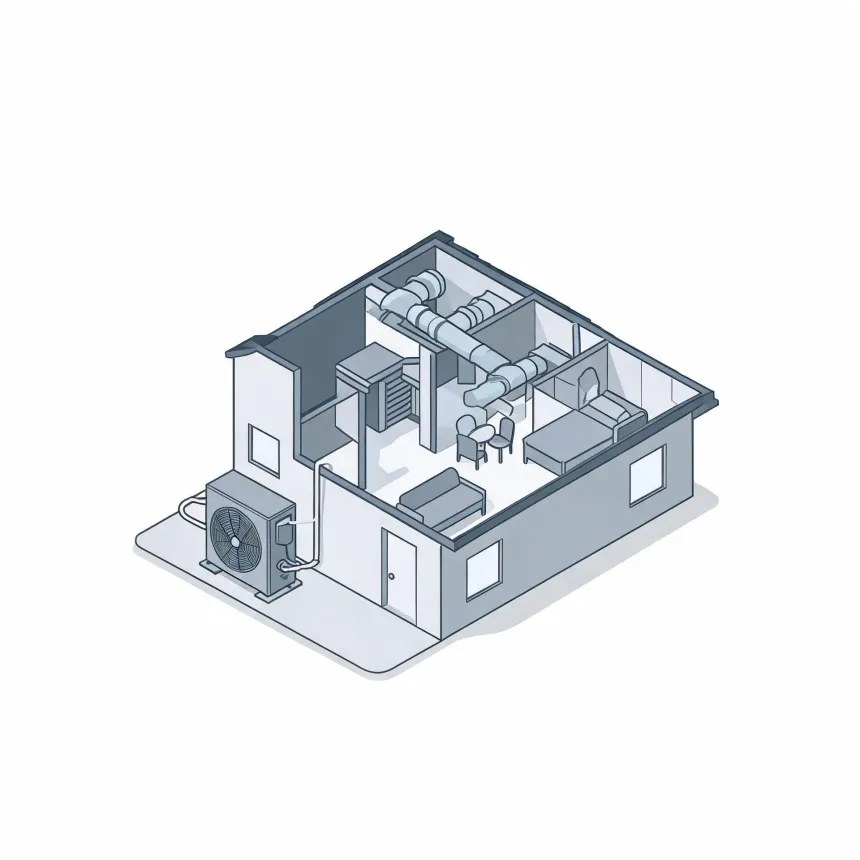
A tune-up checks the refrigerant charge, cleans the coils, tests the capacitor and tightens the electrical connections.
A tune-up starts outside, with the condenser coil washed clean of the dust and grass clippings that choke airflow, and the fins straightened where they've gotten bent. Inside, the blower wheel gets checked for the same kind of buildup, since a dirty wheel moves less air no matter how clean the filter is. The tech checks the contactor, the relay that switches the compressor on and off, since a pitted contactor can stick or fail to close. Electrical connections get tightened, because a loose connection builds resistance, and resistance builds heat. The condensate line gets flushed before it clogs on its own. None of this is guesswork. It's the same sequence every time, because the parts that fail are always the same parts.